What Is Lipedema?

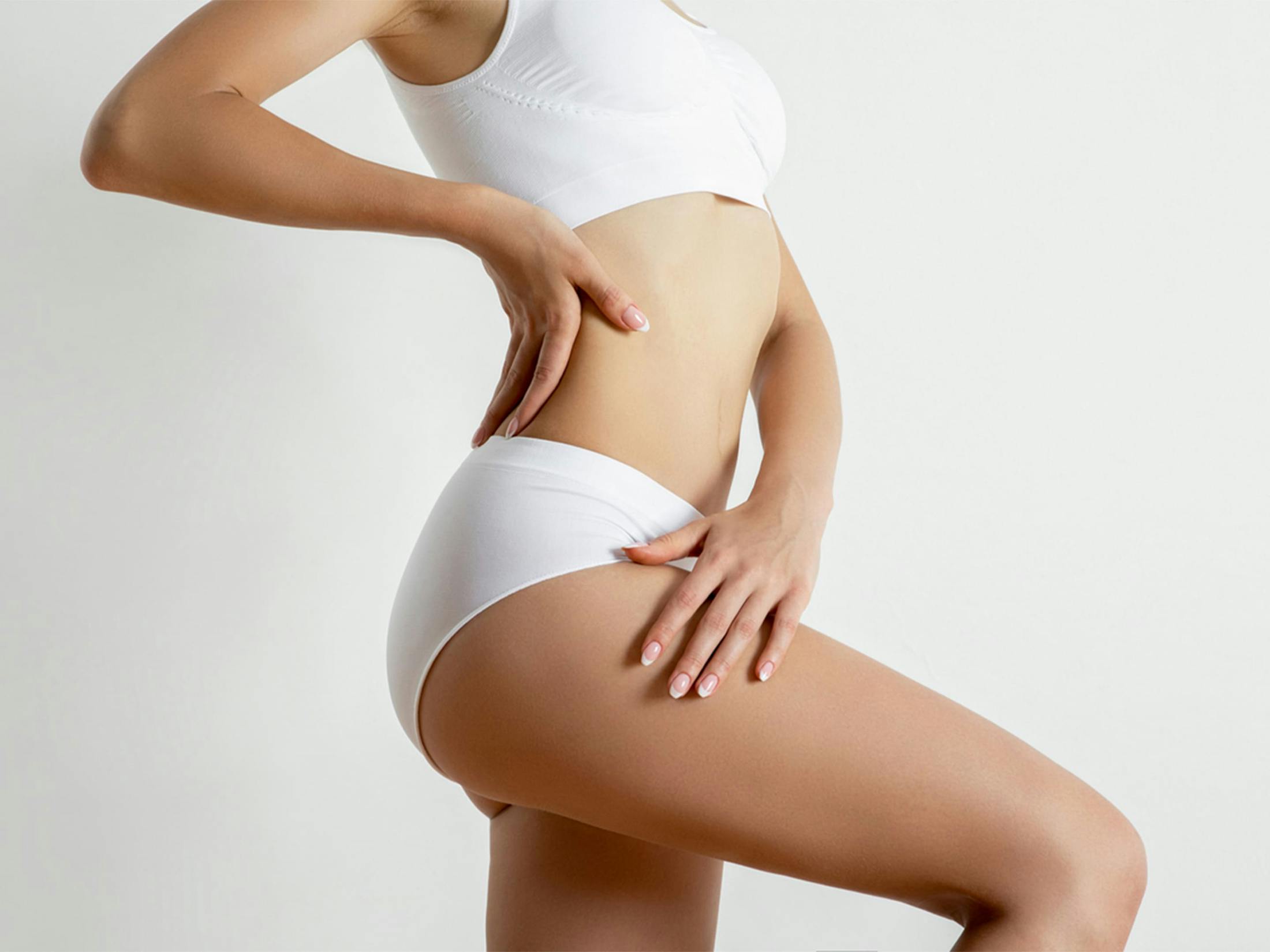
Lipedema is a progressive medical condition characterized by the abnormal buildup of fat, usually in the hips, thighs, buttocks, and sometimes the arms. Unlike ordinary weight gain, this fat distribution does not respond to diet or exercise and is often painful to the touch. Lipedema primarily affects women and can worsen over time if left untreated. Though the exact cause is unknown, hormonal changes such as puberty, pregnancy, or menopause often trigger the onset of lipedema. Early diagnosis and treatment, including lipedema surgery, are key to managing symptoms and preventing complications like mobility issues or lymphedema.

Meet Dr. Chegireddy

Jump nav media

On This Page:

Woman with her hand on her butt

What Are the Lipedema Symptoms?

Lipedema presents with a range of symptoms that set it apart from typical fat accumulation:

  • Symmetrical, bilateral fat buildup, especially in the lower body
  • Painful, tender areas in the affected limbs
  • Easy bruising without significant injury
  • A noticeable cuff or shelf of fat just above the ankles or wrists
  • Affected limbs may feel heavy or tight
  • Cold skin temperature in the fat-affected areas
  • Limited mobility or fatigue when standing or walking

What Are the Stages of Lipedema?

Lipedema progresses through four clinical stages:

  • Stage 1: Skin appears smooth, but underlying fat is thickened and tender. Swelling may increase throughout the day.
  • Stage 2: Skin begins to develop an irregular texture with indentations and nodules. Fat deposits become more pronounced and painful.
  • Stage 3: Large, uneven masses of fat form, often around the thighs and knees. Mobility may be limited, and lymphedema may develop.
  • Stage 4: Also known as lipolymphedema. This advanced stage involves severe swelling and fluid retention with compromised lymphatic function, requiring comprehensive management.

Lipedema surgery is often recommended in the earlier stages to reduce progression and restore comfort and confidence.

Banner media

Who Is a Good Candidate for Lipedema?

A good candidate for lipedema surgery is someone who experiences persistent, painful fat accumulation in the lower body—such as the hips, thighs, buttocks, or arms—that does not respond to diet or exercise and matches the clinical presentation of lipedema. Candidates often notice symptoms like symmetrical fat buildup, easy bruising, tenderness, a distinct “cuff” of fat near the ankles or wrists, and discomfort or heaviness in the affected areas. 

If these symptoms interfere with mobility, quality of life, or cause emotional distress, and are confirmed during a consultation with a board-certified plastic surgeon, you may be an ideal candidate for lipedema surgery in our Atlanta surgery center. We take a personalized approach to each patient, ensuring that your care plan aligns with your unique needs and goals for renewed comfort and confidence.

Schedule a Consultation

Contact Us
Contact us media

Benefits of Lipedema Surgery

Lipedema Surgery provides much more than cosmetic improvement—it’s a life-changing procedure that can dramatically improve your overall health, comfort, and confidence. Many patients report significant physical and emotional relief after lipedema treatment. Some of the key benefits of Lipedema Surgery include:

  • Pain Reduction: One of the most immediate effects of Lipedema Surgery is a noticeable decrease in pain, tenderness, and heaviness in the legs.
  • Improved Mobility: As excess fat is removed from the lower body, patients often regain ease of movement and a more active lifestyle.
  • Enhanced Self-Esteem: The emotional burden of lipedema can be overwhelming. Surgery can restore body proportions and boost confidence.
  • Better Quality of Life: From improved sleep to better posture and reduced fatigue, many areas of daily life are positively impacted.
  • Prevention of Disease Progression: When performed in the earlier stages, Lipedema Surgery may help prevent worsening symptoms or complications such as lipo-lymphedema.

Patients often describe the outcome as transformational, not only physically but mentally and emotionally as well. At our plastic surgery practice, we’re here to help you reclaim your comfort and confidence through expert care and surgical treatment precision. Meet Dr. Chegireddy

Lipedema Surgery Treatment Options at Aesthera

At Aesthera Plastic Surgery, we approach Lipedema Surgery with both precision and compassion. Our skilled team uses advanced tools and refined techniques designed to protect the surrounding tissues and lymphatic structures—critical when treating a condition like lipedema. Every procedure is tailored to the individual, ensuring safe, personalized care from consultation through recovery. Whether you’re looking to improve mobility, reduce pain, or feel more at ease in your body, we are here to support your journey toward relief and renewed confidence.

Liposuction

The most common method used for Lipedema Surgery is liposuction. During the procedure, Dr. CV Chegireddy makes a small incision in the selected area and uses a slender, specialized instrument called a cannula to gently remove excess fat from beneath the skin. This process helps relieve pressure and discomfort while refining the body’s natural contours, leading to a more balanced and comfortable silhouette.

Staged Procedures

Because lipedema often affects multiple areas of the body, Lipedema Surgery may be performed in multiple stages. This allows for careful, thorough fat removal and optimal healing between procedures. Our team will work closely with you to plan a timeline that supports both safety and optimal outcomes.

Post-Surgical Support and Compression Therapy

After surgery, lipedema patients are typically advised to wear compression garments and may benefit from manual lymphatic drainage or massage therapy to promote healing and reduce swelling. We provide comprehensive guidance and ongoing support throughout your recovery process.

Background media

Lipedema Recovery

Recovery after lipedema surgery is a gradual process focused on your comfort and best results. After the procedure, you will wear compression garments to help reduce swelling and support healing. Most patients can return to light activities within one to two weeks, although some swelling and bruising are normal and should improve with time. Carefully following post-operative instructions, including attending follow-up appointments and wearing your compression garments as directed, is essential. Over the following weeks, you can expect continued improvement in mobility, comfort, and your body’s shape, helping you get back to daily life with greater ease and renewed confidence.

Woman holding her hip

Cost of Lipedema Surgery

The cost of lipedema surgery depends on your individual treatment plan and insurance coverage. Aesthera provides lipedema surgery services through insurance only and does not offer self-pay pricing or financing options for these procedures. Our team can help guide you through the process and answer any questions regarding insurance coverage.

Experience Aesthera

If you’re struggling with the physical and emotional toll of lipedema, Aesthera Plastic Surgery is here to help. Schedule your consultation today and learn how lipedema surgery can transform not just your body—but your quality of life. Schedule Consultation

Banner media

Lipedema Surgery Atlanta Frequently Asked Questions

Am I a candidate for lipedema surgery?

If you have been diagnosed with lipedema by a qualified healthcare provider, such as a vein specialist or vascular physician, you may be a candidate for surgery. A consultation with our team will help determine if surgery is appropriate for your individual needs.

Is lipedema surgery performed under general anesthesia?

Yes. At Aesthera, lipedema surgery is always performed under general anesthesia to help ensure patient comfort and safety throughout the procedure.

Does Aesthera Plastic Surgery perform high-volume liposuction for lipedema?

Yes, we offer high-volume liposuction for lipedema patients when clinically appropriate. This typically involves removing more than five liters of fat and is performed in a hospital setting to ensure optimal safety, monitoring, and post-operative care.

Does Aesthera have BMI limits for lipedema surgery?

Yes. To help ensure patient safety and optimal surgical outcomes, Aesthera requires patients to have a BMI of 35 or below to be considered for lipedema surgery. We understand that lipedema can present unique challenges and are happy to discuss your individual needs during a consultation.

How long is the recovery after lipedema surgery?

Most patients can resume light activities within 1–2 weeks. Full recovery varies based on the number of areas treated, but compression garments, lymphatic massage, and post-op care are essential for optimal results.

Can lipedema return after surgery?

Lipedema surgery removes the diseased fat cells permanently; however, hormonal changes or weight gain can cause remaining fat cells to expand. Maintaining a healthy lifestyle post-surgery helps prolong results.

Will insurance cover lipedema surgery?

In some cases, yes. If lipedema significantly impacts your quality of life and function, insurance may provide partial or full coverage. Our team can assist with documentation and pre-authorization requests.

What options are available to treat lipedema and relieve physical discomfort associated with this fat distribution disorder?

Lipedema is a fat distribution disorder characterized by the buildup of fatty tissue, commonly known as lipedema fat, in the legs and arms. This can cause significant physical discomfort and may not improve with traditional weight loss methods. Non-surgical treatments to treat lipedema focus on symptom management and can include compression therapies, manual lymphatic drainage, physical therapy, and healthy lifestyle habits. When these approaches are not sufficient, surgical intervention, most often specialized liposuction targeting fat, may be recommended to remove excess fat tissue and improve comfort and mobility.

How do different types of liposuction help in managing lipedema, and what should I know about their effects on well-being and the lymphatic system?

Managing lipedema involves removing the abnormal accumulation of fat that causes discomfort and affects mobility. Tumescent liposuction is considered safe and effective for lipedema patients, as it targets fatty tissue while preserving the lymphatic system. Power-assisted liposuction and water-assisted liposuction are both advanced approaches that use specialized techniques to remove lipedema fat more gently and efficiently than traditional liposuction, resulting in less trauma to surrounding tissues and better long-term well-being. Unlike traditional liposuction, these methods are specifically chosen for lipedema to improve patient safety and comfort. Your surgeon can recommend the most suitable technique based on your unique condition and goals.

Accessibility: If you are vision-impaired or have some other impairment covered by the Americans with Disabilities Act or a similar law, and you wish to discuss potential accommodations related to using this website, please contact our Accessibility Manager at (404) 446-0044 .
Contact Us