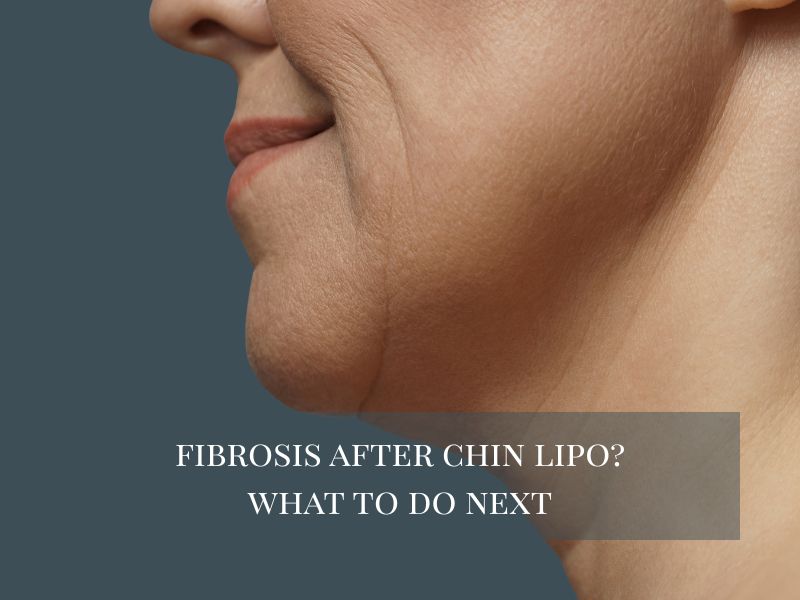
If you are worried about fibrosis after chin lipo surgery, you are not alone. Many patients notice firmness, uneven texture, or hard areas under the skin weeks after a chin liposuction and wonder if something went wrong or if it will become permanent. The most common question patients ask is what to do next when fibrosis appears and how to handle it correctly.
This is where online information can be confusing or even misleading. Fibrosis is common after a liposuction procedure, but how it develops, how long it lasts, and how it should be treated can vary widely from patient to patient. According to Dr. CV, understanding these differences is essential, because fibrosis does not follow a single timeline or solution for everyone. Recognizing what is normal versus what needs medical attention is key to protecting your results and supporting long-term healing and recovery.
What Is Fibrosis After Chin Lipo?
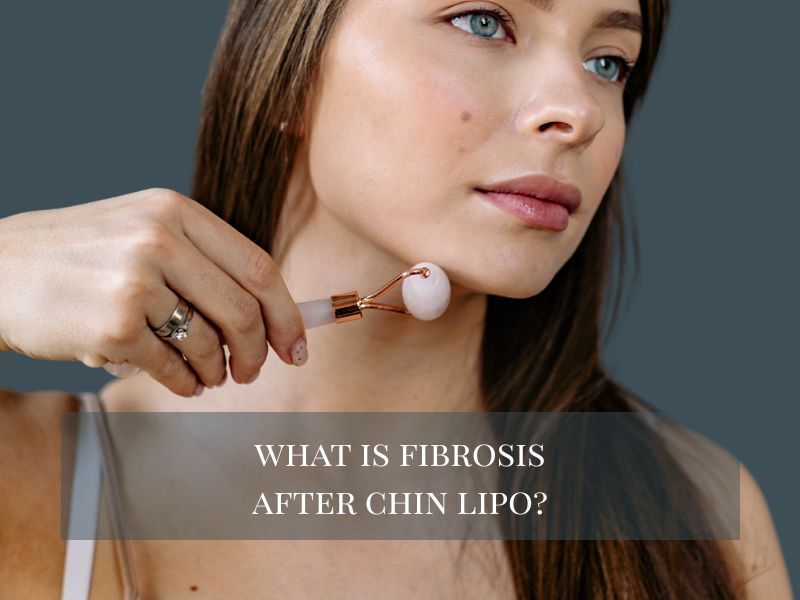
Fibrosis refers to the thickening or hardening of tissues that can occur as part of the body’s natural healing process after surgery. After chin liposuction, fibrosis happens when scar tissue formation develops beneath the skin in the treated areas.
In clinical practice, surgeons often explain fibrosis as the body’s response to surgical trauma. During a lipo procedure, small cannulas move through fat layers to remove fat. This process triggers inflammation, and the body responds by producing collagen to heal. When collagen production becomes excessive or uneven, lipo fibrosis can develop.
Important points to understand:
- fibrosis after chin lipo is not the same as a visible scar on the skin
- It usually affects deeper layers of fat and connective tissue
- Mild fibrosis is part of normal healing, while excessive fibrosis is not
For many patients, fibrosis improves over weeks to months with proper care. However, in severe cases, it may require targeted treatments.
Causes and Risk for Fibrosis
There is no single cause of post lipo fibrosis. Instead, it usually develops due to a combination of several risk factors related to the patient, the procedure, and the recovery phase.
Common risk factors include:
- The extent of the liposuction and how much fat was removed
- A history of scar tissue or abnormal healing
- High levels of post-surgical swelling and inflammation
- Skipping recommended compression garments
- Limited movement or poor circulation during early recovery
Surgeons often see developing fibrosis when patients resume activity too early or, on the opposite end, avoid movement completely. Both extremes can worsen fibrosis by interfering with proper fluid drainage and tissue remodeling.
Another important point: a new lipo procedure performed in an area that has already undergone lipo surgery carries a higher risk of fibrosis due to existing scar tissue and altered blood flow.
Symptoms of Post-Lipo Fibrosis
The symptoms of fibrosis can look different depending on how advanced it is and which affected areas are involved.
Common signs include:
- Hard lumps under the skin
- A firm or thick feeling in the chin or jawline
- A pulling sensation when turning the head
- Uneven texture or visible tightness
- Mild to moderate pain or discomfort
In the first few weeks, it can be difficult to tell normal healing apart from fibrosis. Some firmness is expected as the body heals. However, more fibrosis is suspected when firmness increases instead of slowly improving.
This is where online advice can be misleading. Many sources claim that “all lumps are normal.” In reality, surgeons monitor whether firmness softens over time. Persistent or worsening hardness may need treating fibrosis sooner rather than later.
How to Avoid Fibrosis After Chin Lipo
Preventing fibrosis starts immediately after the surgical procedure, not weeks later. While fibrosis cannot always be avoided, the severity can often be reduced.
Key strategies include:
- Wearing compression garments as directed to control swelling and bruising
- Starting gentle movement to improve circulation
- Following your surgeon’s post-op instructions carefully
- Supporting your body with proper nutrition and hydration
Surgeons emphasize that proper healing depends on balance. Too much pressure, aggressive massage, or self-treatment can cause more inflammation and actually develop additional scar tissue formation.
This is especially important for patients who assume “more massage is better.” Overdoing it too early can lead to more fibrosis, not less.
How to Get Rid of Fibrosis After Chin Lipo
When fibrosis does develop, the goal becomes fibrosis reduction and restoring smooth tissue texture. The right approach depends on how early the fibrosis is identified.
Self-Care and Early Interventions
For mild cases, self care can be very effective:
- Gentle massage to improve blood flow
- Light stretching to reduce tightness
- Adequate rest to support the recovery process
- Staying hydrated to help flush toxins
Many surgeons recommend waiting before starting aggressive techniques. Early massage should be light and guided by professional advice.
Professional Treatments for Fibrosis
For patients who do not respond to basic care, professional treatments may be recommended. These include:
- Manual lymphatic drainage
- Lymphatic drainage massage or lymphatic massage therapy
- Ultrasound therapy to soften fibrotic tissue
- Light therapy to help reduce inflammation
These fibrosis reduction treatments work by improving circulation, reducing fluid buildup, and encouraging healthier tissue remodeling.
In some cases, steroid injections may be used to reduce inflammation and soften dense scar tissue. This option is typically reserved for more stubborn or severe cases.
Scar Reduction
Although fibrosis is not a surface scar, scar reduction strategies still matter. Managing internal scar tissue formation helps improve contour and comfort.
Approaches may include:
- Ongoing lymphatic drainage to prevent fluid trapping
- Nutritional support, including vitamins that support healing
- Avoiding smoking, which restricts blood flow
- Monitoring collagen activity during the healing phase
Surgeons stress that scar management is a long-term process. Results often continue to improve months after liposuction surgery when tissues are allowed to remodel naturally.
Minimizing the Risk of Fibrosis
Minimizing risk involves teamwork between the patient and the surgeon. Even the best surgical technique cannot fully override poor post-op habits.
Key points for minimizing risk:
- Attend all follow-up appointments
- Report unusual symptoms early
- Avoid comparing your recovery to others
- Understand that healing timelines differ from one body to another
One common misconception is that fibrosis means the procedure failed. In reality, surgeons often see excellent final results once fibrosis is properly managed.
Another oversimplification is the belief that fibrosis only happens due to surgeon error. While technique matters, patient biology, prior surgery, and post-op care play major roles.
When You See a Doctor
You should contact your surgeon if:
- Hardness worsens after the initial weeks
- Pain increases instead of improving
- Skin changes or restricted movement develop
- Home care does not improve symptoms
In severe cases, additional treatment options such as surgical revision may be discussed. This is uncommon but may be appropriate when fibrosis significantly alters contour or comfort.
In clinical practice, early evaluation leads to better outcomes and fewer long-term complications.
FAQ: Fibrosis After Chin Lipo Treatment
Is fibrosis after chin lipo permanent?
In most patients, fibrosis after chin lipo is temporary and improves with time and proper care. Persistent fibrosis may require targeted treatments such as manual lymphatic drainage or ultrasound therapy.
How long does post lipo fibrosis last?
The healing and recovery process varies. Mild fibrosis often softens within a few months, while more advanced cases can take longer depending on risk factors and adherence to care instructions.
Can massage reduce fibrosis?
Yes, when done correctly. Gentle massage and lymphatic drainage massage can help reduce fibrosis, but aggressive massage too early can worsen fibrosis.
Does everyone get lipo fibrosis?
No. While many patients experience some firmness, not all develop noticeable lipo fibrosis. Patient biology, surgical procedure, and recovery habits all influence risk.
When are steroid injections used?
Steroid injections are usually reserved for severe cases where fibrosis does not respond to conservative fibrosis reduction treatments. They should always be performed under medical supervision.
Schedule a Chin Liposuction Consultation
If you are concerned about fibrosis or recovery after chin liposuction, the best next step is a personalized evaluation to discuss everything including costs.
At Aesthera Plastic Surgery, consultations are designed to review your healing progress, identify whether fibrosis is part of a normal recovery pattern, and discuss the most appropriate treatment options for your specific case. Scheduling a visit allows the care team to assess your results, answer your questions clearly, and guide you toward the safest path for proper healing and long-term outcomes.