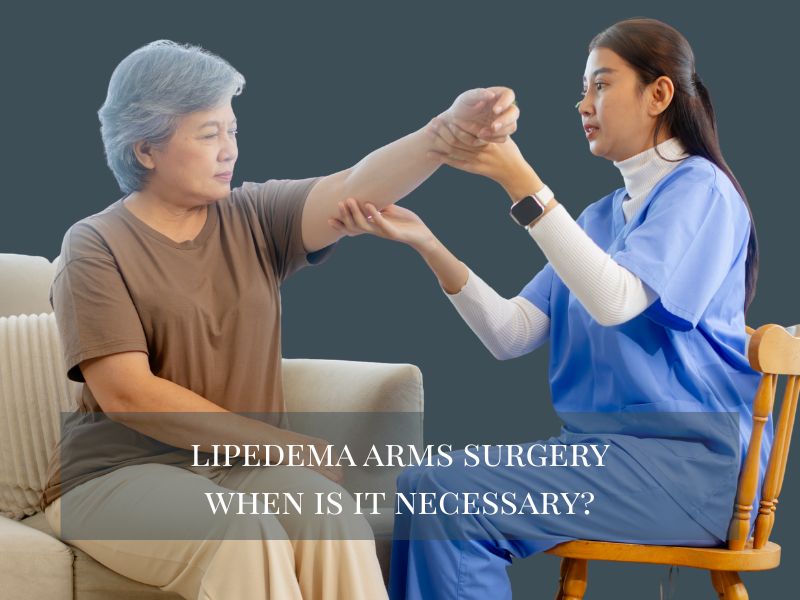
Lipedema Arms Surgery becomes part of the conversation when ongoing care is no longer enough to control symptoms. For many women living with lipedema, changes in the upper arms are not only about how they look. They reflect a deeper chronic fat distribution disorder that tends to progress over time if left untreated.
When deciding whether lipedema arms surgery is necessary, the real question is this: are conservative measures still helping, or is the condition continuing to affect your comfort, movement, and overall quality of life? The answer is different for every patient. A thorough evaluation with Dr. CV Chegireddy can help determine whether continued non-surgical care is appropriate or if surgery is the next logical step based on your symptoms, disease stage, and overall health.
Recognize Lipedema: Arm Lipedema Symptoms And Signs
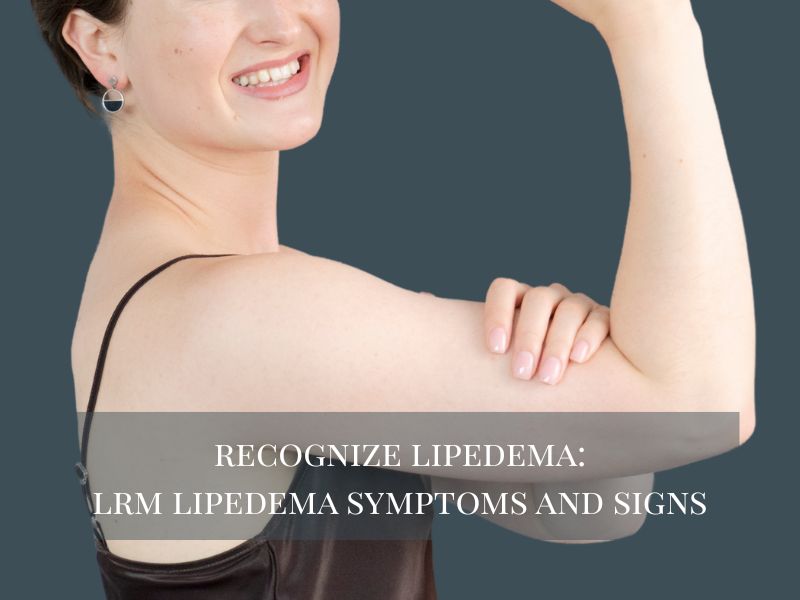
Early diagnosis can change the course of care. The sooner you recognize lipedema, the easier it is to build an effective strategy.
In the arms, common lipedema symptoms include:
- A symmetrical increase in both arms
- Thick, sometimes lumpy fatty tissue beneath the skin
- Easy bruising
- Tenderness or sensitivity
- Heaviness in the upper body
- Persistent visible swelling that does not improve with diet and exercise
Unlike standard weight gain, this involves an abnormal accumulation of fat cells in specific affected areas, especially the upper arms, and often the upper legs or lower body as well.
Many lipedema patients describe a frustrating pattern:
- Their body mass index may be normal or only slightly elevated.
- They maintain regular exercise, yet arm size does not change.
- Patients report pain when pressure is applied, even lightly.
As the condition advances, pressure on the lymphatic vessels may interfere with lymphatic drainage. In some cases, this leads to secondary lymphedema, which brings additional swelling and firmness.
Lipedema Fat: Causes And Tissue Characteristics
Lipedema is recognized as a chronic condition, and more specifically, a chronic fat distribution disorder. Although research is ongoing, many specialists believe hormonal changes are a major trigger. Lipedema almost exclusively affects women and is believed to be linked to hormonal shifts, often appearing during puberty, pregnancy, or menopause. Symptoms commonly begin during puberty, pregnancy, or menopause.
The difference between typical weight gain and lipedema fat is important. Lipedema involves excess fat that is fibrotic, densely packed, and requires specialized techniques for safe removal. This type of fat:
- Does not respond to diet and exercise
- Forms nodules within the fatty tissue
- Causes disproportion between the arms and the rest of the body
Lipedema fat is resistant to diet and exercise, which can lead to pain, swelling, and mobility issues if left untreated.
For many patients suffering from arm lipedema, traditional fat removal approaches through weight loss simply do not work. That reality can feel discouraging. This is why treating lipedema requires a tailored approach.
As the condition progresses, abnormal fat buildup may become more fibrotic. This can place strain on the lymphatic channels, increasing pressure and discomfort in the affected areas.
Holistic Approach To Treat Lipedema Non-Surgically
Before discussing lipedema surgery, conservative management is typically the first step.
A structured lipedema treatment plan may include:
- Manual lymphatic drainage
- Compression sleeves or compression garments
- Anti-inflammatory nutrition
- Targeted regular exercise
- Weight stability and overall health optimization
These measures help:
- Support lymphatic drainage
- Reduce swelling
- Improve comfort
- Alleviate symptoms
However, there is an important distinction here. Non-surgical care can manage symptoms, but it cannot eliminate abnormal fat cells.
For some patients, these tools provide enough stability. Others reach a point where, despite consistency, symptoms continue. When pain persists or arm function declines, further steps may be appropriate.
When To Consider Lipedema Surgery For Arms
Not every person with arm involvement needs surgery. Timing depends on how the condition behaves and how it affects daily living.
Lipedema arms surgery may be considered when:
- Conservative treatment has been followed consistently without sufficient relief
- Arm size interferes with daily activities
- Patients experience ongoing pain
- Skin irritation or inflammation becomes frequent
- Early signs of secondary lymphedema appear
In certain situations, emotional distress plays a role as well. While cosmetic concerns may be present, most individuals are seeking relief from heaviness and discomfort.
Eligibility also depends on:
- Stable body mass index
- Good overall health
- Realistic expectations
A qualified, board certified plastic surgeon will assess staging, tissue characteristics, and lymphatic safety before recommending surgical treatment.
Lipedema Liposuction Options And Liposuction Procedure Overview
The most established surgical approach for arms is specialized lipedema liposuction.
This is not the same as cosmetic liposuction. The intent is medical. The goal is controlled surgical removal of diseased tissue while preserving lymphatic vessels. A multi-stage approach and tailored techniques are often necessary to achieve optimal results for lipedema patients.
During liposuction procedures for lipedema:
- Small incisions are made
- Fluid containing local anesthetic is introduced
- Gentle cannulas are used to perform liposuction
- The surgeon carefully remove fat from targeted zones
Liposuction is a highly successful procedure for eliminating extra fat associated with lipedema.
Because lipedema tissue differs from typical fat, specialized techniques are used. This form of arm liposuction aims to remove abnormal deposits while minimizing trauma.
The objective is meaningful symptom improvement, not simply reshaping the body. Liposuction for lipedema treatment is a therapeutic procedure that requires specialized techniques to protect lymphatic vessels.
Techniques, Staging, And Specifics Of The Liposuction Procedure
Technique selection depends on stage and tissue quality.
Options may include:
- Tumescent methods
- Power assisted liposuction
- Water-assisted approaches
Earlier stages may involve softer tissue. Advanced stages often include fibrosis, which makes fat removal more complex.
Some patients require only one procedure. Others may need staged sessions to safely limit blood loss, swelling, and stress on the lymphatic channels.
Surgeons must balance:
- Total fat removed
- Lymphatic protection
- Recovery time
The focus remains on achieving safe and functional outcomes while working toward optimal results.
Anesthesia Choices: Local Anesthesia Versus General Anesthesia
Anesthesia planning depends on the extent of surgery.
For smaller areas:
- Local anesthesia with sedation may be appropriate
- Tumescent solution provides additional local anesthetic effect
For extensive fat removal:
- General anesthesia may be safer and more comfortable
Individual factors, including medical history and overall fitness, guide this choice. Some medical conditions may shift the approach. Personal safety always comes first.
Procedure Day Expectations For Arm Liposuction
On surgery day, there is usually a final review before entering the operating room.
If general anesthesia is planned, fasting is required. Markings are placed on the arms to guide the procedure.
After surgery:
- Arms are placed in compression garments
- Temporary swelling and drainage are expected
- Mild soreness is common
In the first few days, tightness of the skin and moderate discomfort are typical. This gradually improves over one to two weeks.
Lipedema Treatment: Recovery, Aftercare, And Long-Term Management
Healing after lipedema arms surgery is not immediate. It unfolds in stages.
During the first several weeks, patients commonly notice:
- Swelling
- Bruising
- Firmness
- Sensitivity
Detailed wound care instructions are important to follow.
Compression plays a central role. Wearing compression garments:
- Helps manage swelling
- Supports lymphatic drainage
- Encourages smoother contour
Many surgeons advise ongoing manual lymphatic drainage, especially in early healing.
Around 6–8 weeks, most swelling begins to settle. By three to six months, contour changes are clearer. Long-term stability depends on maintaining healthy routines and monitoring for any signs of lymphedema.
Surgery removes diseased tissue, but it does not erase the underlying tendency of this chronic condition. Ongoing management remains part of care.
Risks, Complications, And Risk-Reduction Strategies
All liposuction procedures carry potential risks.
These may include:
- Infection
- Fluid buildup
- Contour irregularities
- Numbness
- Rare injury to lymphatic vessels
Advanced disease or large-volume removal increases complexity. The chance of secondary lymphedema is higher if lymphatic systems are already compromised.
Risk varies according to:
- Disease stage
- Surgical volume
- Surgeon experience
- Patient overall health
Choosing a skilled, board certified plastic surgeon familiar with treating lipedema reduces risk. Careful follow-up and consistent compression are equally important.
Most patients, when properly selected, see reduced pain, improved arm function, and better daily comfort.
Lipedema Arms Surgery Cost
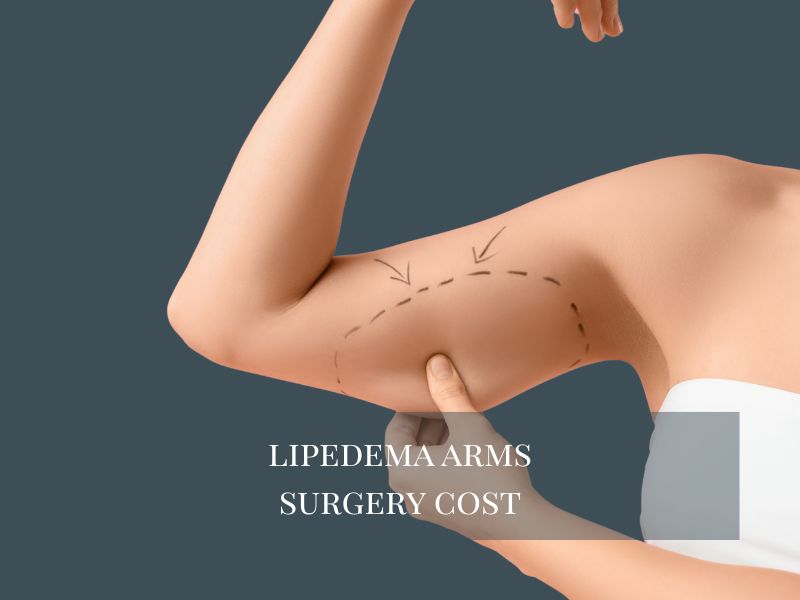
Lipedema Costs vary depending on individual needs.
Contributing factors include:
- Geographic region
- Facility and anesthesia fees
- Number of sessions
- Extent of fat removal
In certain regions, lipedema surgery may qualify as medically necessary if documentation confirms failed conservative treatment options, persistent pain, and functional limitation.
Insurance coverage differs widely.
Because this is a progressive chronic condition, some individuals choose staged procedures to manage financial planning and recovery.
A detailed consultation remains the only reliable way to estimate cost and scope.
Frequently Asked Questions: Lipedema Arms Surgery
Is lipedema arms surgery the same as cosmetic liposuction?
No. Lipedema arms surgery focuses on medical surgical removal of diseased fat cells. Unlike cosmetic liposuction, the aim is to relieve symptoms and protect lymphatic vessels, not simply reshape the arms.
Can diet and exercise cure arm lipedema?
No. While diet and exercise improve general wellness and may support lymphatic drainage, they do not eliminate lipedema fat or the underlying abnormal fat buildup seen in this chronic condition.
Will surgery completely cure lipedema?
Surgery does not cure lipedema, but it can significantly reduce symptoms. Removing abnormal fatty tissue often helps alleviate pain and improve quality of life, especially in patients who have not responded to conservative care.
How long does recovery take after arm liposuction for lipedema?
Most patients resume light activities within one to two weeks. Noticeable swelling may persist for several weeks, and full contour refinement can take a few months as the skin adjusts.
Who is a good candidate for lipedema surgery?
Strong candidates are lipedema patients with persistent symptoms despite structured lipedema treatment, stable body mass index, and good overall health. A full evaluation of medical history and current condition is essential before proceeding.
Schedule Your Lipedema Surgery Consultation Today
If arm heaviness, swelling, or persistent pain from lipedema is affecting your daily life, it may be time to explore lipedame surgery. At Aesthera Plastic Surgery by Dr. CV Chegireddy, each treatment plan is carefully customized based on your symptoms, exam findings, and long-term goals. During your consultation, we review your medical history, evaluate the affected areas, and discuss realistic outcomes.
Schedule your consultation today to learn whether lipedama surgery is the right next step for you.