
An upper lip lift is a cosmetic surgery option offered by Dr. CV at Aesthera Plastic Surgery for patients who feel their upper lip looks long, thin, or lacks definition. This facial procedure focuses on improving the proportion between the nose, lips, and mouth to enhance overall facial balance. Unlike temporary treatments, a lip lift addresses the structure of the upper lip to provide long-lasting improvement.
A lip lift can be especially helpful for patients who are unhappy with lip fillers, concerned about drooping lips, or want better upper tooth show without adding bulk or creating an overfilled look.
Introduction to Upper Lip Lift Surgery
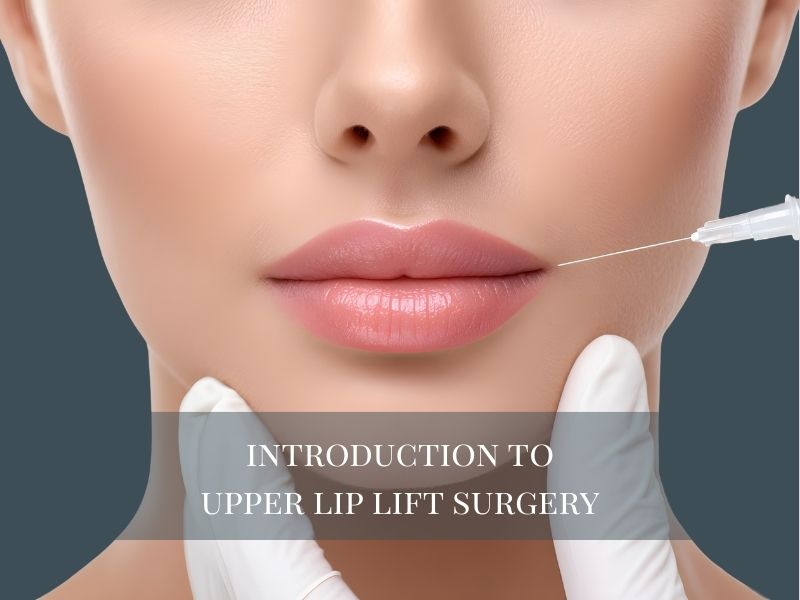
A lip lift is a facial plastic surgery procedure that aims to enhance the appearance of the upper lip by shortening the distance between the nose and the mouth. As we age, the upper lip lengthens, which can hide the upper teeth and reduce lip volume, making the face look tired or older.
The lip lift procedure helps restore a more youthful smile by improving tooth show, creating more definition in the cupid’s bow, and enhancing overall facial features. Many patients choose lip lift surgery as part of broader facial rejuvenation procedures to improve harmony and proportion.
There are several types of lip lift procedures, including the subnasal lip lift and the bullhorn lip lift, each designed to address different concerns. Lip lift surgery may also be combined with other procedures such as neck surgery, eyelid surgery, or facial plastic and reconstructive surgery.
The goal of a lip lift is natural looking results that improve proportion, shape, and confidence—without the “duck lips” effect sometimes associated with filler injections.
Candidate For a Lip Lift
Not everyone is automatically a good candidate for a lip lift, which is why consultation with a board certified plastic surgeon is essential.
You may be a good candidate for a lip lift if you:
- Have a long upper lip or reduced upper tooth show
- Feel lip fillers no longer give natural results
- Want fuller lips without adding volume through injections
- Notice drooping lips or loss of definition with age
A good candidate for a lip lift is generally in good physical and mental health, does not smoke, and has realistic expectations. Skin quality, facial structure, nose shape, and mouth position all play an important role in determining suitability.
During your consultation, a board certified plastic surgeon will evaluate whether you are a candidate for a lip based on facial balance, skin elasticity, and overall goals. Many patients seeking facial rejuvenation procedures find that a lip lift provides subtle yet powerful improvement.
Upper Lip Lift Before and After: Procedure Overview
The lip lift procedure is usually straightforward and efficient. Most patients are surprised by how quick the surgery is.
Key points of the procedure include:
- The surgery takes about an hour
- It is commonly done under local anesthesia using a local anesthetic
- The surgeon makes a small incision beneath the nose
- Excess skin is removed to lift the upper lip
The surgeon makes the incision along a natural crease under the nose to reduce noticeable scarring. Tiny sutures are used to close the incision, helping the area heal cleanly and discreetly.
The subnasal lip lift shortens the distance between the nose and the upper lip, improving tooth show and lip shape. The surgeon carefully reshapes the area to maintain harmony with the lower lips, mouth, and nose.
This plastic surgery procedure may also be performed alongside other procedures such as lip augmentation, facial procedures, or neck surgery depending on patient goals.
Preparation and Planning
Preparing properly for lip lift surgery is essential for safety and optimal results.
Before surgery, most patients are advised to:
- Stop smoking several weeks before and after surgery
- Avoid blood-thinning medications and supplements
- Attend a pre-operative consultation and planning session
Your plastic surgeon will review your medical history, explain the procedure step by step, and discuss expected lip lift results. Clear communication helps ensure your expectations align with achievable outcomes.
Being emotionally prepared is just as important. A lip lift is a cosmetic surgery choice that should be made for yourself, not external pressure. Many patients report improved self confidence after surgery due to enhanced facial balance and a youthful look.
Upper Lip Lift Cost
The lip lift cost varies depending on the surgeon’s experience, geographic location, and whether additional procedures are performed.
While a lip lift is an investment, many patients find it more cost-effective long term compared to repeated filler injections. Unlike fillers, which add bulk temporarily, a lip lift addresses excess skin and structural concerns permanently.
Discuss financing options and total costs during your consultation so there are no surprises.
Choosing the Right Surgeon
Selecting the right plastic surgeon is one of the most important decisions you’ll make.
Look for a surgeon who:
- Is board certified in plastic surgery
- Has experience in facial plastic surgery
- Shows consistent, natural looking results
- Provides clear explanations and realistic expectations
A skilled surgeon makes precise incisions, understands facial proportions, and prioritizes patient safety. Do not hesitate to ask for before-and-after photos or inquire about follow up appointments and recovery protocols.
A board certified plastic surgeon focuses on helping patients achieve balance and harmony, not exaggerated changes.
Recovery and Aftercare
Recovery time after a lip lift is usually manageable, and most patients return to normal routines quickly.
Common recovery details:
- Mild swelling and bruising for a few days
- Stitches removed or dissolve within a week
- Cold compresses help reduce swelling
- Most patients resume work within 7–10 days
Pain is usually minimal and managed with prescribed medication. Following aftercare instructions reduces the risk of noticeable scarring and supports proper healing.
A follow up appointment allows the surgeon to monitor healing and ensure the incision is blending into the natural crease beneath the nose.
Benefits of a Lip Lift

Many patients choose a lip lift because it offers long-lasting, natural improvements.
Key benefits include:
- Improved upper tooth show
- Fuller lips without adding bulk
- Enhanced cupid’s bow definition
- More youthful appearance and smile
- Better facial proportion and balance
Lip lift results are subtle but powerful, especially when performed by an experienced surgeon focused on natural looking results.
FAQs: Upper Lip Lift
Is a lip lift better than lip fillers?
A lip lift addresses excess skin and structural issues, while lip fillers add volume. Many patients prefer a lip lift for long-term improvement and natural shape without repeated injections.
Will there be noticeable scarring?
The incision is placed in a natural crease under the nose and closed with tiny sutures. With proper care, scarring usually fades and becomes barely noticeable.
How long does recovery take?
Initial recovery takes about one week, though swelling may last longer. Most patients return to normal activities within 7–10 days.
Who is a good candidate for a lip lift?
A good candidate has a long upper lip, reduced tooth show, good skin quality, and realistic expectations. A board certified plastic surgeon will determine candidacy.
Can a lip lift be combined with other procedures?
Yes. Many patients combine lip lift surgery with facial procedures such as neck surgery, fillers, or other facial plastic surgery for comprehensive rejuvenation.
Schedule a Lip Lift Consultation at Aesthera Plastic Surgery
If you’re considering a Lip Lift, scheduling a consultation at Aesthera Plastic Surgery with Dr. CV is the first step toward a more youthful smile and improved facial balance.
During your visit, Dr. CV will evaluate your upper lip, facial features, and aesthetic goals to determine whether a lip lift procedure is right for you. This one-on-one consultation gives you the opportunity to ask questions, review treatment options, and understand what to expect from surgery and recovery before making a confident decision.