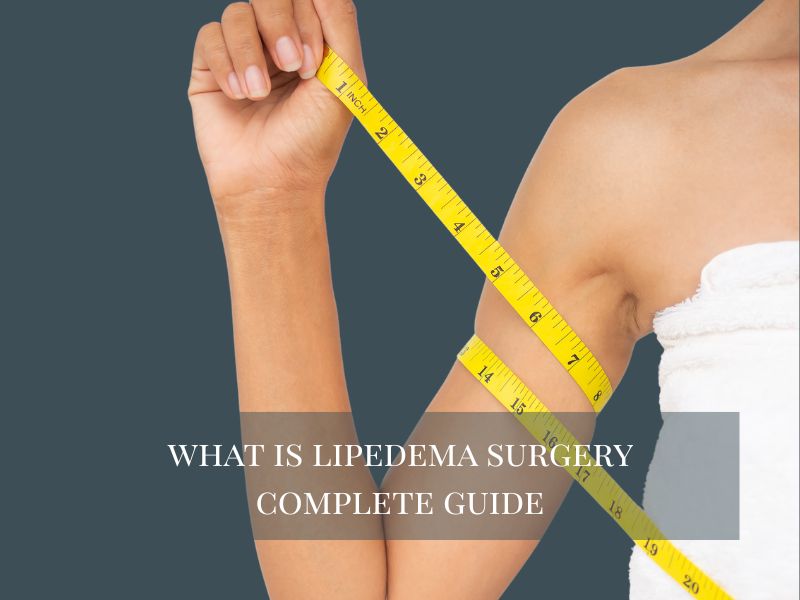
If you’ve been asking what is lipedema surgery, you’re probably dealing with more than stubborn weight. Lipedema isn’t typical fat gain. It’s a chronic condition characterized by painful, symmetrical fat buildup, most often in the legs, and sometimes the arms, that doesn’t respond to diet or exercise.
Unlike ordinary excess fat, this condition involves an abnormal fat buildup that behaves differently inside the body. Over time, it can affect mobility, comfort, and confidence. Understanding how lipedema surgery works, and when it makes sense, can help you decide what to do next. During a consultation with Dr. CV Chegireddy, patients receive a personalized evaluation to determine whether surgical treatment is appropriate and how it fits into their overall care plan.
What is the Surgery for Lipedema
The surgery for lipedema is a specialized surgical treatment focused on removing diseased lipedema fat while protecting the lymphatic system. It is not simply a cosmetic procedure, even though liposuction tools are used. The goal is symptom relief: less pain, lighter limbs, and better quality of life.
For many lipedema patients, surgery is considered after months or years of conservative care. When standard lipedema treatment strategies no longer control swelling or tenderness, surgery may be discussed. It does not cure lipedema, but it can significantly reduce the physical burden of the disease.
This type of procedure targets abnormal adipose tissue and excess fatty tissue, while carefully preserving nearby lymphatic structures, blood vessels, and surrounding connective tissue.
Recognize Lipedema Symptoms
Before moving toward surgery, an accurate diagnosis is critical. Lipedema is a relatively common disease, yet it is frequently misdiagnosed as obesity or standard lymphedema.
Typical lipedema symptoms include:
- Disproportionate fat accumulation in the legs or arms
- Symmetrical enlargement of the affected limbs
- Painful fat deposits that bruise easily
- Sensitivity in the soft tissues
- Ongoing swelling that doesn’t improve with weight loss
- Increasing fluid buildup in more advanced stages
As the condition progresses, pressure inside the tissues can interfere with lymphatic function. In some cases, this leads to secondary lymphedema, where swelling becomes more persistent because lymphatic flow is compromised.
A proper evaluation includes a detailed review of your medical history, a physical exam, and sometimes imaging. In more complex cases, histologic and immunohistologic analysis may help confirm the diagnosis and rule out other fat disorders.
Understand Lipedema Fat
Lipedema fat is not the same as regular body fat. The affected fat cells are enlarged and resistant to calorie restriction or exercise. This abnormal fatty tissue often appears after significant hormonal changes, such as puberty, pregnancy, or menopause.
Patients often describe it as:
- Firm or nodular under the skin
- Painful when pressed
- Concentrated in the lower body
- Out of proportion with the upper body
The surrounding connective tissue also changes. Over time, pressure within these tissues can limit normal lymphatic drainage, making it harder to reduce swelling.
This is why lipedema isn’t simply about weight. It is a structural issue involving abnormal fat, inflammation, and changes within the patient’s body that affect the way tissues respond to stress.
Conservative Options Before Surgery
Surgery is rarely the first step. Most physicians recommend conservative therapy first.
These conservative treatments may include:
- Daily compression therapy with medical-grade compression garments
- Manual lymphatic drainage or manual lymph drainage sessions
- Structured physical therapy programs
- Targeted nutrition guidance
- Low-impact exercise routines
These strategies aim to support lymphatic drainage, improve circulation, and manage discomfort. For some patients, especially in early stages, this approach slows progression and improves day-to-day comfort.
However, conservative measures do not remove abnormal fat or eliminate established painful fat deposits. If symptoms continue despite consistent care, surgery may become the only effective treatment for meaningful volume reduction.
When To Treat Lipedema
Not every patient needs surgery right away. Timing depends on symptoms and disease progression.
You may consider intervention if:
- Pain interferes with daily activities
- Swelling persists despite compression therapy
- Mobility becomes limited
- Signs of advanced lipedema appear
- Secondary lymphedema develops
That said, eligibility varies. Your overall health, skin quality, stage of disease, and response to previous conservative therapy all matter.
In some cases, surgery is delayed until inflammation is better controlled. For patients with significant excess fatty tissue, procedures may be staged over time to protect lymphatic structures and minimize complications.
Lipedema Surgery Overview
Modern lipedema liposuction is designed to remove diseased fat while preserving the integrity of the lymphatic system. Although it uses liposuction technology, this is not standard aesthetic contouring.
The purpose is therapeutic: reduce pain, improve function, and address structural imbalance caused by abnormal adipose tissue.
Several liposuction techniques are available. The right surgical technique depends on disease severity, tissue quality, and surgeon experience. The main priorities are:
- Remove excess fat
- Protect delicate lymphatic structures
- Preserve blood vessels
- Support long-term lymphatic flow
Lipedema Procedure: What Happens During Surgery
A typical lipedema procedure takes place in an accredited surgery center, often using local anesthesia with light sedation. This reduces systemic risks compared to general anesthesia.
During the procedure:
- A fluid solution is infused into the tissues to numb the area and reduce bleeding.
- Small incisions are created.
- A cannula is gently inserted to remove diseased adipose tissue.
- Controlled fat removal is performed in the affected areas.
The approach is deliberate. Surgeons follow a customized surgical plan to protect the surrounding connective tissue and avoid disrupting key lymphatic channels.
Tumescent Liposuction
Tumescent liposuction is widely used to treat lipedema. It involves infusing a large volume of diluted anesthetic fluid into the tissue before extraction.
This technique helps:
- Limit bleeding
- Improve comfort
- Separate tissue planes more clearly
- Reduce risk to lymphatic structures
It allows surgeons to safely remove substantial amounts of lipedema fat while maintaining tissue integrity.
Lymph Sparing Liposuction
Lymph sparing liposuction focuses specifically on preserving the lymphatic system. Using a careful, measured approach, often described as a lymph sparing technique, surgeons avoid damaging superficial lymph channels.
Maintaining healthy lymphatic flow lowers the risk of worsening swelling or triggering secondary lymphedema.
What is lipedema removal surgery
When patients ask what is lipedema removal surgery, they usually mean the targeted surgical removal of abnormal fat that resists diet, exercise, and conservative therapy.
It does not eliminate the underlying chronic condition, but it can reduce limb heaviness, improve mobility, and decrease fluid accumulation.
What is lipedema reduction surgery
Lipedema reduction surgery aims to decrease overall limb volume rather than remove every abnormal fat cell. Multiple sessions may be necessary, especially in more advanced cases.
If large amounts of fat are removed, excess skin may become visible. This is evaluated individually and addressed only if it affects comfort or hygiene.
Surgical Staging And Volume Limits
Safety comes first. Removing too much tissue at once increases surgical risk.
For that reason, surgeons often:
- Stage procedures over several months
- Limit the volume of fat removal per session
- Allow adequate healing time between surgeries
Patients with advanced lipedema may need a longer treatment plan. Protecting soft tissues and supporting proper tissue repair are critical to long-term success.
Some patients complete treatment in one session. Others require several procedures spaced over time. It depends on anatomy, disease severity, and response to surgery.
Post Treatment Care
Recovery doesn’t end when surgery is finished. Structured post treatment care plays a major role in outcomes.
Most patients will:
- Wear medical-grade compression garments daily
- Continue manual lymphatic drainage
- Resume gentle physical therapy
- Follow specific wound care instructions
These measures support lymphatic drainage, control swelling, and help maintain results.
Long-term success often depends on continuing elements of a personalized treatment plan, including nutrition guidance and compression use.
Recovery Timeline And Expectations
Recovery varies. There is no single timeline that fits everyone.
In the first few weeks, post operative discomfort, swelling, and bruising are common. Most patients return to light activities within days, but more intense exercise may be restricted for several weeks.
Swelling gradually improves over months. As inflammation decreases and lymphatic function stabilizes, limb shape becomes more defined.
Patients who undergo staged procedures will experience repeated recovery cycles. Planning time off work and arranging support at home can make the process smoother.
Risks, Benefits, And Outcomes

Every surgical procedure carries risks. These include:
- Bleeding
- Infection
- Fluid shifts
- Temporary numbness
- Contour irregularities
Working with an experienced team helps minimize complications and protect delicate blood vessels and lymphatic channels.
The potential benefits can be meaningful:
- Less pain
- Improved mobility
- Reduced limb size
- Better quality of life
However, results depend on many variables: disease stage, skin elasticity, adherence to compression therapy, body weight, and overall lymphatic function.
Surgery does not cure lipedema. But for many patients whose symptoms persist despite conservative care, it represents the most effective treatment option currently available.
In rare cases involving severe lymphatic compromise, additional advanced treatment options such as lymph node transfer may be discussed. These decisions are highly individualized.
FAQs: What Is Lipedema Surgery?
Is lipedema surgery a cosmetic procedure?
No. While liposuction tools are used, lipedema surgery is a medical surgical treatment. The focus is on removing diseased lipedema fat, protecting the lymphatic system, and improving daily function, not cosmetic reshaping.
Does insurance cover lipedema surgery?
Insurance coverage for lipedema surgery varies. Some plans may cover it if deemed medically necessary. Documentation and prior authorization are usually required.
Can surgery cure lipedema?
Surgery does not cure lipedema because it is a lifelong chronic condition. It reduces abnormal fat buildup and may improve quality of life, but ongoing care like compression therapy is usually still necessary.
How much does lipedema surgery cost?
Lipedema surgery cost depends on the treatment area and number of stages. Surgeon experience and facility fees also affect pricing. A consultation is needed for an accurate estimate.
How do I know if I am a candidate for lipedema liposuction?
Eligibility depends on your medical history, symptom severity, and overall health. If pain, swelling, and mobility problems continue despite conservative treatments, you may be evaluated for lipedema liposuction.
What is recovery like after a lipedema procedure?
After a lipedema procedure, most patients wear compression garments, continue manual lymphatic drainage, and gradually resume activity. Swelling improves over weeks to months as lymphatic flow stabilizes.
What techniques are used to treat lipedema?
Surgeons may use tumescent liposuction, power assisted liposuction, or water jet assisted liposuction, often incorporating a lymph sparing technique. The choice depends on the amount of excess fatty tissue, tissue quality, and disease stage.
What does early stage lipedema stomach look like?
An early stage lipedema stomach often appears as a soft, symmetrical increase in fat around the lower abdomen that may feel tender or heavy. Unlike typical weight gain, it does not respond easily to diet or exercise and may be accompanied by easy bruising or sensitivity to touch. Early evaluation can help determine whether it is lipedema and what treatment options are appropriate.
Take the Next Step Toward Relief With Lipedema Surgery
Lipedema can feel frustrating and overwhelming, especially when diet, exercise, and compression therapy no longer provide enough relief. At Aesthera Plastic Surgery by Dr. CV Chegireddy, lipedema surgery is approached with precision, safety, and individualized planning. During your visit, you’ll receive a clear explanation of your options and realistic expectations for recovery and results.
Contact us today to book your lipedema surgery consultation and take the first step toward lasting improvement.