A Lip Lift Scar is one of the most common concerns for people considering a cosmetic lip lift at Aesthera Plastic Surgery with Dr. CV. While a lip lift can enhance the upper lip, improve lip shape, and create a more youthful appearance, many patients worry about visible scarring and how it may affect their final outcome. Understanding how scars form, heal, and are managed helps set realistic expectations before surgery and supports confident decision-making.
Lip lift surgery is a cosmetic procedure within facial plastic surgery that focuses on subtle, natural-looking results. With the right surgeon, proper care, and patience during the healing process, most patients find that lip lift scars fade well and blend with their natural skin tone over time.
Introduction to Lip Lift Facial Plastic Surgery
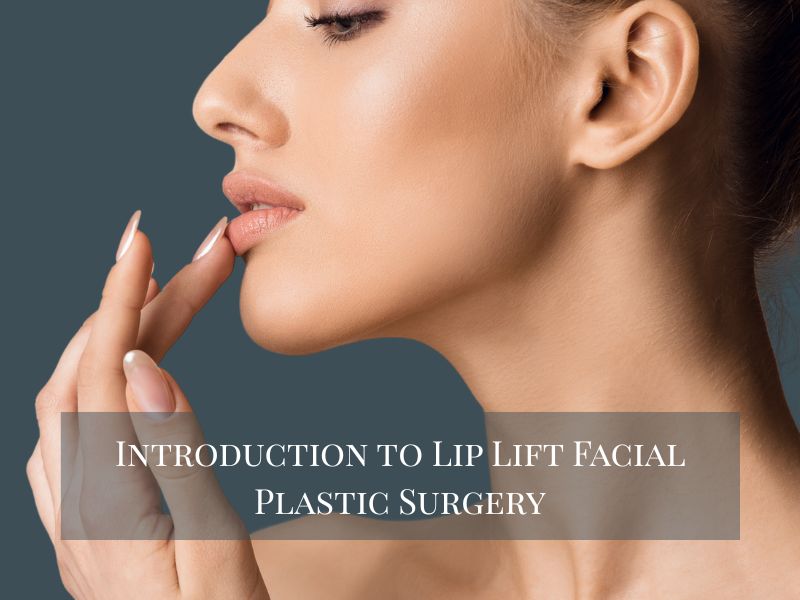
Facial plastic surgery, including lip lift procedures, can enhance the appearance of the upper lip and overall facial aesthetics. These procedures focus on balance, proportion, and harmony within the lip area and surrounding facial features.
A skilled plastic surgeon can perform lip lift surgery to create a more youthful and contoured appearance. By carefully placing the incision site near the nasal base, the surgeon aims to minimize noticeable scarring while improving lip position.
Understanding the basics of facial plastic surgery is essential for managing lip lift scars and achieving optimal results. Patients who know what to expect during healing are better prepared for the recovery process.
Lip lift surgery is a surgical procedure designed to improve lip volume, enhance the natural curve of the upper lip, and refine overall aesthetic appearance. When performed by an experienced plastic surgeon, results tend to look natural and balanced.
Preparing for Lip Lift Surgery
Preparing for lip lift surgery starts with understanding the procedure, potential risks, and the importance of proper wound care. Good preparation supports a smoother recovery and reduces the risk of complications.
Patients should follow their surgeon’s instructions closely to support the proper healing process. This often includes stopping smoking, avoiding certain medications, and preparing for post-op care at home.
Avoiding nicotine is especially important, as it can interfere with collagen production and slow scar healing. Poor healing increases the chance of raised scars or uneven texture at the incision line.
A detailed consultation with an experienced surgeon helps set realistic expectations. During this visit, patients can discuss goals, concerns about visible scarring, and any previous lip lift or facial procedures.
Understanding Lip Lift Scars
Lip lift scars typically form along the incision made during surgery. The scar appearance depends on factors such as skin type, genetics, and how the body responds to healing.
Most lip lifts involve a subnasal lip lift, where the incision is hidden beneath the nose. This placement helps the scar blend into the surrounding skin and reduces the risk of obvious scarring.
In the early stages, scars may appear red or firm due to initial swelling and early redness. This is part of normal healing and improves with time.
With good scar management, including proper care and follow-up, most patients experience fading and softening of the scar as scar maturity develops.
1 Week Lip Lift Scar
At 1 week, a lip lift scar is still in the early healing stage. Mild swelling, tightness, and early redness around the incision line are normal. The area under the nasal base may look more noticeable at this point, but this does not reflect the final outcome.
During this stage, the healing process is focused on closing the incision and reducing inflammation. Gentle cleansing, keeping the surgical site clean, and following post-op care instructions are essential. Sun exposure should be avoided, and patients should not apply scar creams or perform massage unless advised by their plastic surgeon. With proper care, the scar will continue to soften and fade over the following weeks.
Types of Scars
Different types of scars can form after lip lift surgery. Understanding them helps patients know what is normal and when treatment may help.
Hypertrophic scars are raised and firm but stay within the incision line. These scars often improve with time and treatment.
Keloid scars are less common but can extend beyond the incision. They may need targeted treatments such as injections or laser therapy.
Pigment changes can also occur, causing lighter or darker areas compared to the natural skin tone. Sun protection plays a big role in preventing discoloration.
Post-Operative Care
Proper post op care is essential for reducing scar visibility and supporting optimal recovery. Following instructions closely can make a significant difference in the final result.
Patients are usually advised to keep their head elevated, especially during sleep, to reduce swelling. Avoiding excessive mouth movement helps protect the surgical site.
Gentle cleansing keeps the incision clean without irritating delicate skin. Good wound care lowers the risk of infection and excess scar tissue.
Sun protection is crucial. UV exposure can darken scars and slow healing, making them more noticeable.
Corner Lip Lift Scar Considerations
A corner lip lift focuses on lifting the edges of the mouth. Because the incisions are closer to visible areas, careful technique is especially important.
An experienced plastic surgeon understands how to minimize visible scarring in this sensitive region. Precise incision placement and closure help scars blend better.
Patients should follow scar care instructions carefully, as this area moves often and may heal differently from a standard lip lift.
When done correctly, a corner lip lift can enhance expression and contribute to a more youthful appearance.
Direct Lip Lift Recovery
A direct lip lift involves an incision along the border of the lip. Recovery focuses on managing swelling and supporting smoother healing.
During the first about two weeks, swelling and redness are normal. This phase is part of the natural healing process.
Silicone gel, scar creams, and other topical treatments are often recommended to reduce inflammation and support smooth texture.
Gentle massage may be suggested once healing allows, helping soften scar tissue and improve flexibility.
Lip Lifts and Scar Revision
In some cases, patients may feel their lift scar remains noticeable. Revision surgery can help improve scar appearance when healing is complete.
A skilled surgeon will assess scar maturity before recommending revision. Many scars improve naturally with time and proper care.
Revision procedures may involve minor adjustments, laser treatments, or resurfacing to refine texture and color.
Clear communication and realistic expectations help patients feel confident about their options.
Lip Lift: Managing Raised Scars

Raised scars, including hypertrophic scars, often respond well to non-surgical treatments. Early intervention usually produces better results.
Silicone gel, pressure therapy, and gentle massage can help flatten and soften the scar.
Laser treatments may be recommended if the scar remains firm or uneven. These methods support smoother healing and better blending with surrounding skin.
Ongoing follow-up with a plastic surgeon ensures appropriate care.
Importance of Sun Protection
Sun protection is one of the most important steps in scar care. UV exposure can worsen discoloration and slow healing.
Using high-SPF sunscreen and avoiding direct sun exposure helps scars fade more evenly.
Sun protection supports smoother healing and reduces long-term visibility.
This habit also benefits overall skin health and aesthetic outcome.
Frequently Asked Questions: Lip Lift Scar
Will I have a visible lip lift scar?
Most patients will have a scar, but it is usually discreet and placed near the nasal base. With proper healing and care, lip lift scars typically fade and blend with the surrounding skin over time. Choosing a skilled surgeon reduces the risk of noticeable scarring.
How long does lip lift scar healing take?
Early redness and swelling usually improve within a few weeks, but full scar maturity can take several months. The healing process continues as collagen builds and the scar softens.
Can lip lift scars be treated?
Yes, scar management options include silicone gel, topical creams, laser treatments, and massage. These methods help reduce discoloration and uneven texture.
Are some people more prone to raised scars?
Yes, genetics and skin type play a role. Patients prone to hypertrophic scars should discuss preventive care and treatments with their surgeon early.
Is revision surgery common after a lip lift?
Revision surgery is uncommon but possible. It may be considered if the scar remains noticeable after full healing or if there are aesthetic concerns.
Lip Lift Procedure Schedule at Aesthera Plastic Surgery
A lip lift at Aesthera Plastic Surgery with Dr. CV is carefully planned to support optimal healing and natural-looking results.
Dr. CV provides detailed post-op care instructions and a personalized recovery schedule to help patients achieve a smooth recovery and the best aesthetic outcome. Schedule a consultation today!