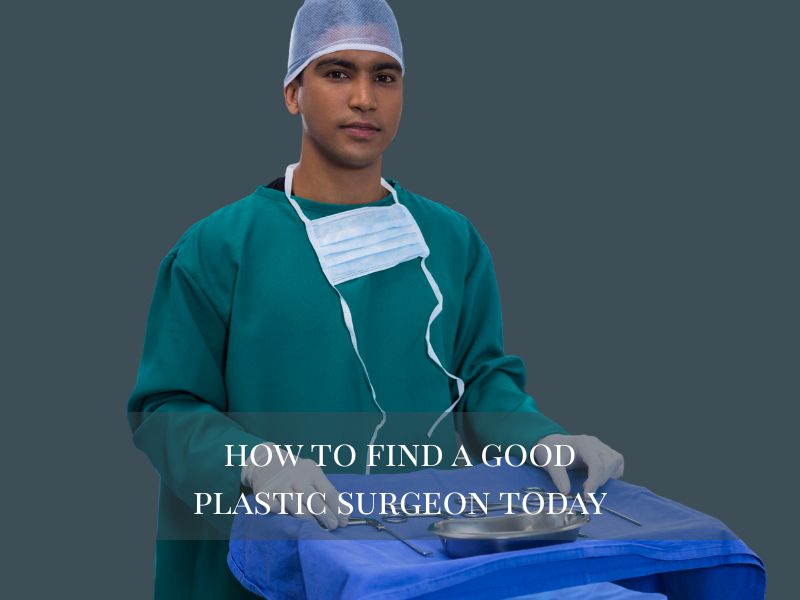
At Aesthera Plastic Surgery with Dr. CV Chegireddy, many patients begin their journey by learning how to find a good plastic surgeon, an important first step toward achieving safe, satisfying results. Choosing the right surgeon ensures your procedure is guided with expertise, clear expectations, and a strong commitment to safety at every stage of treatment and recovery.
Today’s plastic surgery procedures, such as breast reconstruction, breast augmentation, liposuction, and rhinoplasty, can dramatically enhance appearance, but results depend heavily on the surgeon’s training, experience, and judgment. That’s why choosing a plastic surgeon should never be rushed or based on price alone.
Qualifications and Certifications

When you’re choosing a plastic surgeon, board certification is one of the top factors to check. Board certified plastic surgeons have completed extensive surgical training, passed rigorous exams, and committed to ongoing education in their medical specialties.
Ideally, you want a surgeon certified by an American Board recognized organization, such as the American Board of Plastic Surgery (ABPS). This usually means:
A properly trained and qualified plastic surgeon understands anatomy, aesthetics, and safety protocols, reducing the risk of complications and “wrong surgeon, wrong procedure” outcomes.
Finding the Right Plastic Surgeon
Key Factors to Consider
When learning how to find a good plastic surgeon, it’s important to compare several surgeons instead of choosing after just one consultation. Look at each surgeon’s training and certification, their experience with the specific procedures you want—such as breast augmentation, rhinoplasty, or liposuction—and whether they perform those procedures regularly. Reviewing before-and-after photos, checking for hospital or accredited facility privileges, and noticing whether the surgeon focuses on patient safety rather than sales can also guide your decision.
Many patients also rely on patient reviews and testimonials to understand what to expect from the process, recovery, and overall bedside manner. Research shows that strong qualifications and trusted recommendations are some of the most influential factors when selecting an aesthetic surgeon, helping you feel confident and informed as you make your choice.
Choosing the Best Plastic Surgeon for Your Need
Experience With Specific Procedures
Plastic and cosmetic surgeons often focus their practice on certain plastic surgery procedures. Ask:
- How often they perform your chosen procedure
- How long they have been performing that surgery
- What complications they’ve encountered and how they handled them
A best plastic surgeon is someone who performs your procedure on a regular basis and understands every detail involved. A surgeon with this level of experience is more likely to recognize nuances, manage complications effectively, and deliver predictable, high-quality outcomes.
What Happens at a Plastic Surgery Consultation?
Topics You Should Discuss
The plastic surgery consultation is your chance to evaluate the surgeon and gather information. You should discuss:
- Your medical history, including medications, allergies, and past surgeries
- Your concerns, expectations, and motivation for surgery
- Whether you’re a good candidate for specific procedures
- How the procedure is performed and what kind of anesthesia is used
Cosmetic surgery experts emphasize that surgeons must take your medical history seriously and use it to determine a safe treatment plan.
Questions to Ask Your Surgeon
Prepare a list of questions, such as:
- Are you board certified in plastic surgery or another relevant field?
- How many times have you performed this specific procedure?
- Who provides anesthesia, a certified registered nurse anesthetist or a board certified anesthesiologist?
- What kind of accredited facility will my surgery be in?
- What are realistic expectations for my results?
- What is the expected recovery timeline, and what help will I need at home?
You should feel comfortable talking openly with the surgeon. If you feel rushed or dismissed, that’s another red flag.
What Makes a Qualified Plastic Surgeon?
Training and Surgical Background
A qualified plastic surgeon has typically:
- Completed at least six years of surgical training after medical school
- Completed a plastic surgery residency (often within a Royal College or recognized training pathway)
- Passed board certification exams
- Completed additional training or fellowships in aesthetic plastic surgery
This extensive training helps ensure that the surgeon can safely perform a range of plastic and cosmetic procedures and manage complex cases.
Evaluating Cosmetic Procedures and Your Candidacy
Understanding Risks, Benefits, and Recovery
Every cosmetic procedure — whether breast augmentation, rhinoplasty, facelift, liposuction, or any other treatment — comes with its own potential risks and benefits. A responsible surgeon will take the time to explain how the procedure is performed step-by-step, review possible complications and how often they occur, and outline what to expect during the first few weeks of recovery. They will also discuss how your lifestyle, health, and body type may influence your results.
This level of communication helps you set realistic expectations and understand whether surgery is truly the right option for your goals. Feeling informed and prepared is a key part of choosing a safe and supportive surgical experience.
Matching Procedures to Your Aesthetic Goals
Sometimes patients come in requesting a specific surgery—like nose reshaping or liposuction—when a different treatment or a combination of procedures may better match their aesthetic goals. A good doctor will listen carefully to your concerns, examine your anatomy, and offer alternatives if another procedure is safer or more appropriate. They will also explain why a certain option may not be the right choice for your situation.
The goal is not just to perform surgery, but to choose the right procedure for the right patient at the right time. A surgeon who guides you honestly toward the best option is one who truly has your safety and results in mind.
Patient Comfort, Care, and Communication
How the Practice Makes You Feel
From the first phone call to your visit to the facility, pay attention to how the staff treats you — warm, respectful, and professional care is essential. Notice whether the environment feels clean, organized, and calm, and make sure your questions are welcomed rather than brushed aside.
Your overall comfort level matters. Surgery is a process, and you’ll be working closely with this team before and after your procedure, so feeling supported from the beginning is an important part of choosing the right plastic surgeon.
Building Trust With Your Surgeon
One reason many patients choose a particular surgeon is the level of trust they feel. During your consultation, ask yourself:
- Do I feel heard and understood?
- Does this physician explain things in a way I can follow?
- Do I feel safe discussing personal concerns and goals?
Trust, respect, and clear communication are essential foundations for a successful cosmetic surgery journey.
Making an Informed, Safe Decision

Choosing a plastic surgeon is about much more than finding the lowest price or being impressed by flashy marketing. It involves verified certification and board status, strong surgeon’s experience with your specific procedure, and consistent, natural-looking surgeon’s results. A safe, accredited environment and an honest discussion about risks and realistic expectations also matter. Most importantly, you should feel comfortable and respected throughout the process.
When you combine all these factors and take the time to schedule more than one plastic surgeon consultation, you are far more likely to choose a surgeon who is truly the right fit for you.
FAQs: How To Find A Good Plastic Surgeon
What’s the difference between cosmetic surgeons and plastic surgeons?
“Plastic surgeon” generally refers to a doctor trained in reconstructive and aesthetic plastic surgery through an accredited residency. “Cosmetic surgeons” may come from different medical specialties and complete additional training focused only on cosmetic procedures. Always check what board has certified the physician and whether it’s an only board recognized in your region for plastic or aesthetic surgery.
Why is an accredited facility important for my safety?
Surgery performed in an accredited facility must meet strict standards for equipment, cleanliness, staff, and emergency protocols. Choosing a surgeon who operates in an accredited hospital or surgery center significantly improves patient safety and reduces the risk of serious complications related to anesthesia and operative care.
What should I expect during recovery after a cosmetic procedure?
Recovery depends on the procedures performed, your overall health, and how closely you follow post-operative instructions. You may experience swelling, bruising, and discomfort in the operated area for days to weeks. Your surgeon will explain the process, including activity restrictions, follow-up visits, and warning signs of complications so you know what to expect at each stage.
Schedule Your Consultation
If you’re ready to take the next step, you can schedule a consultation at Aesthera Plastic Surgery.
During your visit, he will take the time to understand your goals, review your concerns, and explain the best treatment options for you. This personalized approach ensures that every patient feels informed, supported, and confident before making any decision.