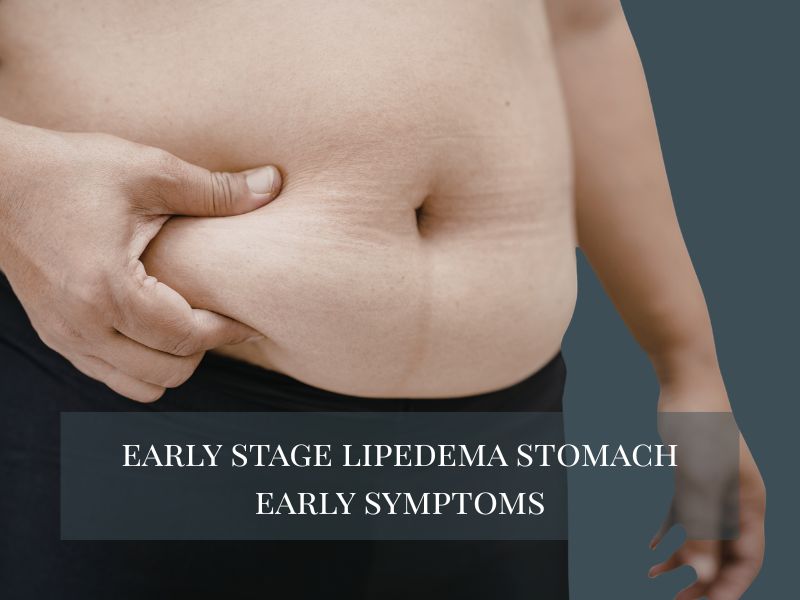
When people are searching about early stage lipedema stomach start to notice body changes that don’t seem to behave like normal weight gain. The lower abdomen may look a bit fuller or feel softer, even when diet, exercise, and daily habits haven’t really changed. It can be confusing. Lipedema most often affects the lower body, but as the surrounding fat tissue changes, the stomach area may also appear different.
Recognizing the early symptoms of lipedema can help patients understand whether these changes may be related to abnormal fat deposits rather than typical weight gain. Early evaluation is important. At Aesthera Plastic Surgery, patients often come in with these early concerns to better understand what they are experiencing. Identifying lipedema sooner can make a meaningful difference, since early diagnosis may provide more options for managing lipedema and slowing how the condition develops.
What Is Early Stage Lipedema?
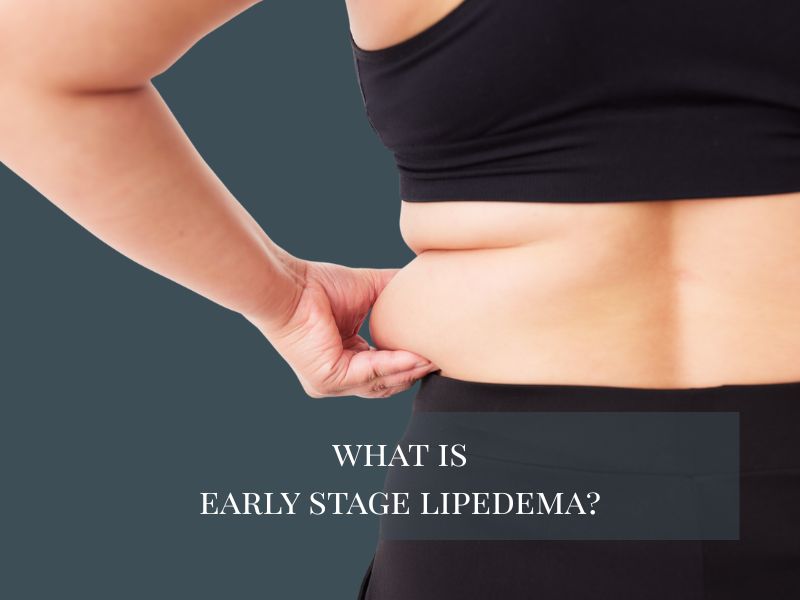
Lipedema is a chronic disorder that causes the body to store abnormal fat accumulation under the skin. Unlike ordinary body fat, lipedema fat forms due to changes involving fat cells, small blood vessels, and the lymphatic system, which normally helps move fluid through the body.
During the early stages, symptoms may be easy to overlook. The skin can still feel soft, and overall body shape may not look dramatically different. However, subtle abnormal fat buildup may already be developing beneath the skin.
How Lipedema Develops in the Early Stages
In early lipedema, the body begins forming clusters of lipedema fat deposits within the layer known as subcutaneous fat. This layer of fat tissue sits just under the skin and plays an important role in shaping the body.
Doctors believe several mechanisms may contribute to this process:
- Changes in fat cells that encourage fat accumulation
- Fragile blood vessels that bruise more easily
- Altered function in the lymphatic vessels and nearby lymph vessels responsible for circulating lymph fluid
As the disease progresses, fluid can slowly collect within the surrounding tissues. Over time, this may influence how fat accumulates and eventually contribute to secondary lymphedema or lipo lymphedema in more advanced stages.
Why Lipedema Is Often Misdiagnosed as Weight Gain
One of the biggest frustrations for patients is being told they simply need to lose weight. But many lipedema patients find that affected areas do not respond to weight loss the same way ordinary fat does.
Several factors contribute to this confusion:
- Lipedema appears similar to normal weight gain
- In early stages, the body can still look body equally proportioned
- Symptoms often begin during hormonal fluctuations such as puberty, pregnancy, or menopause
- Many patients maintain a healthy body mass index
Because of these similarities, doctors sometimes confuse lipedema with lifestyle-related weight changes unless they carefully examine the full pattern of symptoms of lipedema.
Can Early Stage Lipedema Affect the Stomach?
When patients search for information about early stage lipedema stomach, they are often noticing that their abdominal area looks different than before. The condition itself tends to affect the legs, hips, or arms first. Still, changes around the abdomen can occur indirectly.
In many situations, the stomach is not the main location of lipedema fat deposits. Instead, fat developing in nearby areas can alter body proportions, making the abdomen appear fuller.
Typical Areas Lipedema Affects
Most cases involve specific areas of the body. These commonly include:
- The lower body, especially the hips and thighs
- The affected limbs, particularly the legs
- Occasionally the upper arms
As fat deposits increase in these regions, the surrounding silhouette changes. This can make the abdomen look more prominent, even if lipedema fat is not directly forming there.
Differences Between Abdominal Fat and Lipedema Tissue
Recognizing the difference between belly fat and abnormal fat deposition is key for accurate diagnosis.
Ordinary abdominal fat:
- Often responds to weight loss
- May include visceral fat around organs
- Fluctuates with diet and physical activity
By contrast, lipedema fat tissue behaves differently:
- It contains abnormal fat cells
- It forms within the underlying tissue
- The area may feel tender or sensitive
- Fluid changes related to lymphatic fluid may occur
These differences help specialists distinguish lipedema from typical fat distribution.
Early Symptoms of Early Stage Lipedema in the Stomach
People researching early stage lipedema stomach often report noticing subtle physical changes over time. At first, these symptoms may seem mild or easy to dismiss.
Persistent Fat Around the Lower Abdomen
One common concern involves fat buildup around the lower abdomen that remains even after attempts at weight loss.
This type of fat accumulation can feel different from regular body fat. In some cases, the nearby affected tissue may appear fuller despite maintaining healthy eating habits and exercise routines.
Soft or Nodular Fat Tissue Under the Skin
In early lipedema, the soft tissue beneath the skin may feel slightly uneven to the touch.
Patients sometimes describe:
- Small nodules under the skin surface
- Areas where fat accumulates unevenly
- Thickening of the subcutaneous fat
These early structural changes reflect abnormal fat deposition developing under the skin.
Easy Bruising in the Abdominal Area
Another symptom involves fragile blood vessels.
Because lipedema can affect both small capillaries and the lymphatic vessels, patients may notice:
- Bruises appearing easily
- Bruises that last longer than expected
- Sensitivity in areas where fat deposits are present
These symptoms frequently appear alongside other associated symptoms of lipedema.
Tenderness or Pain When Pressing the Skin
Pain or tenderness is a defining characteristic of lipedema. Even during the early stages, some patients feel discomfort when pressure is applied.
This discomfort may include:
- Mild soreness in the fat tissue
- Sensitivity within the affected tissue
- Pain when pressing areas where fat accumulates
This type of pain differs from the pressure sensation commonly associated with ordinary fat.
Feeling of Heaviness or Pressure in the Area
Some individuals report leg heaviness or a sense of abdominal pressure early on.
These sensations may relate to:
- Early buildup of lymph fluid
- Changes within nearby lymph vessels
- Early stress on the lymphatic system
As lipedema advances, these symptoms may eventually develop into lymphedema swelling during more advanced stages.
What Early Stage Lipedema in the Stomach Looks Like
The appearance of early stage lipedema stomach can be subtle. In many patients, the changes happen gradually over months or even years.
Changes in Body Proportion
During early lipedema, the body may still look fairly balanced. However, small differences can start appearing between the upper body and lower body.
Patients sometimes notice:
- Increased fullness in the lower abdomen
- Greater fat accumulation around the hips or thighs
- A difference between the upper body and affected limbs
As lipedema progresses, these changes tend to become more visible.
Skin Texture and Appearance in Early Stages
In the early stages, the skin texture usually remains smooth.
However, subtle shifts may occur such as:
- A softer feel in the soft tissue
- Slight unevenness beneath the skin surface
- Areas where the underlying tissue feels thicker
In stage II lipedema, the skin surface may begin to appear uneven, while stage III lipedema often includes more obvious tissue hardening and larger abnormal fat deposits.
How Early Stage Lipedema Differs From Belly Fat
Distinguishing lipedema fat from ordinary abdominal fat can help patients understand why typical weight strategies may not work.
Lipedema vs Weight Gain
With typical weight gain, fat cells expand throughout the body. When someone works to lose weight, those fat stores usually decrease.
With lipedema, the situation is different:
- Abnormal fat cells continue storing fat
- The abnormal fat buildup may not respond to weight loss
- Fat distribution may change instead of affecting the body equally
Because of this pattern, many patients struggle to lose weight in specific areas.
Lipedema vs Visceral Abdominal Fat
Visceral fat forms around internal organs and is often linked with metabolic conditions such as liver disease.
Lipedema, however, involves:
- Subcutaneous fat beneath the skin
- Structural changes in fat tissue
- Alterations in the lymphatic vessels
These differences help doctors more accurately diagnose lipedema.
How Doctors Diagnose Early Stage Lipedema
Identifying lipedema early allows doctors to guide patients toward the right care plan.
Physical Examination and Medical History
Diagnosis usually begins with a physical examination combined with a detailed review of medical history.
Doctors may ask questions about:
- Family history and possible risk factors
- Changes in body mass index over time
- When symptoms first appeared
- Whether symptoms coincide with hormonal fluctuations
The doctor will also examine the skin surface, affected limbs, and distribution of fat deposits.
Diagnostic Criteria Doctors Look For
During evaluation, specialists look for specific patterns that help diagnose lipedema, including:
- Symmetrical fat accumulation in the legs or upper arms
- Painful or tender fat tissue
- Easy bruising caused by fragile blood vessels
- Little improvement despite weight loss
Doctors also rule out other conditions such as primary lymphedema, lymphedema swelling, or complications like lipo lymphedema.
Groups such as the lipedema foundation emphasize that proper diagnosis requires careful clinical evaluation and understanding of the different stages of lipedema.
When to See a Doctor for Early Lipedema Symptoms
Patients who suspect lipedema should speak with a physician familiar with the condition.
Signs That Symptoms May Be Progressing
Certain changes may suggest that the condition is advancing:
- Increasing fat buildup in the legs or abdomen
- Persistent leg heaviness
- Visible fluid accumulation in the tissues
- Development of lymphedema swelling
These symptoms may indicate the disease progresses toward more advanced stages.
Why Early Diagnosis Is Important
Receiving an early diagnosis allows doctors to begin managing lipedema before complications appear.
Benefits of early care may include:
- Slowing how quickly lipedema progresses
- Reducing fluid accumulation
- Lowering the risk of secondary lymphedema
- Improving long-term mobility and comfort
Patients treated in the early stages often have more options for symptom management.
Treatment Options for Early Stage Lipedema
Although lipedema cannot currently be cured, several lipedema treatment options can help reduce symptoms and support long-term health.
Conservative Management and Lifestyle Changes
Lifestyle changes cannot remove lipedema fat, but they can improve overall wellbeing.
Doctors may recommend:
- Balanced nutrition habits
- Regular low-impact exercise
- Monitoring body mass index
- Avoiding significant weight gain
In certain situations, patients dealing with severe obesity may explore treatments such as bariatric surgery, though this procedure does not directly remove lipedema fat deposits.
Compression Therapy and Lymphatic Support
Supportive therapies often focus on improving fluid movement through the body.
These approaches may include:
- Compression therapy
- Wearing compression stockings
- Manual lymphatic drainage
- Techniques that support the lymphatic system
These treatments help move lymph fluid and lymphatic fluid through the lymphatic vessels, which may reduce discomfort and swelling.
Liposuction for Lipedema Treatment
For some patients, surgery may become part of the treatment plan.
Specialized liposuction techniques can remove abnormal fat deposits while protecting delicate lymph vessels.
Results can vary depending on:
- The specific lipedema stages
- The amount of fat accumulation present
- Whether secondary lymphedema has developed
In advanced stages, treatment may involve multiple therapies to address both lipedema and lymphedema swelling.
FAQs
Can early stage lipedema appear in the stomach?
Yes. When people search for early stage lipedema stomach, they often notice fullness around the lower abdomen. Lipedema itself usually begins in the lower body, but surrounding fat deposits can change body proportions and make the stomach area appear larger.
What are the earliest symptoms of lipedema?
The earliest symptoms of lipedema often include tender fat tissue, easy bruising due to fragile blood vessels, and small areas of abnormal fat accumulation. Many patients also report leg heaviness or subtle swelling in the affected limbs during the early stages.
Can lipedema fat be reduced with weight loss?
Unfortunately, lipedema fat behaves differently than normal body fat. Even when patients achieve weight loss, the abnormal fat cells in affected areas may remain. This is one reason doctors recommend supportive treatments alongside healthy lifestyle habits.
How do doctors diagnose lipedema?
Doctors typically diagnose lipedema using a combination of physical examination, medical history, and evaluation of fat distribution patterns. They also work to rule out conditions like primary lymphedema or lipo lymphedema to ensure a proper diagnosis.
What treatments help manage early lipedema?
Several lipedema treatment options may help patients manage symptoms in the early stages. These often include compression therapy, manual lymphatic drainage, and lifestyle changes that support the lymphatic system and reduce fluid accumulation.
Schedule a Lipedema Evaluation
Many patients searching for answers about lipedema benefit from a professional assessment to confirm the diagnosis and discuss treatment paths. At Aesthera Plastic Surgery by Dr. CV Chegireddy, consultations allow patients to review symptoms, ask questions, and explore individualized treatment plans. Because lipedema can affect every patient differently, expert guidance is essential.
Schedule your consultation today to learn more about your options and begin planning the next steps in your care.