Many patients begin researching eyelid surgery because drooping eyelids, excess skin, or vision problems make everyday tasks more difficult. At Aesthera Plastic Surgery, Dr. CV regularly treats patients facing these concerns. If you’re wondering whether Blepharoplasty Covered by Insurance is possible, you are not alone, this is one of the most common questions patients ask when exploring eyelid surgery.
Insurance coverage depends on several factors, including medical necessity, your insurance company’s policy, and the type of eyelid surgery recommended by your plastic surgeon or oculoplastic surgeon.
Introduction to Eyelid Surgery
Eyelid surgery, also known as blepharoplasty, is a surgical procedure designed to remove excess skin, fat, or muscle from the upper and lower eyelids. This procedure can improve both eyelid appearance and eyelid function. Many patients notice a more youthful appearance, better comfort, and in some cases, improved vision.
Cosmetic eyelid surgery is one of the most popular cosmetic procedures for reducing signs of aging, smoothing droopy eyelids, and creating a refreshed look. Some patients choose upper eyelid surgery to remove excess upper eyelid skin that hangs over the eyelashes, while others choose lower eyelid surgery to improve under-eye bags.
In certain cases, upper blepharoplasty may be covered by insurance if the excess skin impacts daily living or causes vision problems, including upper eyelid impairs vision concerns. Both plastic surgeons and oculoplastic surgeons perform blepharoplasty to help patients address eyelid issues such as brow ptosis, drooping eyelids, and excess skin.
Is Blepharoplasty Covered by Insurance?
When patients ask whether insurance will insurance cover eyelid surgery, the answer is: it depends. Insurance coverage varies based on each insurance company, your specific plan, and your medical needs.
- Most insurance companies may cover upper blepharoplasty when excess upper eyelid skin blocks vision or interferes with daily living.
- Cosmetic blepharoplasty, done only for aesthetic reasons, is usually considered cosmetic surgery and rarely covered.
- Lower eyelid surgery is almost always considered cosmetic and not covered unless related to reconstructive needs.
Because there are many types of insurance policies, it’s important to contact your insurance company directly to confirm whether they insurance cover blepharoplasty and what documentation they require.
How to Get Blepharoplasty Covered by Insurance?
Medical necessity is the most important factor in determining whether blepharoplasty covered by insurance is possible. Your eyelid concerns must be deemed medically necessary, not simply cosmetic.
Insurance may consider upper blepharoplasty medically necessary when:
- Excess upper eyelid skin hangs low enough to block peripheral vision.
- Drooping eyelids interfere with tasks like reading, driving, or other daily living activities.
- Upper eyelid impairs vision during normal activities.
A visual field test is often required to measure how much your vision is blocked. The insurance company may also request:
- Photographs showing excess skin
- Documentation of symptoms
- Reports from your surgeon
- Your medical records
If your surgeon believes the procedure will provide functional improvement, they may recommend submitting all documentation to your insurance company for pre-authorization.
Cosmetic Procedures and Insurance
Not all eyelid surgeries qualify for coverage. Some procedures fall under purely cosmetic surgery or aesthetic reasons, meaning they aim to improve appearance only.
However, some situations blend cosmetic and functional needs. For example, severe cases of brow ptosis may affect vision, and the surgery may be considered reconstructive. Understanding the difference between cosmetic eyelid surgery and reconstructive surgery is essential when evaluating insurance coverage.
Blepharoplasty Surgery Costs
The eyelid surgery costs can vary widely based on several factors, including the surgeon’s experience, the geographic location, and whether you need upper or lower eyelid surgery. Prices also differ depending on the type of anesthesia used (local or general), operating room fees, and the level of pre- and post-operative care required.
When upper eyelid surgery is medically necessary, insurance may cover part or even all costs. Patients should still be prepared for deductibles, co-insurance, or out-of-pocket expenses.
Cosmetic blepharoplasty, including most lower eyelid procedures, must be paid out-of-pocket. Many plastic surgeons offer financing options such as payment plans, medical financing companies, or the ability to use a health savings account for eligible medical procedures.
Congenital Ptosis and Insurance
Congenital ptosis is a condition where one or both eyelids droop from birth. It may cause vision obstruction and require treatment early in life.
Insurance may cover ptosis repair if:
- The surgery improves vision
- The visual field test shows impairment
- Daily functioning is affected
As with blepharoplasty, medical necessity must be documented. Insurance companies evaluate whether the condition is considered medically necessary or cosmetic.
Planning for Your Consultation
Before meeting with a surgeon, it helps to prepare:
- A list of symptoms
- Questions about surgery
- Concerns regarding insurance
- Past medical records
During your consultation, your surgeon will:
- Examine your eyelids
- Discuss upper eyelid, lower eyelid, or combined procedures
- Determine whether your concerns are functional or cosmetic
- Explain what type of blepharoplasty surgery may benefit you
- Review potential risks and recovery expectations
A skilled facial plastic surgeon or oculoplastic surgeon can guide you through the process of determining whether your blepharoplasty is covered by insurance or considered cosmetic.
What to Expect from Blepharoplasty
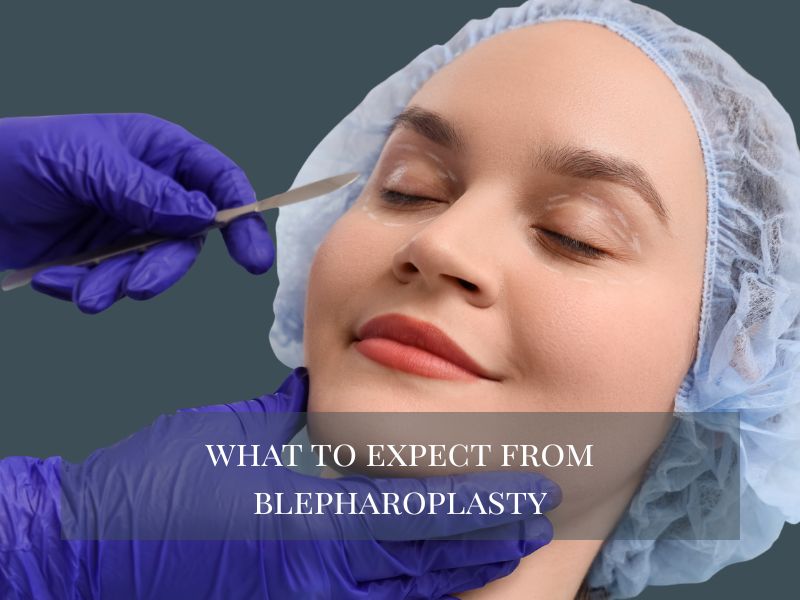
Blepharoplasty can be done under local or general anesthesia, depending on the type of procedure. During surgery, the surgeon makes small incisions in the natural eyelid creases, removes excess skin, or repositions fat to improve function or appearance. The procedure usually takes 30 minutes to two hours, and most patients go home the same day.
Recovery is simple for most people. Swelling and bruising are normal for the first few days, and cold compresses can help reduce discomfort. Patients should avoid heavy exercise for 1–2 weeks, with results continuing to improve over the next several weeks. Lower eyelid surgery smooths and refreshes the under-eye area, while upper eyelid surgery can restore vision by removing excess skin.
FAQs: Blepharoplasty Covered by Insurance?
How do I know if blepharoplasty is covered by insurance?
Insurance may consider blepharoplasty covered by insurance if excess skin or drooping eyelids block vision or affect daily living. Your surgeon may perform a visual field test and send medical records to your insurance company. If the surgery provides functional improvement, it may qualify as medically necessary.
Is lower eyelid surgery covered by insurance?
Lower eyelid surgery is almost always considered cosmetic and not usually covered. Most insurance companies view lower blepharoplasty as elective because it does not typically improve vision. Patients seeking treatment for cosmetic reasons should expect out-of-pocket costs.
What documentation is needed for insurance to cover eyelid surgery?
Insurance companies often require medical records, photos, and a visual field test showing upper eyelid impairs vision. The surgeon must explain how excess skin affects daily living. Pre-authorization may also be required before the surgical procedure.
Does ptosis repair qualify for insurance coverage?
Yes. Ptosis repair is often covered if it improves eyelid function or corrects congenital ptosis. If the drooping eyelid reduces peripheral vision, insurance typically classifies the surgery as medically necessary rather than cosmetic.
What if my insurance does not cover eyelid surgery?
If your procedure is not considered medically necessary, it will not be covered by insurance. Many patients choose financing options, payment plans, or health savings account benefits to cover eyelid surgery costs. Discuss options with your surgeon’s office.
Schedule Your Blepharoplasty Consultation at Aesthera Plastic Surgery
If you’re considering blepharoplasty, now is the perfect time to take the next step. At Aesthera Plastic Surgery, Dr. CV provides personalized evaluations to determine whether eyelid surgery is right for you, whether for functional improvement, aesthetic goals, or both.
Schedule your consultation today to discuss your concerns, review treatment options, and receive expert guidance tailored to your needs.