Breast reconstruction is a major part of recovery for many women after breast cancer surgery. The first stretch of healing can feel slow. Soreness, swelling, and fatigue are common, and the body needs time to adjust. Breast reconstruction recovery time rarely follows the exact same pattern for two people.
The kind of operation matters. A procedure with breast implants may heal on a different timeline than one that uses tissue from another area of the body. What remains constant is the need for follow-up visits, clear guidance from plastic surgeons, and consistent care from a trusted medical team.
Overview of Breast Reconstruction Recovery and Healing Process

Patients usually stay in the hospital while the team watches the surgery site for bleeding, infection, or fluid leaking. Surgical drains may be in place. They’re awkward but temporary. Nurses show how to empty and measure them. Pain medication is given as needed. Swelling is expected.
Recovery time depends on the specific procedure. Breast implant surgery often means a shorter hospital stay. Using tissue from a donor site, like the abdomen or back, takes longer. A tissue expander or fat grafting adds steps, so healing stretches out.
There isn’t one timeline that fits everyone’s recovery speed. Some patients are able to move around the house within two to three weeks. Others may need more time before they can lift with their upper body or return to their usual activities. The surgeon’s follow-up visits matter. They check for complications like infection, blood clots, or problems with the blood supply to the reconstructed breast.
Average Recovery Time for Breast Reconstruction Surgery
Most patients stay in the hospital two to four days after breast reconstruction. Longer if there are concerns about drains, bleeding, or infection. As you can imagine, the first week is the hardest. Swelling, bruising, and fatigue are common side effects. Pain medication helps manage the discomfort, but soreness in the chest is normal.
By about two to three weeks after surgery, many can move around the house, prepare meals, or return to desk work. Heavy lifting or reaching overhead takes more time. If the operation uses the patient’s own tissue, recovery stretches longer. The chest and the donor site both need to heal. Full recovery often takes months.
How Surgery Complexity Affects Breast Reconstruction Surgery Recovery Time
Implant reconstruction or a direct breast implant usually means a shorter hospital stay. This is because there is less scarring and fewer moving parts. Most patients return to their routine sooner.
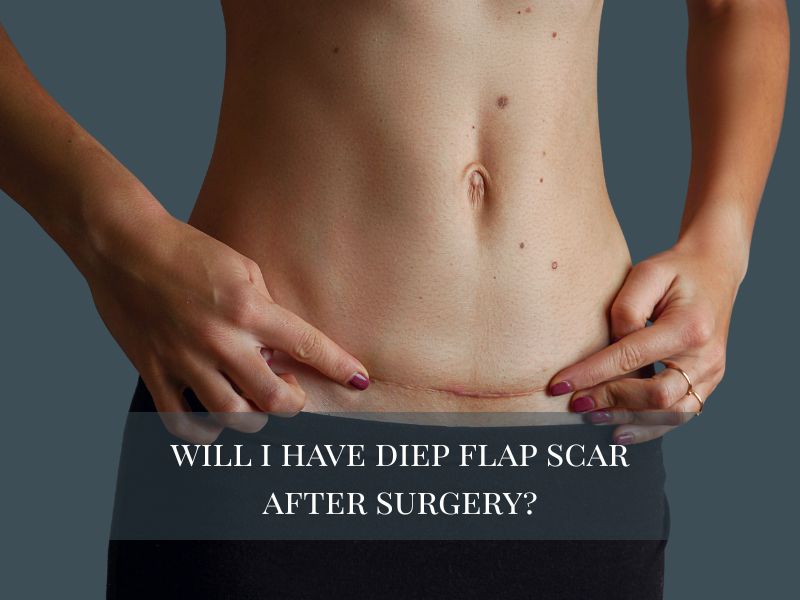
Flap surgery, on the other hand, is different. Tissue and blood vessels are moved from another part of the body. There are two surgical wounds, which by default carry a higher risk of complications and slower progress. It’s one of the major surgeries in this field. Recovery time is measured in months, not weeks. The final result may not be apparent until the swelling fades completely and the scars soften.
How to Speed Up Recovery Time from Breast Reconstruction Surgery
Healing can’t be rushed, but you can make it smoother. Follow the surgeon’s advice for the best results and keep up with wound care. Take pain medication as prescribed so you can walk without straining.
Skip heavy lifting for as long as it’s recommended, and then some. Avoid strenuous exercise until cleared by a doctor. Walking daily reduces the risk of blood clots and maintains steady circulation. Report issues promptly, such as redness, fluid at the surgery site, or sudden pain. Regular check-ups with the doctor catch problems like scar tissue or fluid build-up early.
How Age Affects Recovery Time After Breast Reconstruction
Younger patients often bounce back faster. Muscle tone, circulation, and skin all play a role in prompt recovery. Older women may notice slower healing, especially if they’ve had a mastectomy, radiation, or chemotherapy for breast cancer.
For most women, progress still comes, just on a longer curve. Regaining upper-body strength takes more time. Monitoring for complications is more important. With steady follow-up and realistic pacing, recovery works at any age.
Possible Risks of Breast Reconstruction After Breast Cancer
Breast reconstruction after breast cancer is safe for most patients, but problems can happen. Infection is the most common. Fluid may collect under the skin and need to be drained. Swelling and bruising last for weeks. Some pain is expected.
With implants or a tissue expander, there is a chance of rupture, shifting, or scar tissue forming around the device. Using your own breast tissue carries other risks. The chest has to heal, and so does the donor site. That can slow recovery and add to discomfort.
After mastectomy and reconstructive surgery, blood flow to the skin or muscle may be weak. This can affect healing, cause contour irregularities, or result in unevenly reconstructed breasts. Sometimes, another operation is necessary to achieve symmetry or for nipple reconstruction.
The doctor and surgical team watch closely in the early weeks. Following their directions, resting, and avoiding strenuous activity lowers the chance of serious setbacks.
Breast Implants & Other Breast Reconstruction Options
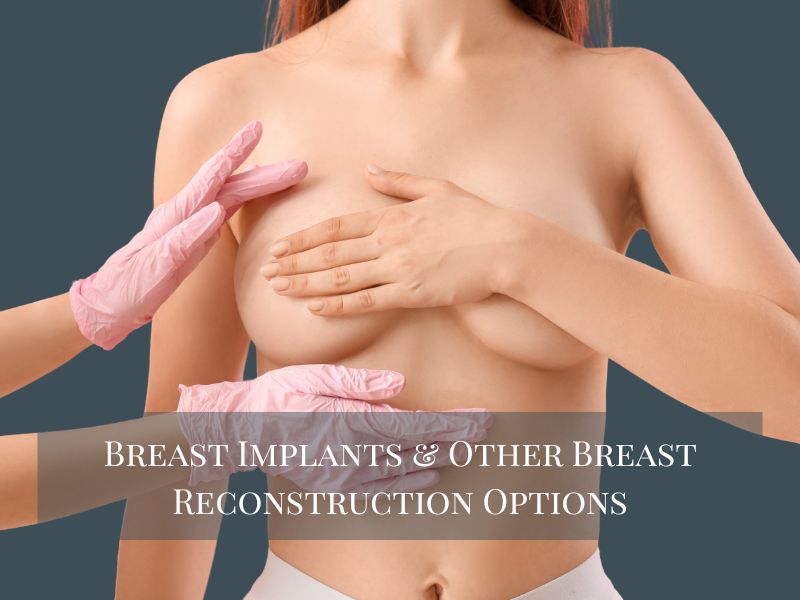
Many patients start with a tissue expander to stretch the skin, then return later for implant placement. The recovery time is shorter, but problems such as scar tissue around the implant or rupture can still occur.
Another option uses your own tissue. Skin and fat are moved from the belly, back, or thigh. That means two wounds, two healing sites. Recovery takes longer in this case. The scars are bigger, and the hospital stay is often longer, too.
Some women choose no mound at all, called aesthetic flat closure after mastectomy. Others add more steps months later, such as fat grafting or nipple reconstruction, to correct shape or fill in dents.
Each path carries a risk that you need to weigh. The choice depends on your body, your cancer treatment, and what you want the reconstructed breast to look and feel like. The doctor or surgeon reviews what to expect in the first weeks after surgery and what changes may occur over time.
What to Discuss with Your Plastic Surgeons Before Your Surgery and At Follow-Up Appointments
Before undergoing breast reconstruction, patients should review the basics with their surgeon. What type of procedure is planned, implants, tissue expander, or using your own tissue? How long will the recovery time be? The expected length of your hospital stay. Possible risks include infection, fluid under the skin, or contour defects.
Ask how the operation fits with prior cancer treatment, like radiation or chemotherapy. Talk about whether the same side of the chest can be used if you’ve had a mastectomy, and what that means for healing.
At follow-up, the doctor checks the surgical areas for signs of swelling, excess fluid, or delayed healing. This is also the time to ask about long-term changes, such as scar formation, options for nipple reconstruction, or whether you may regain or restore sensation in the breast or chest wall.
These talks shape the plan for safe reconstruction recovery and give patients a clear idea of what to expect from their body over the weeks and months ahead.
FAQs: Breast Reconstruction Recovery Time
What Affects Breast Reconstruction Surgery Recovery Time?
Type of procedure, overall health, and prior cancer treatment.
When Can I Resume Physical Activity After Flap Reconstruction?
Light walking in weeks. Strenuous activity and heavy lifting are only allowed after the surgeon clears you.
Is a Breast Implant a Good Reconstruction Option
For many patients, yes. Implants typically result in a shorter recovery time, although risks such as scar tissue or rupture may still exist.
How long off work after breast reconstruction?
The time you’ll need off work depends on the type of breast reconstruction and the physical demands of your job. Many patients with desk jobs return within 2–4 weeks, while those with roles requiring heavy lifting or strenuous activity may need 6–8 weeks or longer.
Ready for Your Breast Reconstruction Consultation?
Schedule your consultation with Dr. CV Chegireddy at Aesthera Plastic Surgery. Get expert guidance on breast reconstruction options, recovery timelines, and care tailored to your needs.
References
- https://www.cms.gov/cciio/programs-and-initiatives/other-insurance-protections/whcra_factsheet
- https://my.clevelandclinic.org/health/treatments/24023-diep-flap-surgery
- https://my.clevelandclinic.org/health/treatments/16809-breast-reconstruction
- https://www.komen.org/breast-cancer/treatment/type/surgery/breast-reconstruction/
- https://www.cancer.org/cancer/types/breast-cancer/reconstruction-surgery/what-to-expect-after-breast-reconstruction-surgery.html