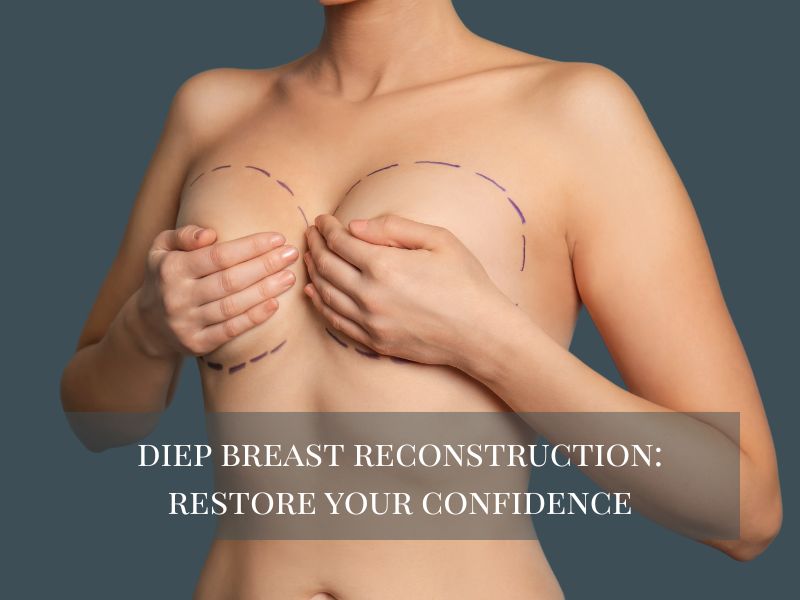
DIEP Breast Reconstruction is one of the most advanced surgical options available for women who want to restore their breast shape after mastectomy. At Aesthera Plastic Surgery, Dr. CV and his skilled team of plastic surgeons use this innovative technique to rebuild a natural-looking breast using the patient’s own tissue, offering long-term, aesthetic, and emotional benefits after breast cancer surgery.
Breast reconstruction can be performed immediately following a mastectomy or as a delayed procedure after radiation treatment. Understanding how DIEP flap surgery works and whether it’s right for you can help you make confident, informed decisions about your breast cancer treatment and recovery.
Introduction to Breast Reconstruction
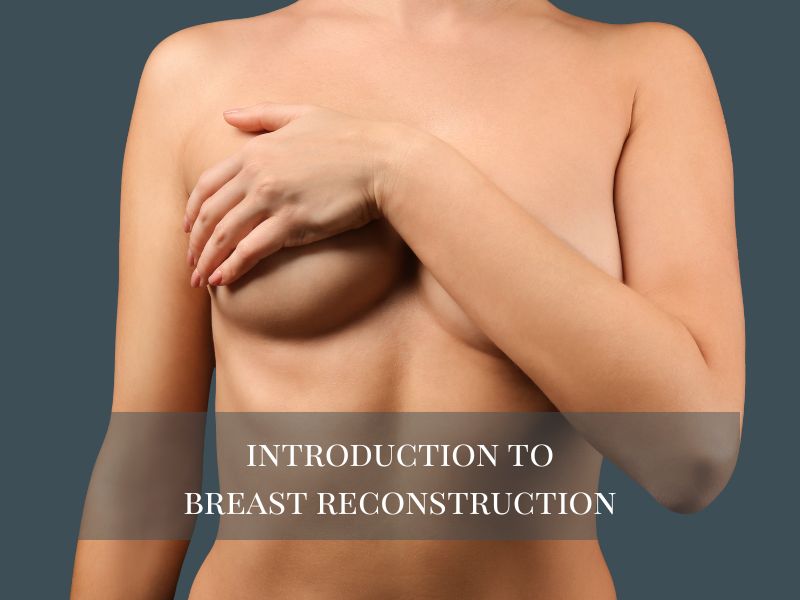
Breast reconstruction surgery restores the shape and symmetry of the breast after a mastectomy or lumpectomy. Various reconstructive breast surgery techniques exist, but one of the most popular among breast cancer patients is the DIEP flap breast reconstruction, which uses a patient’s own abdominal tissue to create a new breast.
Unlike implant reconstruction, which involves inserting a prosthetic device, DIEP flap breast reconstruction uses living tissue from the lower abdomen. Because it uses the patient’s own skin, fat, and blood vessels, the reconstructed breast feels soft, warm, and natural to the touch. Plastic surgeons who specialize in reconstructive and microsurgical breast surgery can help determine if DIEP flap surgery is the right approach for each patient.
What Is DIEP Flap
The term DIEP flap stands for Deep Inferior Epigastric Perforator flap. It refers to the blood vessels, skin, and fatty tissue located in the lower abdomen that are used to reconstruct the breast after a mastectomy. In this procedure, the surgeon transfers abdominal tissue — but not muscle — to the chest to create a natural breast mound.
This technique is different from older flap surgeries, such as the TRAM flap, which involved removing a portion of the abdominal muscle. In DIEP flap surgery, the abdominal muscles are preserved, which significantly reduces the risk of abdominal wall weakness, hernia, or long-term pain.
During a DIEP flap breast reconstruction, the surgeon carefully isolates the deep inferior epigastric artery and its perforator blood vessels, transfers the skin and fat from the abdomen to the chest, and reconnects the blood vessels under a microscope. This process, known as microsurgical breast reconstruction, ensures a reliable blood supply for the new breast.
DIEP Flap Breast Reconstruction Procedure
The DIEP flap procedure involves a series of precise surgical steps:
- Under general anesthesia, the surgeon makes an incision in the lower abdomen, similar to that used in a tummy tuck.
- A section of skin, fat, and tiny blood vessels — called a tissue flap — is removed from the abdomen while preserving the rectus abdominis muscle.
- The tissue is transferred to the chest, where the surgeon reconnects the deep inferior epigastric artery to blood vessels in the chest wall using microsurgery.
- The new tissue is shaped into a natural-looking breast mound.
- The abdominal incision is then closed, tightening the abdominal skin for a smoother contour.
Depending on the treatment plan, DIEP flap surgery can be performed as an immediate reconstruction (at the same time as breast cancer surgery) or as a delayed reconstruction (after radiation treatment or once healing from mastectomy is complete).
Benefits of DIEP Reconstruction
DIEP flap reconstruction offers numerous advantages over other reconstructive methods:
- Creates a natural breast that looks, feels, and moves like real breast tissue.
- Avoids the use of a breast implant, reducing long-term maintenance and the risk of implant rupture or capsular contracture.
- Preserves abdominal muscles, minimizing the risk of weakness or hernia.
- Provides a tummy tuck effect, since skin and fat are removed from the lower abdomen.
- Can be performed immediately or delayed, depending on each patient’s breast cancer treatment plan.
- Offers excellent long-term durability and aesthetic results with fewer revisions than implant-based reconstructions.
Candidacy for DIEP Flap Surgery
Ideal candidates for DIEP flap breast reconstruction are women who:
- Have enough abdominal tissue (fat and skin) to create a new breast mound.
- Are in good overall health and non-smokers (smoking affects blood supply and healing).
- Have undergone or are planning a mastectomy or double mastectomy.
- Prefer a reconstruction using their own tissue instead of breast implants.
Patients who have had extensive abdominal surgery or have limited lower abdominal tissue may not be good candidates for the procedure. In these cases, other flap procedures like the PAP flap, SGAP flap, or SIEA flap may be recommended. A consultation with an experienced plastic surgeon is essential to determine suitability.
Preparing for DIEP Flap Surgery
Preparation for DIEP flap surgery starts weeks before the operation. Patients are typically advised to:
- Stop smoking to improve circulation and reduce the risk of complications.
- Avoid certain medications that thin the blood.
- Arrange for help at home during the first few weeks of recovery.
- Undergo imaging studies such as CTA or MRA scans to map the deep inferior epigastric perforator vessels in the abdomen.
In some cases, tissue expanders may be used during the mastectomy to preserve breast skin for a future delayed DIEP flap reconstruction.
Deep Inferior Epigastric Artery in DIEP Flap
The deep inferior epigastric artery plays a crucial role in this procedure. It supplies blood to the lower abdominal tissue used to reconstruct the breast. During surgery, the surgeon connects this artery and vein to the internal mammary vessels in the chest. This step ensures healthy blood flow through the transferred flap and helps maintain the viability of the new breast tissue.
Because the abdominal muscles remain intact, patients retain core strength and reduce the risk of abdominal wall weakness or hernia — a major improvement over older reconstructive techniques.
Breast Surgery and DIEP Flap
Breast surgery and DIEP flap reconstruction can be performed at the same time or separately. When done immediately, the DIEP flap replaces the removed breast tissue during the same operation as the mastectomy. When performed later, it is called a delayed reconstruction and typically follows completion of radiation treatment.
A team of plastic surgeons and breast surgeons collaborate closely to provide the best results. Factors like medical history, cancer stage, and personal goals are considered before proceeding with the DIEP flap procedure.
Apex Flap in Breast Reconstruction
In cases where there is not enough abdominal tissue for DIEP flap surgery, surgeons may use alternative donor sites. The apex flap and other techniques such as the PAP flap, SGAP flap, and profunda artery perforator (PAP) flap use tissue from the thigh or buttock to reconstruct the breast.
Sometimes, these flaps are combined in a stacked DIEP flap procedure, which uses multiple tissue segments to achieve the desired breast volume. These methods provide flexibility for patients who are not ideal candidates for DIEP flap reconstruction.
Breast Implant vs DIEP Flap
Both breast implants and DIEP flap reconstruction can effectively restore breast shape, but they differ significantly.
Breast implants use silicone or saline prosthetics placed under the skin or muscle. They involve shorter surgery and faster recovery but may require future replacements and carry risks such as rupture or firm scar tissue (capsular contracture).
DIEP flap reconstruction, on the other hand, uses the patient’s own fatty tissue and blood vessels, resulting in a soft breast that looks and feels natural. It involves a longer initial recovery but generally offers more lasting results with fewer complications over time.
Recovery and Aftercare
Recovery after DIEP flap breast reconstruction requires patience and proper care. Patients typically stay in the hospital for three to five days so doctors can monitor the flap’s blood flow.
During the first few weeks, rest is crucial. Patients should avoid lifting heavy objects, driving, or strenuous activities. Pain medication may be prescribed to ease discomfort.
After four to six weeks, patients can gradually resume light activity. Full recovery may take up to three months, depending on individual healing. Regular follow-up appointments with the surgeon ensure that both the reconstructed breast and abdominal donor site heal properly.
Nipple Reconstruction
After the new breast has healed, many patients choose to undergo nipple reconstruction to complete their aesthetic results. The surgeon creates a new nipple and areola using local skin or tissue, followed by tattooing to match the color and shape of the natural nipple.
This final step can often be done under local anesthesia and provides a more balanced and natural appearance.
Breast Cancer and DIEP Flap Reconstruction
For breast cancer patients, DIEP flap reconstruction can be life-changing. It allows women to restore their breasts after mastectomy while avoiding implants. The reconstructed breast not only improves physical appearance but can also help patients regain a sense of wholeness and confidence after breast cancer treatment.
Because DIEP flap surgery uses autologous tissue, it is often preferred after radiation treatment, as it withstands radiation effects better than implants. Whether performed as immediate or delayed reconstruction, it is considered a gold standard for long-term, natural results.
Finding a Qualified Surgeon
Choosing the right surgeon is one of the most important steps in the DIEP flap process. At Aesthera Plastic Surgery, Dr. CV emphasizes patient education and individualized care to ensure every reconstruction is safe, precise, and beautifully natural. When selecting your specialist, look for:
- A board-certified plastic surgeon with extensive experience in DIEP flap breast reconstruction.
- Before and after photos of previous patients and experiences.
- Transparent discussion of success rates and potential complications.
- A surgeon who works closely with oncologists and breast cancer specialists.
- A caring, communicative team that supports you before and after surgery.
Finding a qualified expert ensures that your breast reconstruction is both safe and beautifully executed.
FAQ: Diep Breast Reconstruction
What is DIEP flap breast reconstruction?
DIEP flap breast reconstruction uses skin, fat, and tiny blood vessels from the lower abdomen to create a new breast after mastectomy. It’s a type of microsurgical breast reconstruction that preserves the abdominal muscles.
How is DIEP flap different from TRAM flap surgery?
The TRAM flap removes part of the abdominal muscle, which can cause weakness or hernia. The DIEP flap, however, spares the muscle and uses only fat and blood vessels, reducing the risk of abdominal complications.
Who is a good candidate for DIEP flap surgery?
Good candidates have sufficient abdominal tissue, are in good health, and prefer a natural reconstruction. Women with significant prior abdominal surgery may not qualify and might be advised to consider other flap procedures.
How long is recovery after DIEP flap surgery?
Most patients return to light activity within six weeks and fully recover within two to three months. Recovery time varies depending on the individual and whether one or both breasts were reconstructed.
Does insurance cover DIEP flap reconstruction?
Yes. In most cases, insurance covers DIEP flap breast reconstruction as part of breast cancer treatment, including related procedures such as nipple reconstruction or revisions.
Will my new breast look natural?
Yes. Since the breast is made from your own fatty tissue, it feels soft and natural. Over time, it may even change with your body weight, providing realistic and long-lasting results.
Schedule Your Breast Reconstruction Consultation
If you’re considering Breast Reconstruction, schedule a consultation with Dr. CV at Aesthera Plastic Surgery to discuss your options. Our experienced team will guide you through each step of your reconstructive journey, ensuring you receive personalized care and beautiful, natural results. Take the next step toward feeling confident and complete again, contact Aesthera Plastic Surgery today to book your appointment.