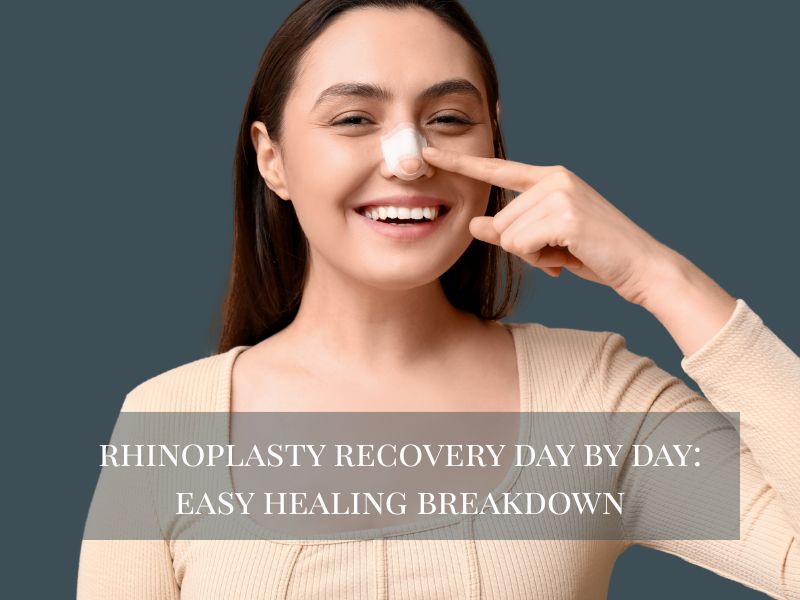
Rhinoplasty Recovery Day by Day is one of the most common topics patients want to understand before having nose surgery. At Aesthera Plastic Surgery with Dr. CV Chegireddy, patients receive clear guidance on what to expect, making the process easier and less stressful. Since rhinoplasty surgery is a facial plastic surgery procedure, knowing what the first days and weeks look like helps reduce anxiety and prepares you for a smoother experience.
Rhinoplasty recovery varies from person to person, but most patients share similar stages in the healing process. When you understand how your rhinoplasty recovery timeline works and follow Dr. CV Chegireddy’s instructions, your rhinoplasty recovery journey becomes more predictable, comfortable, and safe.
Preparation for Recovery
Before undergoing rhinoplasty surgery, it helps to plan ahead so your recovery process is easier. Prepare your home and schedule so you can fully rest during the initial healing phase.
Key steps to take before your rhinoplasty procedure include:
- Stocking your home with soft foods, water, and healthy snacks
- Following your surgeon’s guidance on medications to avoid
- Setting up a recovery space with pillows to keep your head elevated
- Preparing ice packs, cold compresses, and saline spray
- Arranging help for driving or household needs
Eating a balanced diet rich in vitamins and minerals before and after surgery supports the healing process and helps reduce swelling and bruising. Following your rhinoplasty specialist’s preparation advice can make a meaningful difference in your recovery journey.
Immediate Post-Surgery Care
After the surgical procedure, patients experience swelling, bruising, nasal congestion, and discomfort. This is completely normal and can be managed with prescription pain medication and cold compresses.
Important early-care steps include:
- Keeping the head elevated to reduce swelling
- Using cold compresses around the nose
- Avoiding strenuous activities and bending over
- Not blowing the nose
- Avoiding glasses resting on the bridge of the nose
- Using saline spray for nasal passages (if approved)
Most patients leave the surgical center with a nasal splint, internal splints, or packing to support the surgical site and the healing process. Swelling and bruising typically peak around day 2–3.
Managing Discomfort
Pain management is an essential part of the rhinoplasty recovery process. Patients often describe discomfort as pressure, congestion, or a slight feeling of heaviness due to internal swelling.
Ways to reduce discomfort include:
- Taking surgeon-approved pain medication
- Using ice packs during the first 48–72 hours
- Staying hydrated
- Eating a healthy diet low in sodium
- Avoiding smoking, caffeine, and alcohol
- Getting plenty of rest and avoiding intense activities
Following the surgeon’s instructions ensures a smooth healing process and lowers the risk of complications.
Rhinoplasty Recovery Day by Day: What to Expect
Here is a simplified overview of the rhinoplasty recovery day by day stages. Although every patient heals at a different pace, most patients follow a similar recovery timeline.
Day 1: Surgery Day
After waking up from general anesthesia, you may feel groggy and congested. Expect:
- Mild bleeding or drainage
- Pressure around the eyes and nose
- Strong nasal congestion due to internal swelling
- The need for rest and hydration
This marks the start of your initial healing phase.
Day 2–3: Peak Swelling and Bruising
These days are typically the most intense. You may experience:
- Increased swelling and bruising
- Puffy cheeks and under-eye discoloration
- More noticeable nasal obstruction
- Expected discomfort manageable with medication
Applying cold compresses during this period can help reduce swelling and discomfort.
Day 4–6: Early Signs of Improvement
Although swelling and bruising remain, patients tend to feel better. During this time:
- Pressure begins to decrease
- Energy levels increase slightly
- Nasal congestion may improve a bit
- Discomfort becomes easier to manage
Your nose begins very subtle changes as the internal swelling shifts.
Day 7: Splint Removal and First Follow-Up
At your surgeon’s follow-up visit, the nasal splint is often removed. By day 7:
- Bruising has faded significantly
- Swelling begins slowly improving
- Breathing may still feel limited
- The nose may appear swollen or “puffy,” which is normal
This is an important milestone in the rhinoplasty recovery day experience.
Week 2: Light Activity Resumes
During the second week, noticeable improvements occur:
- Less nasal obstruction
- Return to light exercise (like walking)
- Reduced need for pain medication
- Better overall comfort
Some subtle swelling remains, especially in the nasal tip.
Weeks 3–4: Clear Healing Progress
By weeks 3–4, patients often feel more comfortable returning to daily routines. Expect:
- Continued decrease in swelling
- Ability to return to work if not already
- More normal breathing
- Higher confidence in appearance
Still, avoid heavy lifting and anything that may impact the nose.
Weeks 6–8: Structural Changes Become Visible
During this stage:
- The shape of your nose becomes more noticeable
- Many restrictions lift
- Internal swelling remains but decreases steadily
The recovery journey continues, but significant progress is seen.
3–6 Months: Refinement Phase
Between months 3 and 6:
- Residual swelling continues to decrease
- The nasal tip becomes more defined
- Breathing usually improves
- The nose begins settling into its final shape
Healing is still ongoing, especially after open rhinoplasty.
1 Year: Final Results
The complete rhinoplasty recovery time typically reaches 12 months. At this point:
- Most or all swelling is gone
- The nose looks natural and refined
- Internal tissues have stabilized
- Final results are clear
Your facial plastic surgeon will confirm proper healing and symmetry.
Nutrition and Hydration
Nutrition is a key part of the recovery process. To support healing:
- Drink plenty of water
- Avoid salty foods that contribute to swelling
- Eat fruits, vegetables, lean proteins, and whole grains
- Follow surgeon recommendations on supplements
Good nutrition promotes wound healing and reduces complications.
Choosing the Right Surgeon
Selecting a qualified rhinoplasty surgeon is one of the most important decisions you can make. Look for board certification, extensive experience in rhinoplasty procedures, positive patient reviews, clear before-and-after photos, and strong communication with detailed aftercare instructions.
Choosing an experienced surgeon, like Dr. CV Chegireddy at Aesthera Plastic Surgery, helps ensure a safer experience and supports a smoother, more successful recovery.
The Healing Process

The healing process is gradual. Your nose will go through different stages involving:
- Swelling and bruising
- Internal tissue healing
- Subtle shape changes
- Long-term refinement
Consistent follow-up care and adherence to instructions ensure proper healing.
Recovery Period
The recovery period varies, but patients generally notice major improvements within a few weeks. A smooth recovery requires patience, hydration, good nutrition, gentle activity, and strict attention to your surgeon’s guidance.
By prioritizing recovery, patients achieve the best results and long-term satisfaction with their new nose.
FAQs: Rhinoplasty Surgery Recovery Day by Day
What is the rhinoplasty recovery day by day experience like?
The rhinoplasty recovery day by day experience includes swelling, bruising, and congestion in the first week, followed by slow and steady improvements. Most patients feel much better by week two, with major swelling decreasing over the next few weeks. Final results may take up to a year.
How long does full rhinoplasty recovery take?
The full rhinoplasty recovery timeline typically takes 12 months, although most patients return to normal activities within a few weeks. Residual swelling, especially in the nasal tip, can last for several months during the healing process.
How can I reduce swelling after rhinoplasty?
Keeping your head elevated, using cold compresses in the early days, staying hydrated, and reducing salt intake can help minimize swelling. Following your surgeon’s aftercare instructions is essential for proper healing.
What is non-surgical rhinoplasty?
Non-surgical rhinoplasty is a cosmetic treatment that uses dermal fillers to temporarily improve nose shape without surgery. It can smooth bumps or improve symmetry, but it does not reduce nose size or correct breathing issues like surgical rhinoplasty.
Will rhinoplasty leave scars?
Most rhinoplasty scars are minimal and often hidden inside the nose. When small external incisions are needed, they are typically placed in natural creases, making rhinoplasty scars hard to notice once healing is complete.
What is the difference between septoplasty vs rhinoplasty?
Septoplasty vs rhinoplasty comes down to function versus appearance. Septoplasty corrects a deviated septum to improve breathing, while rhinoplasty reshapes the nose for cosmetic or structural reasons. In some cases, both procedures are performed together.
Schedule Your Rhinoplasty Consultation at Aesthera Plastic Surgery
If you’re considering Rhinoplasty, scheduling a consultation with Dr. CV Chegireddy at Aesthera Plastic Surgery is the best way to understand your options and create a personalized treatment plan.
Dr. CV provides expert guidance, evaluates your unique facial features, and explains what to expect throughout the rhinoplasty procedure and recovery process. Contact the office today to begin your journey toward improved confidence and natural-looking results.