At Aesthera Plastic Surgery with Dr. CV Chegireddy, a rhinoplasty-specialized facial plastic surgeon, patients receive clear guidance and tailored support to better understand these early swelling stages and feel more confident throughout recovery.
1 Week Rhinoplasty Swelling Stages is one of the most common concerns patients have when preparing for rhinoplasty surgery. Knowing what to expect during this early part of the healing process helps reduce anxiety and gives you a clear idea of what is normal. Since a nose job is a facial plastic surgery procedure that affects delicate nasal tissues, some swelling after rhinoplasty is expected.
Preparing for Recovery
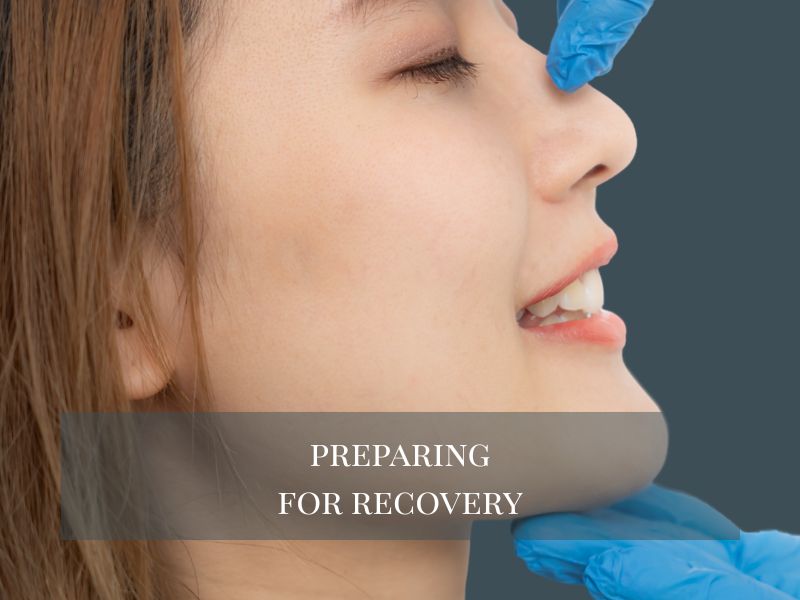
Before undergoing rhinoplasty, preparing your home and environment can help you feel more comfortable during the recovery period. Patients should gather essential supplies ahead of time, such as cold compresses, extra pillows to keep the head elevated, soft clothing, and foods that don’t require chewing. These small steps support comfort during the first few days of the rhinoplasty recovery process.
Because rhinoplasty is usually an outpatient procedure, patients must arrange transportation home after surgery and have someone stay with them for at least 24 hours. A full understanding of the rhinoplasty procedure and healing process helps future patients feel more confident about what lies ahead. Following the surgeon’s instructions, scheduling and attending all follow-up appointments, and asking questions when needed helps minimize risks and supports optimal results.
Acute Swelling Stage
The acute swelling stage typically lasts 7–10 days and represents the period with the most significant swelling. During this time, patients may see bruising around the eyes, swelling on the nasal bridge, and noticeable pressure in the nasal tissues. This is considered a normal part of the healing process for most rhinoplasty patients.
In this stage, expect initial swelling to peak around days 3–4. Internal swelling may also cause difficulty breathing, especially when nasal dressings are in place. For many patients, the nasal tip appears rounder because of tip swelling, and this can last longer than other areas of the nose. Cold compresses, rest, and keeping your head elevated are essential during this time to help control swelling and promote proper healing.
Managing Swelling and Discomfort
Managing swelling and discomfort is one of the most important parts of the rhinoplasty recovery experience. Surgeons typically recommend gentle care techniques to help reduce swelling safely.
Helpful techniques to manage swelling:
- Apply cold compresses during the first 48 hours to slow blood flow near the surgical site
- Keep your head elevated day and night
- Avoid bending forward or lifting objects that can increase blood pressure
- Follow your surgeon’s pain medication plan
- Stay hydrated and follow a low-sodium diet to reduce fluid retention
Patients should also avoid strenuous activities and strenuous exercise during the first couple of weeks because they can worsen swelling. Monitoring the healing process closely helps ensure proper healing and reduces the risk of complications.
Post-Operative Care
Effective post-operative care is crucial for a successful recovery. Patients should follow every instruction provided by their surgeon, including how to care for the incision areas, how to clean around the nose safely, and how to take prescribed medications. Good care reduces the risk of infection and supports the body’s natural healing process.
Keeping the nasal dressings clean and dry is an important part of post-operative care. Avoid touching or bumping the nose to protect the nasal tissues. Attending all scheduled follow-up appointments allows the surgeon to check your healing progress and intervene early if complications or post operative swelling concerns arise.
Optimal Recovery Tips
Following your surgeon’s rhinoplasty recovery tips plays a major role in maintaining comfort and achieving optimal recovery. These recommendations support circulation, minimize discomfort, and help you feel more in control during your healing journey.
Key tips for a smoother recovery include:
- Applying cold compresses during the early days
- Keeping the head elevated at all times
- Avoiding strenuous exercise, smoking, and alcohol
- Eating soft, hydrating foods
- Minimizing salt intake to reduce fluid retention
Getting enough rest supports the healing process and helps your body recover more efficiently. These lifestyle choices have a noticeable impact on swelling and comfort during your recovery timeline.
Reducing Swelling and Promoting Healing
Reducing swelling is one of the main goals for patients during the first week of recovery. Although swelling after rhinoplasty is expected, proactive care helps improve comfort and encourages a faster recovery.
Patients can support healing by:
- Using cold compresses
- Sleeping with the head elevated
- Avoiding sodium-rich foods
- Drinking enough water
- Avoiding activities that increase blood pressure
- Taking approved medications as directed
Even with excellent care, the swelling stages take time. Post rhinoplasty swelling typically improves gradually, and the body continues healing long after the first week.
Follow-Up Appointments
Follow-up appointments are an essential part of monitoring the healing process. Your surgeon will evaluate swelling, incision areas, nasal structure, and any concerns you may have. Consistent check-ins help maintain a safe recovery pathway.
Patients should attend every scheduled visit even if they feel the healing is going well. Surgeons may adjust nasal dressings, evaluate healing progress, or provide new instructions based on how your nose responds to the procedure. Open communication helps ensure successful recovery.
Understanding the Recovery Timeline
The rhinoplasty recovery timeline varies by patient, but most follow predictable healing patterns. The first week typically involves the most noticeable swelling, but after day 7, many patients see improvement.
Common stages include:
- Acute swelling stage (Week 1)
- Subacute swelling stage (Weeks 2–4)
- Long-term healing stage (Months 2–12)
Most patients notice that the most noticeable swelling subsides around weeks 2–3, but subtle swelling, especially around the nasal tip, can persist for several months. Primary rhinoplasty patients often heal faster than those undergoing revision rhinoplasty or patients with thicker skin.
Factors Affecting Recovery
Multiple factors can influence the rhinoplasty recovery process:
- Type of rhinoplasty procedure performed
- Overall health and lifestyle habits
- Skin thickness and nasal structure
- Surgical technique
- Ability to follow your surgeon’s instructions
- Whether it is a primary or revision rhinoplasty
Patients with certain medical conditions, or those who do not follow post-operative instructions, may experience prolonged swelling. It’s important to communicate any concerns so your surgeon can guide you appropriately.
Returning to Normal Activities

Patients can usually resume light activities within 1–2 weeks, but strenuous exercise should be avoided for at least 3–4 weeks. Activities that risk affecting the nose should also be avoided to protect the nasal bridge and tip. A gradual return to daily routines supports healing and prevents complications. Patients should always follow their surgeon’s instructions when deciding how quickly to resume normal life.
Choosing the Right Surgeon
Selecting an experienced, board-certified facial plastic surgeon is essential for safe surgery and excellent healing. A skilled surgeon creates a surgical plan that minimizes trauma to nasal tissues and supports a healthy recovery process. At Aesthera Plastic Surgery with Dr. CV Chegireddy, patients benefit from a rhinoplasty-focused approach that prioritizes precision, safety, and a supportive recovery experience. A professional surgeon provides:
- A clear explanation of the healing process
- Guidance on the swelling stages
- Personalized instructions
- Long-term support during the recovery journey
A thorough rhinoplasty consultation helps patients understand the procedure, expectations, potential risks, and healing milestones.
FAQs: 1 Week Rhinoplasty Swelling Stages
How much swelling is normal during the first week?
During the first week, post rhinoplasty swelling is typically at its peak. Most patients experience noticeable swelling around the nasal bridge, eyes, and tip. This is part of the healing process and improves gradually.
Why is my nasal tip still swollen?
Tip swelling often lasts longer because the nasal tip contains delicate structures and may have thicker skin. Even after the most significant swelling fades, the tip can take months to refine.
How can I reduce swelling safely?
The best ways to reduce swelling include keeping your head elevated, applying cold compresses, staying hydrated, lowering salt intake, and avoiding strenuous activities. These steps help support healing and minimize discomfort.
When does the swelling subside noticeably?
For most patients, the most noticeable swelling subsides within two to three weeks. However, subtle swelling may continue for several months as the nasal tissues settle.
Will rhinoplasty leave scars?
Most rhinoplasty procedures leave no visible scars. If an open rhinoplasty is performed, the small incision scar usually heals well and fades over time.
Schedule Your Rhinoplasty Consultation
Scheduling your Rhinoplasty consultation is the best way to receive guidance tailored to your goals, anatomy, and recovery expectations. At Aesthera Plastic Surgery with Dr. CV Chegireddy, you’ll receive a detailed evaluation, a personalized surgical plan, and clear instructions to support a safe and smooth healing journey.
Dr. CV will walk you through the swelling stages, expected timeline, and everything you need to know for a confident and well-prepared experience.