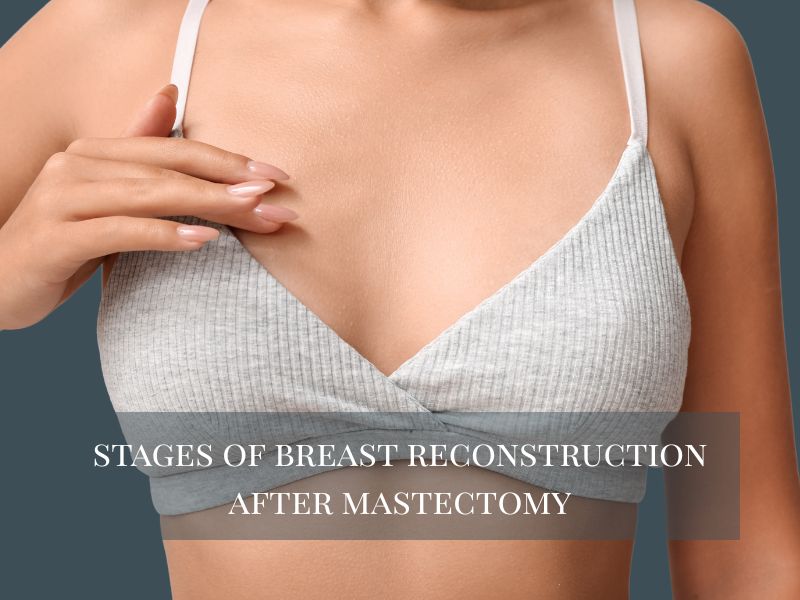
Breast reconstruction surgery offers women the opportunity to restore confidence and balance after breast cancer treatment. At Aesthera Plastic Surgery, Dr. CV Chegireddy and his team are dedicated to helping patients regain a sense of wholeness through personalized, advanced reconstructive techniques. Understanding the stages of breast reconstruction after mastectomy helps patients prepare emotionally and physically for the journey ahead.
After a mastectomy, women may choose breast reconstruction to recreate the natural shape and symmetry of the breast. This process may occur immediately after the mastectomy or be delayed until after other cancer treatments are completed. The goal is not only to rebuild the breast mound but also to help patients feel whole again.
Introduction to Breast Cancer and Reconstruction
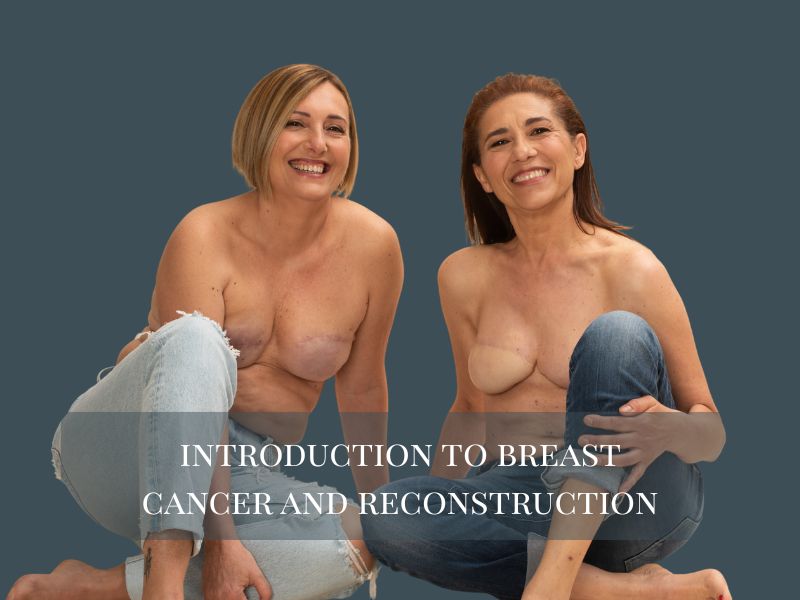
Breast reconstruction surgery is a procedure designed to recreate one or both breasts following mastectomy or lumpectomy due to breast cancer. Today, there are several breast reconstruction options available, and advances in reconstructive surgery have made it possible for most women to achieve natural-looking results that improve comfort and body image.
The reconstructed breast can be created using breast implants or the patient’s own tissue, such as skin and fat from the abdomen, thighs, or back. Modern breast reconstruction techniques allow for greater customization and aesthetic results tailored to each patient’s anatomy and goals.
Reconstruction may take place at the same time as the mastectomy (immediate reconstruction) or months later (delayed reconstruction) after other treatments like radiation therapy have been completed.
Types of Breast Reconstruction Surgery
There are two main types of breast reconstruction procedures:
1. Implant-Based Reconstruction
This technique uses breast implants, such as silicone implants or saline implants, to recreate the breast mound.
- Often involves tissue expansion to gradually stretch the chest wall muscles and local skin.
- Can be completed in one or two stages, depending on the patient’s anatomy and healing.
- Recovery time is typically shorter than tissue-based procedures.
2. Autologous Tissue (Flap) Reconstruction
This approach uses the patient’s own tissue—taken from a donor site such as the lower abdomen or back—to create the new breast.
Common flap reconstruction methods include:
- DIEP flap: Uses skin and fat from the abdomen while leaving blood supply intact.
- TRAM flap: Uses abdominal tissue along with part of the rectus abdominis muscle.
- Latissimus dorsi flap: Takes tissue from the back, sometimes combined with a breast implant.
- PAP, TUG, and SGAP flaps: Use tissue from the thighs or buttocks for patients without enough abdominal tissue.
Each flap technique provides a soft, natural feel and long-lasting results, though recovery can take longer.
Breast Implant Options
Breast implant surgery is one of the most common breast reconstruction techniques due to its predictability and relatively simple recovery. Patients can choose between saline and silicone implants, both approved by the FDA.
Key considerations for implant-based reconstruction:
- May be done in a single surgery (direct-to-implant) or in two stages with a tissue expander.
- Implants come in various sizes and shapes, helping achieve symmetry with the unaffected breast.
- Implant reconstruction can be ideal for patients who prefer shorter recovery time and less invasive procedures.
However, breast implants may require future revisions due to aging, capsular contracture, or changes in breast tissue over time.
Flap Reconstruction Techniques
For women seeking the most natural shape and feel, flap reconstruction offers excellent results.
Popular flap techniques include:
- DIEP Flap Reconstruction: Uses skin and fat from the abdomen while sparing muscles, resulting in a soft, natural reconstructed breast and a flatter stomach.
- TRAM Flap Reconstruction: Similar to DIEP but includes part of the abdominal muscle, sometimes used when blood vessel quality limits DIEP flap eligibility.
- Latissimus Dorsi Flap: Uses tissue from the back to recreate the breast mound, often combined with an implant for added volume.
While these flap procedures require longer recovery and may cause mild donor site discomfort, they offer durable, aesthetic, and natural-looking results.
Delayed Reconstruction Considerations
Delayed reconstruction is performed after the completion of cancer treatments like radiation therapy or chemotherapy. This approach allows the mastectomy site to heal fully before starting reconstruction.
Benefits of Delayed Reconstruction:
- Reduced risk of complications when combined with radiation.
- Allows patients more time to consider type of breast reconstruction and recovery options.
- Often results in improved wound healing and overall safety.
However, it may involve more than one surgery and a longer timeline to reach the final result. Patients should discuss timing and expectations with their plastic surgeon to determine the best approach for their individual needs.
Breast Reconstruction Procedure Overview
The breast reconstruction procedure can vary depending on the chosen method but generally includes the following stages:
- Mastectomy: Removal of the breast tissue, sometimes preserving the nipple and areola (nipple-sparing mastectomy).
- First Stage: Placement of a tissue expander or creation of a flap reconstruction.
- Second Stage: Implant placement or refinement of the reconstructed breast shape.
- Optional Stages: Nipple reconstruction or fat grafting to enhance contour and symmetry.
The procedure is typically performed under general anesthesia or intravenous sedation and may take several hours. Recovery time depends on the type of reconstruction, ranging from a few weeks to a few months.
Mastectomy Site Preparation
Proper mastectomy site preparation ensures successful reconstruction.
- The chest wall must be evaluated to ensure adequate blood flow and absence of infection.
- Any scar tissue or damaged skin is removed to create a healthy foundation.
- The chest muscles are preserved when possible to support the breast implant or flap reconstruction.
- Surgeons assess the breast size, skin quality, and overall health before proceeding.
This preparation is critical for minimizing complications and optimizing aesthetic results.
Breast Reconstruction Stages
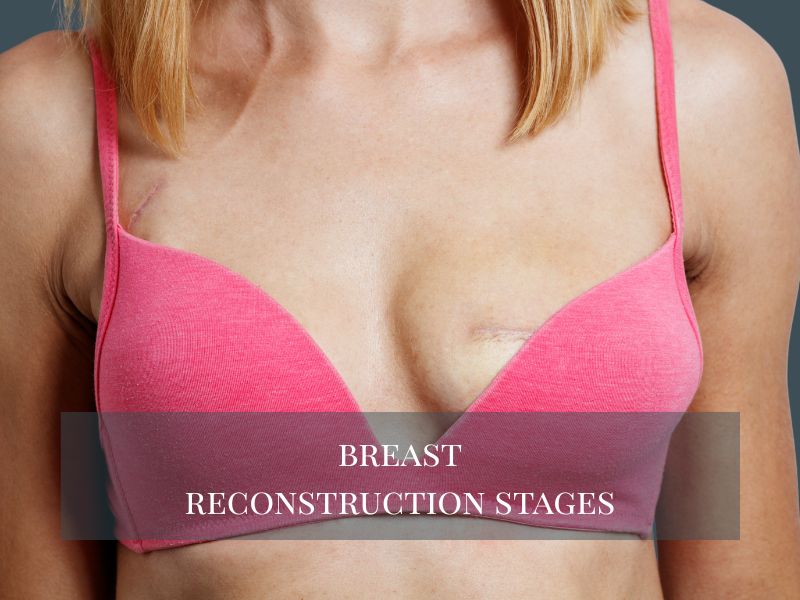
Most breast reconstruction stages involve two stages, though some patients may require additional refinement procedures.
First Stage: Expansion or Flap Creation
- In implant-based reconstruction, a tissue expander is placed under the chest wall muscles to stretch the skin gradually.
- Saline is added over several weeks until the desired volume is reached.
- In flap reconstruction, the breast mound is created using donor site tissue.
Second Stage: Implant Placement or Refinement
- Once expansion or healing is complete, the tissue expander is replaced with a permanent breast implant.
- In flap-based reconstructions, fat grafting or a breast lift may be performed to refine symmetry.
- Adjustments can also be made to the opposite breast for better proportion.
Additional minor procedures, such as nipple reconstruction, can follow once healing is complete.
Nipple and Areola Reconstruction
Restoring the nipple and areola is often the final step in creating a natural-looking reconstructed breast.
Options include:
- Local skin flaps: The surgeon reshapes nearby skin to form a new nipple.
- Skin grafts: Taken from another body area to create the areola.
- Tattooing: Adds realistic color and shading to match the opposite breast.
This procedure is typically performed under local anesthesia and requires minimal recovery time. It greatly enhances the aesthetic results and helps improve body image for most patients.
Conclusion and Final Outcome
The final result of breast reconstruction depends on the chosen technique, the patient’s healing process, medical history, and the skill of the breast reconstruction surgeon. Whether using implants or your own tissue, most patients achieve symmetrical, natural-looking breasts that restore confidence and comfort.
Although the process may involve more than one surgery, the outcome can be life-changing—helping women feel complete after mastectomy.
Reconstruction is not just about restoring physical form; it’s about rebuilding identity and emotional well-being after breast cancer.
FAQs: Stages of Breast Reconstruction After Mastectomy
What are the stages of breast reconstruction after mastectomy?
Typically, reconstruction occurs in two stages. The first stage involves tissue expansion or flap creation, and the second stage focuses on implant placement, fat grafting, or nipple reconstruction. Some patients may need additional minor procedures for refinement.
Can breast reconstruction be done immediately after mastectomy?
Yes. Immediate reconstruction occurs during the same surgery as the mastectomy, often suitable for patients not requiring post-surgical radiation therapy. Others may opt for delayed reconstruction after completing cancer treatments.
How long is recovery after breast reconstruction surgery?
Breast Reconstruction recovery time varies depending on the technique. Patients with implant-based reconstruction usually recover in a few weeks, while flap procedures may take several months for full healing.
Will my new breast look and feel natural?
Yes, modern breast reconstruction techniques, especially flap reconstruction or fat grafting, provide natural shape and texture. Results improve over time as scar tissue softens and the reconstructed breast settles.
Is breast reconstruction covered by insurance?
In most cases, yes. Under federal law, insurance must cover all stages of breast reconstruction after mastectomy, including surgeries for symmetry and nipple reconstruction.
How much does breast reconstruction cost?
Breast reconstruction cost varies depending on the technique, surgeon, and facility. In many cases related to breast cancer treatment, insurance may cover part or all of the procedure. A consultation will provide an accurate, personalized estimate.
Schedule Your Breast Reconstruction Consultation
Take the next step toward feeling confident and complete again with Breast Reconstruction at Aesthera Plastic Surgery. Under the expert care of Dr. CV Chegireddy, a board-certified plastic surgeon, you’ll receive a personalized treatment plan designed to restore your natural shape and confidence after mastectomy. Schedule your consultation today to explore your reconstruction options and begin your journey toward recovery and renewed self-assurance.