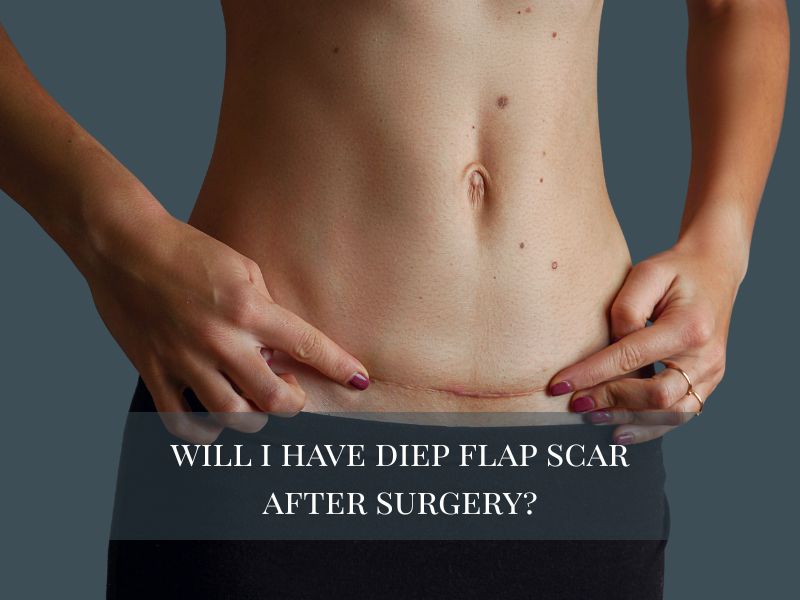
Facing breast cancer and its treatments can be a deeply personal and emotional journey. For many women, exploring breast reconstruction options is an important step in healing and restoring confidence after breast cancer surgery.
The breast reconstruction surgical procedure is designed to recreate the breast mound following mastectomy or lumpectomy, helping patients regain a natural breast shape and symmetry. Depending on your needs, this may involve implant reconstruction or flap reconstruction using your own tissue.
Breast Reconstruction Options After Mastectomy

Breast cancer surgery, such as mastectomy or lumpectomy, removes part or all of the breast tissue to eliminate cancer cells. These procedures can significantly alter the breast’s appearance, but breast reconstruction surgery helps rebuild what was lost.
Plastic surgeons and breast surgeons often work together to plan your reconstruction, ensuring both medical safety and aesthetic goals are achieved. Patients can choose between implant-based breast reconstruction and autologous (flap) reconstruction, depending on their anatomy, cancer treatment plan, and desired results.
Breast reconstruction procedures can help restore the breast mound, improve body image, and support emotional recovery after breast cancer. However, your reconstruction options may depend on factors such as radiation therapy, blood supply, and the condition of your chest wall.
Types of Breast Reconstruction Procedures
Modern plastic surgery techniques offer various ways to rebuild the breast after breast cancer surgery. The two main types of breast reconstruction are implant reconstruction and flap (autologous) reconstruction.
Implant-Based Reconstruction
This approach uses a breast implant (filled with silicone gel or saline) to recreate the breast shape. It’s often chosen for its shorter recovery time and less invasive nature.
Flap (Autologous) Reconstruction
In flap reconstruction, your surgeon uses your own tissue from another area of your body, such as the abdomen, back, thigh, or buttocks, to create a new, natural breast. This option tends to look and feel more like natural breast tissue.
Some patients combine both methods to achieve optimal symmetry and shape.
Implant Reconstruction
Implant reconstruction is one of the most common breast reconstruction options. It involves placing a breast implant under or above the chest muscle to recreate volume and contour.
1. Two-Stage Reconstruction with Tissue Expander
The surgeon first places a tissue expander beneath the chest wall or muscle.
Over time, this expander is gradually filled with saline to gently stretch the skin and prepare space for the permanent implant.
After several weeks or months, a second implant surgery is performed to replace the expander with a silicone gel or saline implant.
2. Direct-to-Implant Reconstruction
In some cases, patients can skip the expander phase and receive their breast implants immediately after breast cancer surgery. This immediate breast reconstruction reduces the number of procedures and recovery time. Here are some of the key benefits of this procedure:
- Shorter recovery time compared to flap surgery
- No additional donor site or further surgery elsewhere on the body
- May feel less natural than autologous tissue
- May require replacement or revision in the future
Implant-based breast reconstruction works best for patients with healthy breast tissue, good blood flow, and no significant radiation damage.
Flap Reconstruction
Flap reconstruction uses autologous tissue (your own skin, fat, and sometimes muscle) to rebuild the breast. This method offers a natural breast feel, long-lasting results, and better adaptation to weight changes.
Common Types of Flap Reconstruction
1. DIEP Flap (Deep Inferior Epigastric Perforator)
- Diep Flap uses tummy tissue (skin and fat) from the lower abdomen without removing the muscle.
- Preserves abdominal strength and is similar to a tummy tuck.
- Provides a soft, natural breast mound with good blood supply.
- Diep Flap recovery tends to be more involved in the early weeks due to the complexity of the procedure, with most patients gradually returning to normal activities over several weeks to months as healing progresses. Learn more about Diep Flap recovery after 6 months.
2. TRAM Flap (Transverse Rectus Abdominis Muscle)
- Uses skin, fat, and part of the rectus abdominis muscle.
- Can be a pedicled or free flap, depending on how the tissue’s blood vessels are reconnected.
- May slightly weaken the abdominal wall.
3. LD Flap (Latissimus Dorsi Flap)
- Uses tissue from the shoulder blade or upper back.
- May be combined with a breast implant to achieve the desired volume.
- Often used for patients who lack sufficient abdominal tissue.
4. TUG Flap and PAP Flap
- These techniques use tissue from the inner thigh or pubic bone area.
- Ideal for patients without enough abdominal tissue or those who’ve had previous tummy surgeries.
5. SIEA, IGAP, and SGAP Flaps
- These advanced free flap options use tissue from the lower abdomen or buttocks while preserving muscle.
- They require skilled plastic surgeons and microsurgery expertise.
Advantages of Flap Reconstruction
- Feels more like a natural breast
- Adapts to weight gain or loss
- Permanent solution (no implant replacements)
- Can improve body contour, especially when using abdominal tissue
Immediate Breast Reconstruction
Immediate breast reconstruction happens at the same time as your nipple-sparing mastectomy or lumpectomy. This approach helps maintain breast shape and skin, reducing overall scarring and emotional distress. Here are some of the key benefits of this procedure:
- Fewer surgeries and hospital stays
- Preserves more natural breast skin and nipple and areola (in nipple-sparing mastectomy)
- Faster return to a realistic appearance and improved body image
However, if radiation therapy is planned, some surgeons recommend delayed reconstruction to avoid complications and preserve blood supply.
Nipple and Areola Reconstruction
After rebuilding the breast mound, many patients choose nipple reconstruction to enhance the realistic appearance of the breast.
This option includes several techniques:
- Surgical nipple reconstruction: Creates a new nipple using local skin on the reconstructed breast.
- Areola tattooing: Adds color and detail to resemble the natural nipple and areola.
- 3D nipple tattooing: Provides highly realistic results without additional surgery.
Some patients may also undergo a nipple-sparing mastectomy, which preserves the original nipple and surrounding tissue, allowing for a more natural result.
Choosing the Right Breast Reconstruction Option
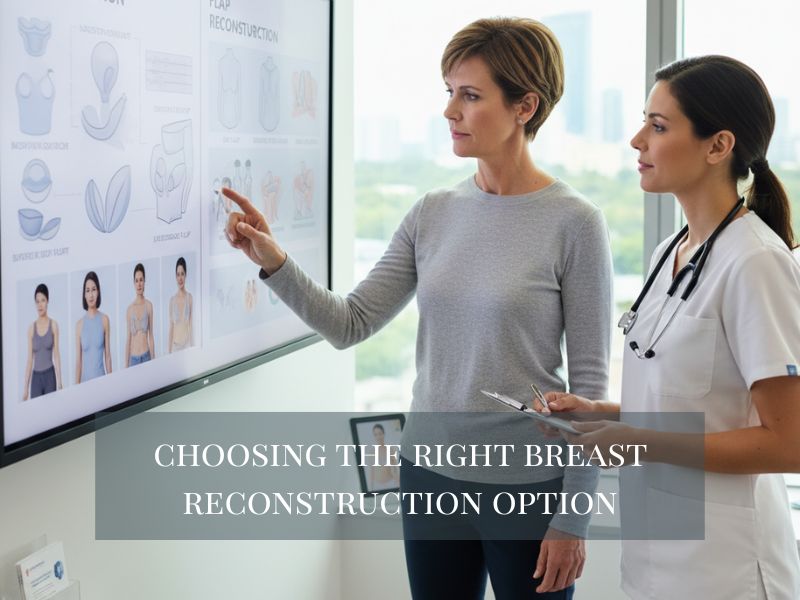
Each woman’s journey is unique. The right breast reconstruction option depends on your anatomy, medical history, and personal preferences.
When deciding, consider:
- Breast size and shape goals
- Recovery time and downtime
- Desire for a natural breast feel
- Willingness for further surgery or longer recovery
- Insurance coverage and possible out-of-pocket breast reconstruction costs
During consultation, plastic surgeons and doctors talk about expectations, discuss risks and benefits, and design a plan that aligns with your health and emotional well-being.
Breast Reconstruction Recovery Time
Breast reconstruction surgery time can take several hours, depending on the technique. Most patients stay in the hospital for a few days. Here is the breast reconstruction recovery timeline:
- Initial healing: 2–4 weeks for implant reconstruction, 4–8 weeks for flap reconstruction
- Full recovery: Up to 3 months for most patients
- Follow-up visits: Regular check-ups ensure proper blood flow and healing
Patients may experience swelling, soreness, and fatigue, which gradually improve. Maintaining healthy habits, such as not smoking, eating well, and avoiding strenuous activity, helps optimize results.
Your reconstructed breast may not have the same sensation as before, but nipple reconstruction and ongoing care can help improve confidence and satisfaction.
Breast Reconstruction Options FAQs
What can breast reconstruction before and after photos show me?
Before and after breast reconstruction photos demonstrate realistic surgical outcomes, healing progression, and aesthetic results from different reconstruction techniques including implants and tissue-based procedures. Photos help set expectations for symmetry, scarring, and overall appearance throughout the 9-12 month reconstruction timeline.
What are the main types of breast reconstruction?
The two main types are implant-based reconstruction and autologous (flap) reconstruction. Implant reconstruction uses breast implants to restore shape, while flap reconstruction uses your own tissue for a natural result. These methods can also be combined in certain cases to enhance volume, improve symmetry, and achieve the most natural-looking outcome.
Can I have immediate breast reconstruction after mastectomy?
Yes. Immediate breast reconstruction is often performed at the same time as mastectomy, allowing you to wake up with a breast shape already in place. This approach can help preserve natural skin and nipple and areola tissue, reduce scarring, and minimize the number of surgeries. However, your eligibility depends on your overall health and breast cancer treatment plan.
How long is the recovery time after breast reconstruction?
Recovery time varies depending on the type of reconstruction. Most patients recover from implant-based reconstruction in about 2–4 weeks, while flap reconstruction can take 4–8 weeks or longer. Your plastic surgeon will guide you through post-operative care, including follow-up visits, to ensure proper healing and good blood flow to the reconstructed area.
Will insurance cover breast reconstruction surgery?
In most cases, insurance coverage includes breast reconstruction after breast cancer surgery, as well as procedures to restore symmetry to the opposite breast. Coverage may vary, so it’s important to discuss your insurance plan details with your care coordinator or breast surgeon before scheduling surgery.
Will my new breast feel natural?
Flap reconstruction offers the most natural breast feel since it uses your own tissue reconstruction, such as skin and fat from the abdomen or thigh. Implant reconstruction also provides beautiful results and a balanced breast shape, though implants may feel firmer than natural breast tissue. Your surgeon will help you choose the best method based on your anatomy and goals.
Ready for Your Breast Reconstruction Consultation?
Take the next step by scheduling a consultation with Dr. CV Chegireddy at Aesthera Plastic Surgery. With advanced expertise in breast reconstruction and a compassionate, personalized approach to women’s care, Dr. Chegireddy will review your options, discuss insurance coverage, and help you move forward with clarity and confidence.