Breast reconstruction revision is a specialized surgical procedure designed to correct or enhance results from a previous breast reconstruction procedures. For many patients who have undergone breast reconstruction after breast cancer, revision surgery plays an important role in achieving a more natural appearance, improving comfort, and addressing complications such as implant rupture or capsular contracture.
This article explores what breast reconstruction revision involves, who may benefit, the different surgical options available, and what patients can expect during recovery. Understanding these aspects helps ensure that each patient achieves the best possible outcome for both function and aesthetics.
What is Breast Reconstruction Surgery
Breast reconstruction is a surgical procedure that restores the breast’s shape and appearance following a mastectomy or lumpectomy, often part of breast cancer treatment and recovery. It helps many women regain a sense of wholeness and confidence after breast loss.
However, not every reconstruction heals or settles as expected. Revision surgery, also called corrective breast surgery, is sometimes needed to address complications, refine the breast shape, or improve symmetry between the reconstructed breast and the opposite breast. Breast implants or flap reconstruction using the patient’s own natural tissue, or a combination of both can be used in these revision procedures.
Breast Reconstruction After Mastectomy
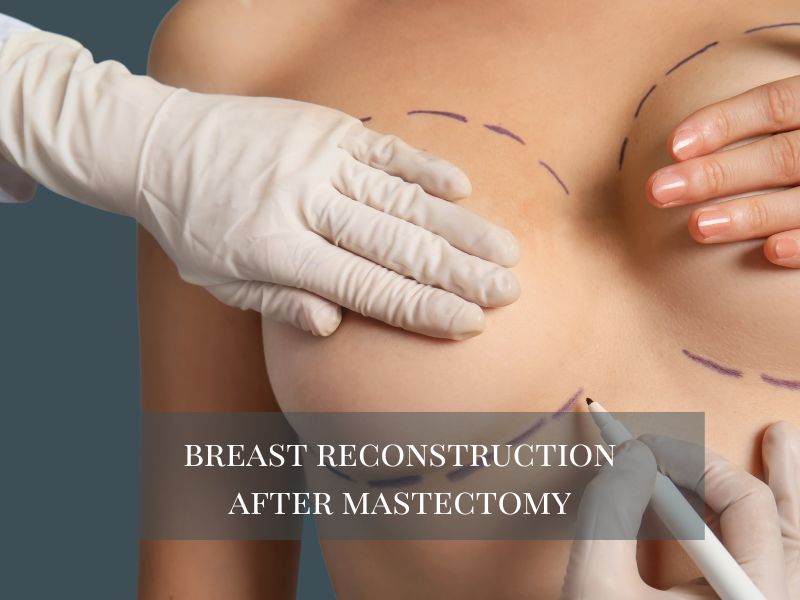
A breast cancer diagnosis and subsequent mastectomy can be emotionally and physically challenging. Breast reconstruction after cancer surgery aims to rebuild the breast mound, restore symmetry, and help patients move forward with confidence. Reconstruction can be performed immediately following mastectomy or delayed until after cancer treatment is complete.
Some of the most common reconstruction techniques include:
- Implant reconstruction: uses saline or silicone breast implants to recreate breast volume.
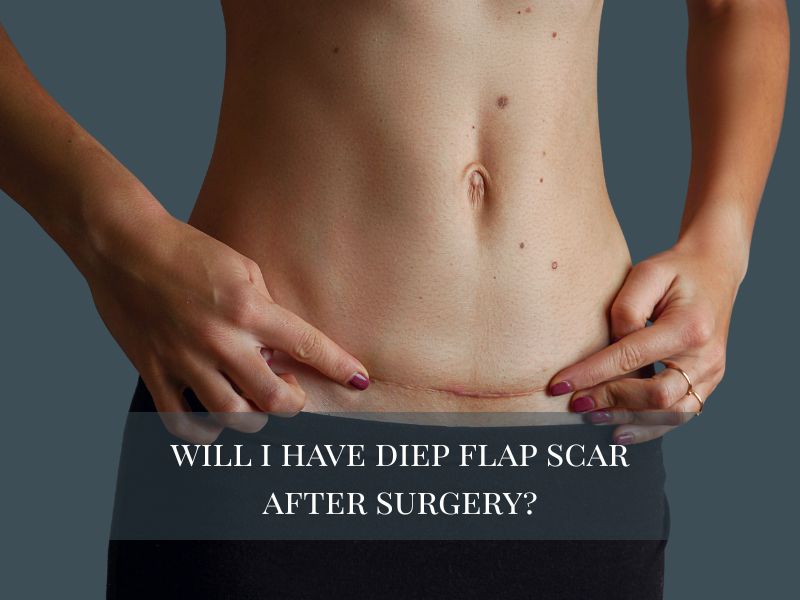
- Autologous or flap reconstruction: uses the patient’s own natural tissue, such as skin and fatty tissue from the lower belly (DIEP flap reconstruction), to create a more natural breast.
Each option has advantages and limitations. Discussing them with a board-certified plastic surgeon ensures that patients understand all surgical options and can make an informed choice that fits their goals and lifestyle.
Breast Implants in Reconstruction
Breast implants remain a common choice for breast reconstruction due to their predictable results and shorter recovery times. Patients can choose between saline and silicone gel implants, and the placement may be above or below the chest muscle.
However, breast implants can be affected by issues such as:
- Capsular contracture: scar tissue forms tightly around the implant, leading to firmness or pain.
- Implant rupture or leakage: may cause visible breast asymmetry or changes in shape.
- Chronic pain or discomfort due to thin skin, scar tissue, or implant position.
In many cases, revision surgery is performed to replace the implant, remove scar tissue, or switch to a different reconstruction method such as fat grafting or autologous tissue reconstruction.
The use of acellular dermal matrix (ADM) has become a valuable technique to reinforce thin skin and improve implant support, enhancing the overall cosmetic appearance and reducing the risk of complications.
Corrective Breast Surgery Techniques
Corrective breast surgery, or revision breast reconstruction, requires both surgical expertise and artistic precision. Every patient’s situation is unique, some may need to correct implant complications, while others desire improvements in breast shape or symmetry.
Common revision procedures include:
Fat grafting (fat transfer)
improves contour and fills small irregularities using the patient’s own fatty tissue.
Scar tissue removal (capsulectomy)
addresses firmness caused by capsular contracture.
DIEP flap breast reconstruction
replaces the implant with natural tissue from the lower belly or other donor sites, such as the thigh or back.
Breast lift or reduction
helps balance the reconstructed breast with the opposite breast.
Implant replacement
swaps older implants for new ones, often improving softness and shape.
A skilled plastic surgeon tailors the corrective procedure to address each patient’s specific concern, whether it’s achieving a more natural breast contour, improving symmetry, or resolving discomfort from the initial reconstruction.
Breast Revision Surgery Options

The options for breast revision surgery depend on the cause of the problem and the desired outcome. Common reasons patients seek revision include implant rupture, asymmetry, scar tissue, or dissatisfaction with the initial reconstruction results.
Common Surgical Options
- Implant Replacement or Removal: Used when implants are damaged, aged, or cause discomfort.
- Capsulectomy or Capsulotomy: Removes or releases tight scar tissue surrounding the implant.
- Conversion to Flap Reconstruction: For patients who no longer wish to use implants, surgeons may use natural tissue, such as DIEP flap reconstruction, to rebuild the breast.
- Fat Transfer and Shaping Procedures: Improve contour and texture for a softer, more natural result.
- Opposite Breast Adjustment: A breast lift or breast reduction on the unaffected breast may improve balance and symmetry.
Each revision procedure aims to restore both the function and cosmetic appearance of the breasts, helping patients feel comfortable and confident again.
Does Insurance Cover Breast Reconstruction?
Many patients are relieved to learn that insurance coverage often includes both breast reconstruction and revision surgery, as these are considered part of the breast cancer recovery process. Under U.S. federal law (Women’s Health and Cancer Rights Act of 1998), insurance plans that cover mastectomy must also cover:
- Breast reconstruction on the affected breast
- Surgery on the opposite breast for symmetry
- Revision surgeries for complications
However, coverage details vary by provider, so patients should confirm eligibility with their insurance company. For those without full coverage, most clinics offer financing options to make procedures more accessible.
Breast Reconstruction Recovery Time and Aftercare
Recovery from breast reconstruction revision varies depending on the complexity of the surgery. Most patients can expect:
- Initial recovery: 2–3 weeks of rest and limited movement.
- Return to normal activities: generally after 6–8 weeks.
- Full healing: may take several months for scars and swelling to settle.
During recovery, patients should follow their plastic surgeon’s aftercare instructions carefully. This may include wearing supportive garments, avoiding strenuous activity, and monitoring for signs of infection or seroma. Massage, scar care, and proper hydration can also help improve the final result.
Choosing the Right Surgeon
Selecting the right surgeon is critical to the success of revision reconstruction. Patients should seek a board-certified plastic surgeon who specializes in breast reconstruction and revision procedures. Experience with complex cases, including implant removal, fat grafting, and flap reconstruction, ensures a safer and more predictable outcome.
At Aesthera Plastic Surgery, Dr. CV Chegireddy brings extensive expertise in breast reconstruction revision and corrective breast surgery. Known for his meticulous approach and compassionate care, Dr. Chegireddy has helped many patients restore comfort, symmetry, and confidence after previous reconstructive procedures. His commitment to individualized treatment planning and precision in surgical technique allows each patient to achieve natural, lasting results.
Questions to ask during your consultation:
- What types of revision procedures do you perform most often?
- How do you address complications such as capsular contracture or fat necrosis?
- Can I see before-and-after photos of patients with similar concerns?
A transparent, collaborative relationship helps build trust and ensures that patients receive the care and results they deserve.
Conclusion and Final Thoughts
Breast reconstruction revision offers women who have undergone breast reconstruction the opportunity to refine their results, correct complications, and regain comfort in their bodies. Whether due to implant issues, scar tissue, or cosmetic concerns, modern surgical techniques allow for natural-looking and long-lasting improvements.
Working with an experienced plastic surgeon who specializes in revision reconstruction ensures that every patient receives personalized care, advanced techniques, and support through every stage of recovery. With proper preparation and aftercare, patients can achieve restored balance, improved comfort, and renewed confidence in their appearance.
Breast Reconstruction Revision FAQs
What should I know about breast reconstruction costs?
Breast reconstruction costs vary significantly based on the procedure type, ranging from several thousand to over ten thousand dollars. Implant-based reconstruction (using saline or silicone implants) typically costs less than tissue-based methods like DIEP flap or fat transfer procedures. Total expenses include surgeon fees, anesthesia, hospital stays, medical tests, and potential revision surgeries.
What is breast reconstruction revision surgery?
Breast reconstruction revision is a corrective procedure performed to improve or fix results from a previous breast reconstruction. It can address implant complications, scar tissue, breast asymmetry, or changes that occur over time due to aging or weight fluctuations.
Why do some patients need revision breast reconstruction?
Revision procedures may be needed when complications such as capsular contracture, implant rupture, or chronic pain occur. Some patients also choose revision to enhance the cosmetic appearance of their reconstructed breast or to switch from implants to natural tissue reconstruction.
Is breast reconstruction revision covered by insurance?
Yes. In most cases, insurance covers revision surgeries related to breast cancer reconstruction. Patients should confirm the specifics with their insurance provider, as coverage can differ depending on the policy and medical necessity.
How long is the recovery period for revision surgery?
Recovery time depends on the complexity of the procedure. Minor revisions may heal in a few weeks, while flap reconstructions can take several months. Following your plastic surgeon’s post-operative care instructions ensures the best outcome.
Can I switch from implants to my own natural tissue?
Yes. Many patients opt to remove older implants and undergo autologous reconstruction, such as DIEP flap reconstruction, which uses tissue from the lower belly to create a more natural-feeling breast without implants.
Ready for Your Breast Reconstruction Surgery Consultation?
Take the next step toward restoring comfort and confidence by scheduling a consultation with Dr. CV Chegireddy at Aesthera Plastic Surgery. As one of the leading breast surgeons, Dr. Chegireddy specializes in corrective surgery and breast reconstruction revision, helping patients address issues such as asymmetry, scar tissue, or implant complications.
During your visit, Dr. Chegireddy will discuss your goals and outline potential additional procedures, including breast augmentation or fat grafting, to enhance results and achieve a more natural contour. With a compassionate, patient-centered approach, he will review your medical history, explain surgical options, and answer questions about your insurance plan, ensuring you move forward with clarity and confidence.