Looking into DIEP Flap Recovery Week by Week usually doesn’t happen right away. It tends to come up after everything around a mastectomy starts to calm down a bit. Once the surgery is planned, or already behind you, the focus shifts pretty quickly to recovery. What will those first days feel like? How long until things start to feel normal again? In consultation, it’s also common for patients to ask about working with a Dr. CV DIEP flap reconstruction expert, especially when they’re trying to understand both the procedure and what recovery might look like in their case.
With diep flap breast reconstruction, recovery can feel a little more involved upfront compared to implant reconstruction. You’re not only healing from the chest, but also from abdominal surgery, which adds another layer to the process. That said, because it uses your own tissue, many patients feel the long-term result is more natural. It’s a different kind of healing journey, and having a clear idea of what’s ahead can make it a lot less overwhelming.
How DIEP Flap Recovery Progresses Week by Week
Recovery after diep flap reconstruction surgery isn’t something you can map out exactly the same for everyone. There’s a general timeline, yes, but how your body responds depends on a lot, your health, prior treatments, even how your blood vessels adapt after surgery.
One thing that often surprises patients is that they’re recovering from two areas at once. The chest, where the reconstructed breast is formed, and the lower abdomen, where the skin and fat were taken. The upside is minimal muscle trauma, since the abdominal muscles are preserved, which helps with strength later on. Early on, though, it can still feel like a lot.
DIEP Flap Recovery Surgery Timeline
Day 1 to Day 3 After Surgery
The first few days after diep flap surgery are very controlled. You’re in the hospital, and your care team is keeping a close eye on the flap to make sure the blood flow is stable.
Checks happen frequently. Nurses may use special tools to listen to circulation in the transferred breast tissue. It can feel repetitive, but it’s critical.
You’ll also have surgical drains, and you’ll be wearing a surgical bra along with abdominal support. Movement starts early, even if it’s just short walks with assistance. It’s not about distance yet, just keeping things moving and avoiding complications.
Week 1: Initial Healing and Hospital Discharge
By the first week, most patients are preparing to leave the hospital or have just gone home. This is where recovery starts to feel more real.
Energy is low. Getting out of bed takes effort. Even simple tasks can feel like a significant amount of work. You’ll likely still be slightly bent at the waist to protect the abdominal skin, which can feel tight.
Pain is there, but often manageable with medication. Many diep patients describe it as soreness rather than sharp pain, especially compared to older flap techniques.
This is also when having a strong support system matters most. You’ll need help, more than you might expect.
Week 2: Early At-Home Recovery
Around the second week, small improvements start to show up.
You may notice less bruising. Some of the surgical drains are removed during a follow up appointment, which often feels like a turning point. Moving around gets easier, and your walking time can increase little by little.
That said, most restrictions are still in place. No heavy lifting, no sudden movements, and definitely no pushing your limits just yet.
For those with low impact desk jobs, a gradual return to work might be possible toward the end of this phase. But fatigue can hit unexpectedly, so it’s something to ease into.
Weeks 3 to 4: Regaining Mobility
By weeks three and four, there’s a noticeable shift in how your body feels.
You’re moving more naturally. Standing upright becomes easier as abdominal tightness starts to ease. Some patients begin working with a physical therapist, especially if they feel stiffness or want guidance on safe movement.
Even though you feel better, internal healing is still ongoing. Scar tissue is forming, and the flap procedure is still stabilizing. It’s easy to assume you’re further along than you are, which is where people sometimes overdo it.
Weeks 5 to 6: Returning to Light Activities
Somewhere between weeks five and six, daily life starts to come back into view.
You may feel ready to take on more, short outings, light chores, maybe even a partial return to your usual routine. Normal activities become more manageable, though still with some limits.
Support garments like a panty girdle or a wireless bra are often still recommended. They help reduce swelling and support healing tissues, especially after abdominal surgery.
At this stage, gentle movement is encouraged to rebuild cardio endurance, but anything intense is still off the table.
Weeks 7 to 8: Continued Healing and Strength
Around weeks seven and eight, recovery becomes less about restrictions and more about rebuilding strength.
You’ll likely feel more stable overall. Walking longer distances feels easier, and your body starts to feel more predictable again.
There’s also a mental shift here. Many women recovering begin to process changes in body image, especially as swelling decreases and the reconstructed breast starts to take on a more natural shape.
After 2 to 3 Months: Long-Term Recovery Milestones
At the two to three month mark, many patients return to a more consistent normal routine.
You can usually resume full work schedules, increase physical activity, and reintroduce more demanding tasks, though clearance from your surgeon is still important.
Even then, full diep recovery takes time. Final results from diep flap reconstruction continue to evolve as swelling resolves and tissues settle.
After 6 Months: Refinement and Final Results
At around six months after DIEP flap reconstruction, most patients notice more refined shape and softness as swelling continues to resolve. The reconstructed breast begins to feel more natural, and scars typically start to fade, although full maturation can take longer. While daily activities are fully resumed, subtle changes can still occur as tissues settle into their final position.
Pain, Swelling, and What’s Normal During DIEP Flap Recovery
Pain after a diep flap procedure is often described as moderate, with the abdomen being the most noticeable area. Since the abdominal muscles aren’t cut, many patients report less pain compared to older methods, but that doesn’t mean it’s painless.
Swelling can linger for weeks, especially in the lower abdomen. The chest may look uneven early on, which can be unsettling if you’re not expecting it. In most cases, this evens out as healing progresses.
Numbness is also common. Some sensation may return over time, but it’s unpredictable. This is one of those parts of recovery that doesn’t follow a strict timeline.
DIEP Flap Recovery Tips for a Smoother Healing
1. Sleeping Positions and Comfort Tips
Sleeping slightly upright helps take pressure off both the chest and abdomen. Many patients find it easier to rest in a recliner or with pillows supporting their knees.
2. Wearing Compression Garments
Compression plays a role in managing swelling and supporting healing areas. Early on, that may mean an abdominal binder, followed by a panty girdle for continued support.
3. Movement, Walking, and Activity Restrictions
Movement matters, but pacing matters more. Short walks improve circulation and support enhanced recovery, but pushing too far too soon can slow things down.
Avoid heavy lifting and sudden strain on the flap area until cleared by your care team.
4. Nutrition and Hydration During Recovery
Your body is doing a lot behind the scenes. Proper nutrition, especially protein, supports tissue repair. Staying hydrated helps manage swelling and keeps everything moving as it should.
When Can You Return to Normal Activities After DIEP Flap Recovery?
There isn’t a single answer here. Recovery timelines depend on the individual, the extent of the reconstruction surgery, and whether it was immediate reconstruction or delayed.
Most patients return to light activities within 4–6 weeks. More demanding routines take longer, often closer to 8–12 weeks or beyond.
For those with physically demanding jobs, the timeline can stretch further. And if other treatments for breast cancer are involved, recovery may need to be adjusted.
Under the cancer rights act, many insurance plans cover breast reconstruction, including revisions. That can influence how and when additional procedures are planned.
Potential Complications to Watch During DIEP Flap Recovery
Complications after diep flap reconstruction surgery are not common, but they do happen.
Issues like delayed healing, infection, or fluid buildup can occur. In rare cases, problems with blood flow to the flap may require intervention.
Signs to watch for include increased redness, swelling, fever, or unusual pain. When something feels off, it’s always worth reaching out to your medical professionals early.
DIEP Flap Recovery Week by Week Results
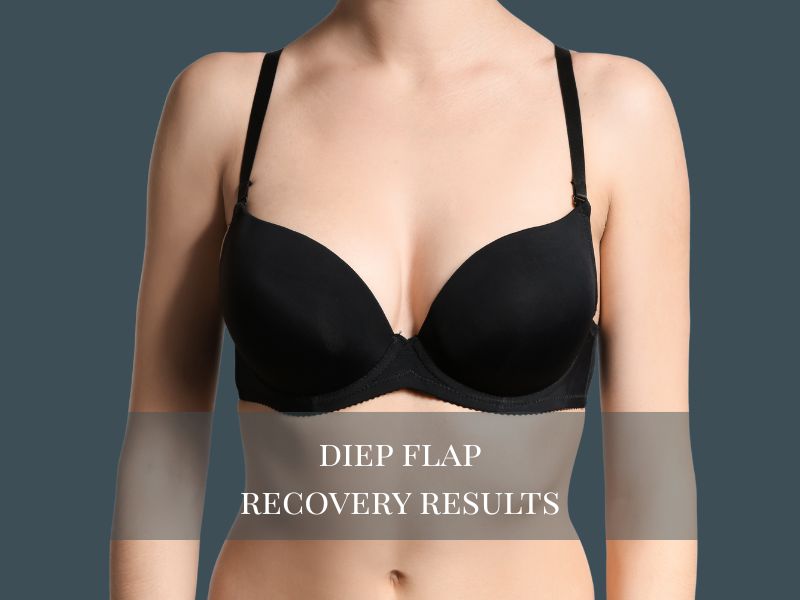
One of the main reasons patients choose diep breast reconstruction is the long-term outcome.
Because it uses own tissue, the breast tends to feel more natural and changes with your body over time. There’s no need for implant replacement, which is often a concern with implants.
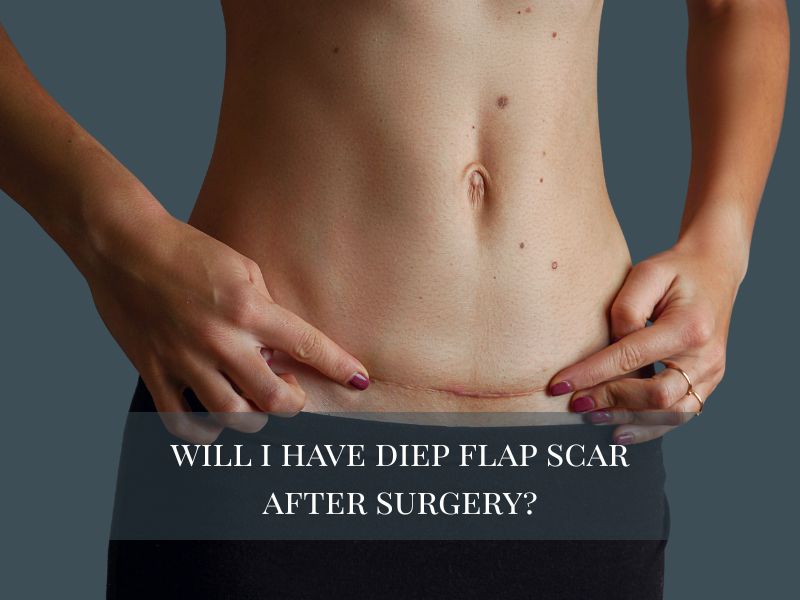
The abdominal area may also appear more contoured after the procedure, though scars are part of the tradeoff. These usually fade, but they don’t disappear completely.
Emotionally, this phase can take longer than expected. Adjusting to changes after breast cancer and reconstruction options isn’t just physical, it’s deeply personal.
FAQ: Diep Flap Surgery Recovery
What is diep flap phase 2 recovery?
Phase 2 refers to follow-up procedures after the initial diep flap reconstruction, like fat grafting or nipple reconstruction. These are typically less invasive, but they still require some post operative care. Recovery is shorter, though you’ll still need to plan for downtime.
How long does diep flap recovery take overall?
Most patients feel a big improvement by 6–8 weeks, but full diep recovery can take several months. Internally, your body is still healing well after you feel “normal” again. It’s a gradual process, not a single finish line.
Is diep flap recovery more difficult than implants?
In the beginning, yes, it can feel more involved because of the added abdominal surgery. But over time, many patients prefer it due to fewer long-term concerns compared to implant reconstruction. It really depends on your priorities and overall health.
When can I exercise after diep flap surgery?
Light walking starts early, sometimes within days. Structured exercise usually waits until at least 6–8 weeks, depending on your progress. Working with a physical therapist can help you rebuild safely.
Will my reconstructed breast feel natural?
For many diep patients, yes. Since the procedure uses your own tissue, the result often feels softer and more natural than implants. Sensation varies, though, and doesn’t always fully return.
Book Your Breast Reconstruction Consultation Today
Every Diep Flap Breast Reconstruction journey is different. Some patients are ideal candidates right away, while others may need to explore timing, prior treatments, or additional preparation. A detailed consultation helps map out the right approach for you.
Book your appointment today with Aesthera Plastic Surgery in Atlanta and get clear answers about your options, recovery timeline, and expected results.