Getting to 6 months after DIEP flap recovery often feels like a turning point. The early phase, hospital stays, managing surgical drains, figuring out your pain level, is mostly behind you. But this stage brings a different kind of awareness. You start noticing details, how things look, how they feel, and what still seems to be changing. This is often when follow-up discussions with a DIEP flap expert Dr. CV Chegireddy focus more on fine-tuning results and understanding what to expect next.
After diep flap surgery, recovery doesn’t suddenly stop at a specific date. Even now, your body is still adapting to this form of breast reconstruction surgery, especially since it involves transferring your own tissue and reconnecting blood vessels.
What Happens 6 Months After DIEP Flap
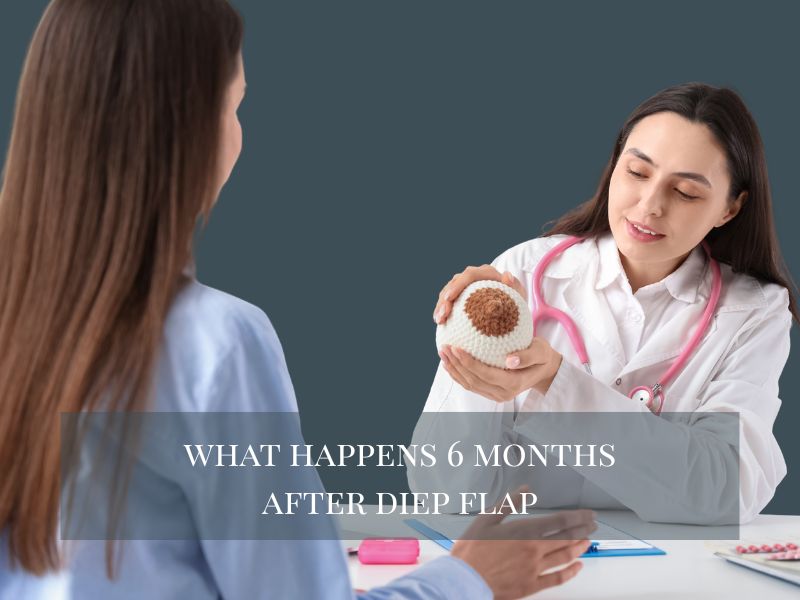
Around this time, most patients feel a clear shift compared to the first few weeks of recovery. Daily life becomes easier, movements feel less restricted, but it’s not a “done” feeling either.
The reconstructed breasts, whether it was one or both breasts, usually start to feel softer and more natural. This is one of the advantages of diep flap breast reconstruction, since it uses abdominal tissue instead of a breast implant or implant based reconstruction. That said, some firmness or mild swelling can still be there, especially toward the end of the day.
Inside the body, healing is more gradual than it seems. The blood vessels that were carefully connected during the diep flap procedure continue to strengthen. Good blood flow is essential here, and by six months things are typically stable, but still evolving.
If you had immediate reconstruction or immediate diep flap reconstruction after a double mastectomy, this phase can also feel more emotional than expected. The physical recovery slows down, which sometimes leaves more space to process the experience and changes in body image.
Physical Changes to Expect at 6 Months
Physically, most patients describe this stage as “almost normal”, but not quite. The chest looks more settled, and the breast skin adapts better to the new shape. Still, small differences in size or contour can become more noticeable as swelling fades.
For patients who went through radiation therapy, the tissue may feel tighter or less flexible. Healing can take longer in those cases, and that’s part of why no two outcomes look exactly the same. Your baseline health, prior abdominal surgeries, and even family history can influence how your body responds.
The abdominal area is often where people still feel something. Since the diep flap procedure uses abdominal fat from the lower abdomen, it can leave a flatter contour, similar to a tummy tuck. But tightness, or even a slight abdominal bulge, isn’t unusual, especially if core strength hasn’t fully come back.
Patients with pre-existing scar tissue from prior procedures may notice a slower recovery in this area. In some cases, this is something the surgeon considers early on when evaluating diep flap eligibility.
Sensation is a bit unpredictable. Some patients regain partial feeling over time, especially if nerve connections were preserved during the flap reconstruction, but it’s not something that can be guaranteed.
Scars and Incision Healing Progress
How scars typically look at 6 months
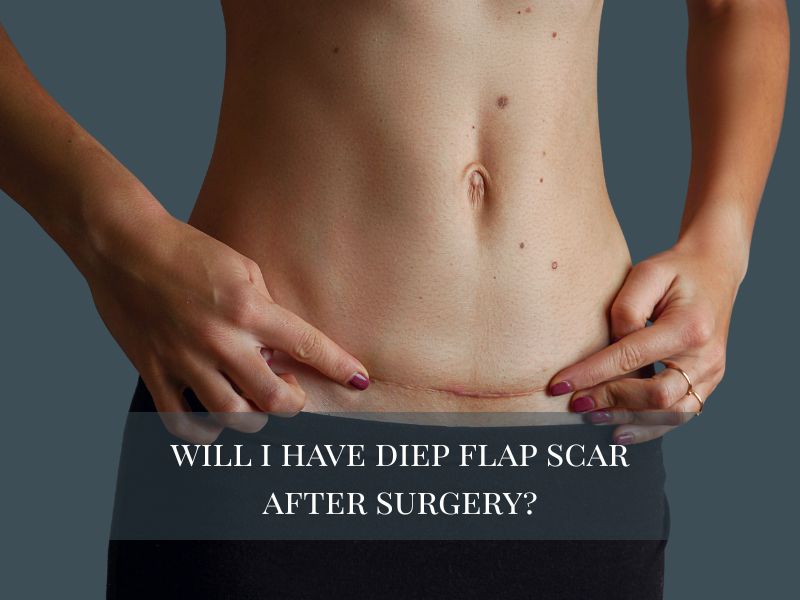
At six months, scars are still in the middle of their healing timeline. The abdominal incision typically forms a long abdominal scar across the hips. It may still look pink or slightly raised, which can be surprising if you expected it to fade faster.
On the chest, scars vary depending on how the breast reconstruction was performed. Whether it was part of immediate reconstruction or a delayed reconstruction, the general pattern is gradual softening and lightening over time.
Some patients notice their scars staying darker or thicker for longer. This can happen if there were issues like delayed wound healing, or simply due to how their skin heals.
What you can do to improve scar appearance
At this point, scar care still matters. Silicone sheets, gentle massage, and keeping scars out of the sun are small habits that can make a difference over time.
If certain areas feel firm or raised, your plastic surgeon might suggest treatments as part of your ongoing treatment plan. It’s not always necessary, but it’s something your medical team may bring up during follow-ups.
Activity Level and Exercise at 6 Months
Most patients are back to regular routines by now, including work and basic workouts. But there’s still a need to ease into things rather than jump straight back to full intensity.
If recovery included issues like blood clots, prolonged use of surgical drains, or other surgical complications, the timeline may feel slower. That’s normal, healing after a major surgery like this isn’t identical for everyone.
Reintroducing exercise often starts with light weights and controlled movements. Some patients work with a physical therapist to rebuild strength, especially in the core area affected by the procedure. Even though the abdominal muscle is preserved, it still needs time to function normally again.
Staying active also plays a role in recovery itself. Movement helps prevent blood clots and supports circulation, which is key for tissue health. But if something feels off, pulling, swelling, or sharp discomfort, it’s usually a sign to slow things down.
Results Timeline: Are Final Results Visible Yet?
At 6 months after diep flap, results are close to what you’ll keep long term, but not completely final. There’s still some internal settling happening, even if it’s subtle.
The shape of the reconstructed breasts becomes clearer, and most of the swelling is gone. But small refinements can continue, especially as the transferred abdominal tissue fully adapts to its new location.
Patients who had delayed reconstruction, particularly after breast cancer treatments like lymph node dissection or radiation, may notice a slightly longer timeline. Healing can be more gradual in those situations.
For some, this is also when minor asymmetries become more noticeable. That doesn’t always mean something is wrong, it’s often just part of how the body settles after autologous procedures.
Common Concerns at 6 Months Post-Op
Even when everything is progressing well, small concerns tend to show up around this stage. One of the more common ones is firmness in certain areas of the breast. Sometimes, this is related to fat necrosis, where small pockets of fat don’t get enough blood flow.
The abdomen can also feel tight, especially after activity. Even though the abdominal muscle is preserved, the area has gone through significant change, and that can take time to fully normalize.
Visually, differences between sides can stand out more now. For example, if reconstruction was done on the left side only, the contrast may feel more noticeable once swelling goes down.
Late possible complications are rare, but they can happen. Persistent swelling, unusual pain, or changes in color around the surgical sites should be checked by your care team or surgeon.
Follow-Up Care and Next Steps
Typical follow-up appointments
Follow-up visits are less frequent at this point, but they still matter. Your surgical team will check how both the chest and abdomen are healing and make sure the flap remains healthy.
These appointments are also a good time to revisit your treatment plan. Questions about sensation, activity, or long-term expectations often come up here. Your medical team may also look at how the breast skin is adapting and whether any adjustments are worth considering.
Revision procedures or fat grafting considerations
Not everyone needs additional procedures, but some patients choose to refine their results. Fat grafting is one of the more common options, helping improve contour or symmetry using your own fat.
Other adjustments, like nipple reconstruction or minor reshaping of the chest wall, may also come up. These are typically done as a separate surgery, once the initial healing has stabilized.
Coverage depends on your insurance company, but many revision procedures related to breast reconstruction surgery are included when medically appropriate.
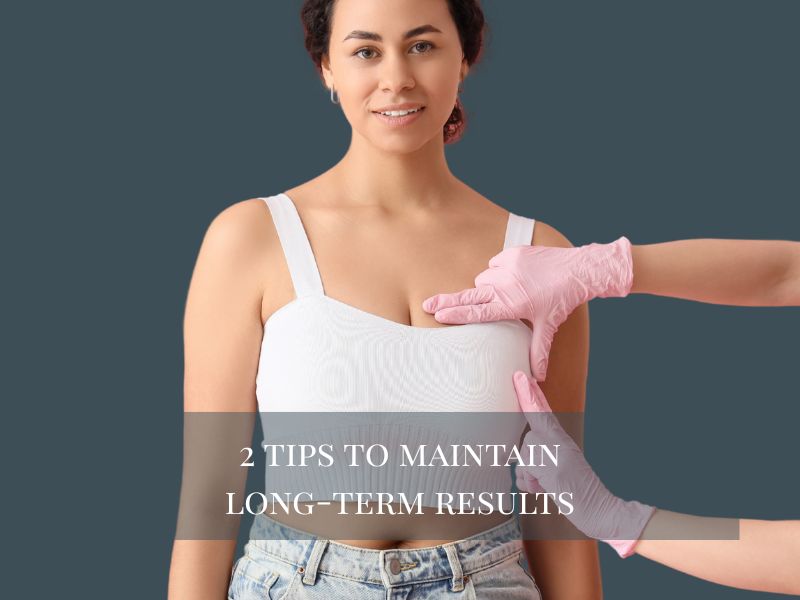
2 Tips to Maintain Long-Term Results
1. Lifestyle habits that support healing
Long-term results after diep flap breast reconstruction are closely tied to daily habits. Since the reconstruction uses your own tissue, weight stability plays a big role in maintaining shape.
Simple things like consistent proper nutrition, staying hydrated, and avoiding smoking support ongoing wound healing. These habits also help maintain healthy blood supply, which is key for long-term tissue health.
2. Protecting your surgical results over time
Protecting your results doesn’t require anything extreme, but it does mean staying aware. Regular follow-ups with your plastic surgeon can catch small issues early.
Supportive garments, gradual return to more intense workouts, and continued core strengthening can help prevent issues like an abdominal bulge.
There’s also the emotional side. Adjusting to changes in body image can take longer than expected. Some patients benefit from ongoing emotional support, especially after going through breast cancer and reconstruction.
FAQs About DIEP Flap Recovery at 6 Months
Is 6 months after DIEP flap considered fully healed?
Not quite. Most patients feel significantly better by 6 months after diep flap, but healing continues under the surface. Subtle changes in softness, sensation, and shape can still happen over the next several months.
Is it normal to still feel tightness in the abdomen?
Yes, and it can come and go. The area around the abdominal incision often feels tight after activity or long days, even at this stage. With time and gradual strengthening, it usually improves.
Can weight changes affect DIEP flap results?
They can, sometimes more than expected. Because the reconstruction uses your own tissue, weight gain or loss can change the volume of the reconstructed breast, just like natural tissue would.
Do all patients need revision surgery?
No, many don’t. Some patients are happy with their results after the initial diep flap reconstruction, while others choose small refinements like fat grafting. It’s very individual and often discussed during follow-ups.
How does DIEP flap compare to implant reconstruction long term?
Compared to implant reconstruction, diep flap results tend to feel more natural over time and don’t require replacement. Still, the right option depends on your anatomy, goals, and overall treatment plan.
What is breast reconstruction recovery time?
Breast reconstruction recovery time typically ranges from 4 to 6 weeks for initial healing and return to light activities, while more complex procedures like DIEP flap may take 6 to 8 weeks or longer due to healing in multiple areas; full recovery and final results can take several months to a year.
Considering Breast Reconstruction with the DIEP Flap Technique?
Choosing breast reconstruction diep flap technique is a very personal decision, and timing matters just as much as the procedure itself. At Aesthera Plastic Surgery in Atlanta, your care team takes the time to evaluate your goals, medical history, and diep flap eligibility to create a plan that feels right for you. From your first consultation, everything is centered around safety, long-term results, and helping you feel confident in your decision.
If you’re thinking about your next step, this is the right moment to move forward. Schedule your consultation today to explore your options and see if this approach aligns with your treatment plan.