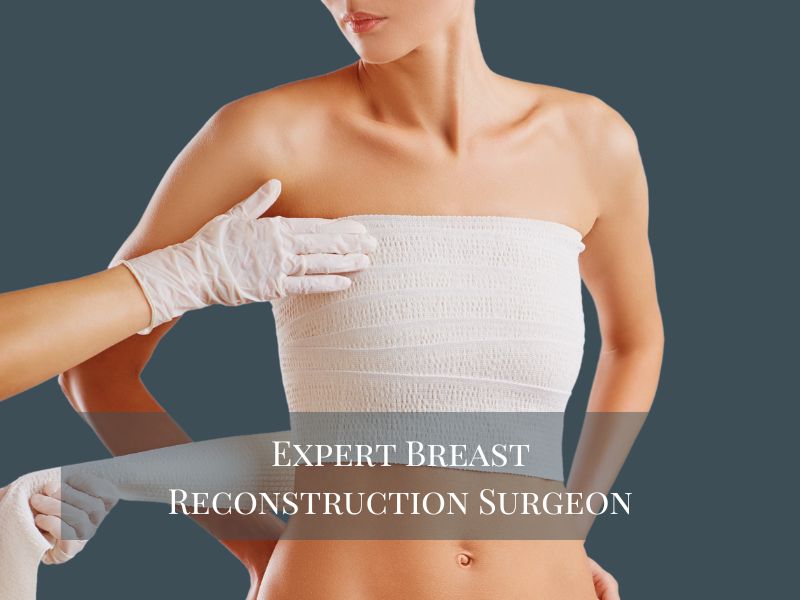
Choosing a highly skilled breast reconstruction surgeon is a crucial step for anyone considering rebuilding the breast after breast cancer. At Aesthera Plastic Surgery, board-certified surgeon Dr. CV Chegireddy combines advanced expertise in plastic and reconstructive surgery with a compassionate, patient-focused approach to help restore not only your breast’s appearance but also your confidence and comfort.
Breast reconstruction helps many women regain a sense of wholeness after breast cancer treatment, mastectomy, or lumpectomy. Whether reconstruction is performed with breast implants or your own tissue, the goal is to create a natural-looking result that supports a positive body image and long-term well-being.
What is Breast Reconstruction Surgery
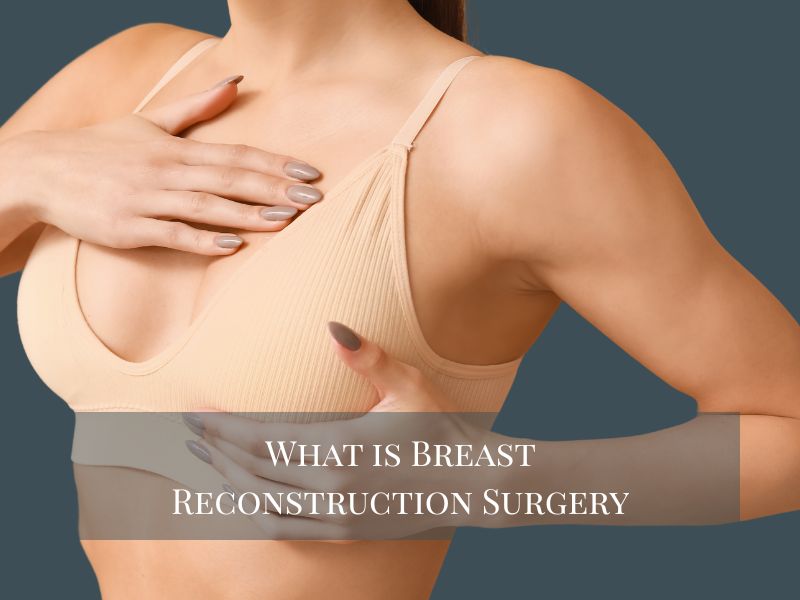
Breast reconstruction surgery involves recreating the shape of the breast after cancer surgery. It can be performed immediately following a mastectomy (immediate reconstruction) or delayed until after other treatments such as chemotherapy or radiation therapy.
There are several breast reconstruction procedures, and each approach varies based on medical history, breast tissue condition, and patient goals. Your breast reconstruction surgeon will help determine which method best fits your needs.
Main Reconstruction Techniques
- Implant Reconstruction
This method uses breast implants filled with either saline or silicone gel. A tissue expander is often placed first to stretch the breast skin before the final implant is inserted. Implant-based reconstruction typically has a shorter initial recovery time and doesn’t require tissue removal from another part of the body. - Autologous Breast Reconstruction
In this method, the surgeon uses tissue from your own body, such as from the lower abdomen, back, or thighs, to create a new breast mound. Because it uses autologous tissue, the reconstructed breasts often feel and look more natural. - Flap and Free Flap Reconstruction
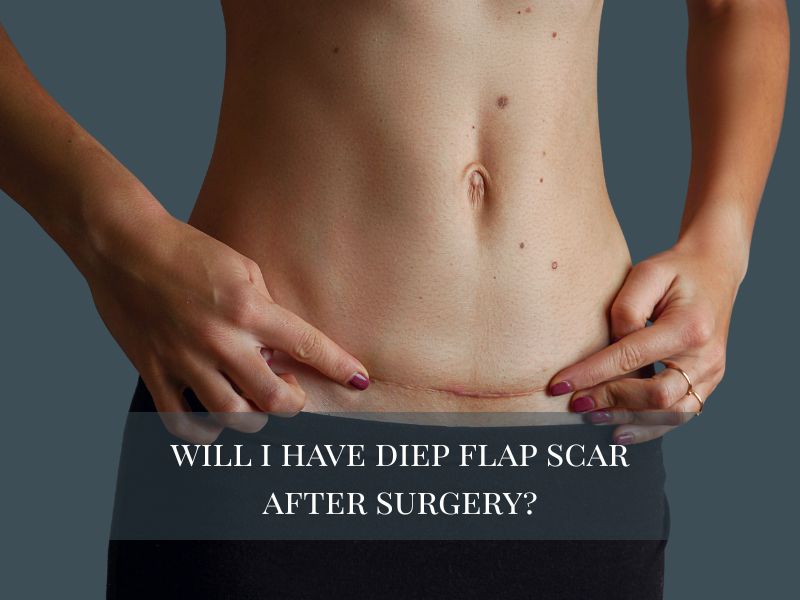
Flap breast reconstruction involves moving skin, fat, and sometimes muscle from one part of the body to another. Free flap reconstruction (like the DIEP flap breast reconstruction) transfers tissue along with its blood vessels, which are reconnected using microsurgery. This advanced technique spares the abdominal muscle, resulting in a faster recovery and fewer long-term complications.
Breast Reconstruction Options
Each patient’s situation is unique, so breast reconstruction options must be tailored individually.
Implant-Based Reconstruction
This is one of the most common forms of reconstructive breast surgery. It involves placing either saline or silicone breast implants under the skin or muscle. Modern approaches often use an acellular dermal matrix (ADM) to support the implant and improve contour.
Pros:
- Shorter surgery and recovery time
- No additional incisions elsewhere on the bodyCons:
- Implants may need replacement later
- Radiation therapy may increase complications
Autologous (Tissue-Based) Reconstruction
Also known as free flap surgery, this method uses your own skin and fat from the lower abdomen, thighs, or buttocks. A popular type is the DIEP flap reconstruction (deep inferior epigastric perforator flap).
Pros:
- More natural look and feel
- Long-lasting results without implantsCons:
- More complex surgery and longer recovery
- Requires suitable donor tissue and healthy blood supply
Combination Reconstruction
Sometimes, implant reconstruction is combined with autologous tissue to achieve symmetry or accommodate limited tissue. This approach may also help patients undergoing delayed reconstruction after radiation therapy.
Immediate vs. Delayed Reconstruction
- Immediate Reconstruction happens during the same surgery as the mastectomy. It eliminates a second operation and preserves breast skin for better aesthetic outcomes.
- Delayed Reconstruction is performed after other cancer treatment steps are complete. It allows recovery time and may be preferable for patients requiring additional radiation therapy.
Qualifications and Experience
At Aesthera Plastic Surgery, selecting the right breast reconstruction surgeon ensures both your safety and satisfaction, with Dr. CV Chegireddy providing expert care, precision, and personalized treatment at every stage of your journey.
What to Look For
- Board-certified in plastic and reconstructive surgery
- Vast experience with breast reconstruction procedures, including microsurgical breast reconstruction
- Collaboration with a multidisciplinary team in surgical oncology and women’s health
- Proven results in both implant-based and autologous reconstruction
Why It Matters
A qualified surgeon can assess your reconstruction options, anticipate potential challenges with radiation therapy, and tailor your personalized plan. Their experience ensures your patient safety, natural-looking results, and a smooth recovery process.
Patient Safety and Education
Your breast reconstruction surgeon should prioritize your health, safety, and comfort throughout your journey.
Key Safety Elements
- Review your medical history, allergies, medications, and prior surgeries
- Discuss all risks and benefits of breast reconstruction surgery
- Ensure you have a clear understanding of recovery time and follow-up care
- Educate you on how reconstructive surgery may interact with future breast cancer treatment
Surgeons often collaborate with oncologists to align your reconstruction surgery with your cancer treatment plan for optimal timing and results.
Breast Reconstruction Recovery
Recovery time after reconstruction depends on the type of procedure, your overall health, and whether radiation therapy or chemotherapy are part of your treatment plan.
What to Expect
- Implant-based reconstruction: Shorter initial recovery but possible need for future breast reconstruction revision
- Flap or DIEP flap reconstruction recovery: Longer healing period due to donor-site recovery but often more durable results
- Physical therapy may be recommended to restore range of motion and strength in the arms and shoulders
- Follow-up care ensures your surgeon can monitor healing and address concerns promptly
During recovery, maintaining good nutrition, avoiding smoking, and following your surgeon’s guidance all contribute to successful healing.
The Importance of Follow-Up Care
Follow-up care plays an essential role in ensuring long-term success after breast reconstruction surgery.
- Attend all postoperative appointments for monitoring of blood vessels, implants, and breast tissue health
- Report any pain, swelling, or changes in your reconstructed breasts
- Long-term monitoring helps detect rare complications like implant rupture or flap failure
- Ongoing communication with your breast reconstruction surgeon supports continuous healing and aesthetic refinement
Commitment to aftercare allows patients to enjoy durable, natural-looking results that blend seamlessly with their overall health and lifestyle.
Frequently Asked Questions: Breast Reconstruction Surgeon
What does a breast reconstruction surgeon do?
A breast reconstruction surgeon specializes in rebuilding the breast after breast cancer surgery. They perform complex reconstruction procedures, including implant reconstruction, flap breast reconstruction, and nipple reconstruction, helping women regain confidence and balance after mastectomy.
When can reconstruction be performed?
Reconstruction surgery can occur during the same surgery as the mastectomy (immediate reconstruction) or later (delayed reconstruction). The right timing depends on your cancer treatment plan, health status, and whether you’ll need radiation therapy.
How much does breast reconstruction cost?
The cost of breast reconstruction varies based on the type of procedure, surgeon’s expertise, and hospital fees. Advanced options like flap reconstruction may cost more than implant-based methods.
Is breast reconstruction covered by insurance?
In most cases, breast reconstruction is covered by insurance when related to breast cancer treatment or mastectomy. Coverage details depend on your insurance provider and policy.
Are there breast reconstruction before and after photos?
Yes, viewing before and after photos can help you understand potential results and set realistic expectations. These images showcase how reconstruction restores natural shape and balance.
Why is board certification important?
A board-certified plastic surgeon has completed extensive training and meets the highest safety and skill standards. Certification ensures your surgeon is qualified to perform complex plastic and reconstructive surgery, providing the best outcomes for breast cancer patients.
Schedule Your Breast Reconstruction Consultation Today
Take the next step toward restoration and confidence by scheduling your breast reconstruction consultation with Dr. CV Chegireddy at Aesthera Plastic Surgery. Renowned for his precision, compassion, and dedication to women’s health, Dr. Chegireddy will walk you through every option, explain insurance coverage, and design a personalized treatment plan that aligns with your goals and needs.