Trying to understand TRAM Flap vs DIEP Flap usually happens after a mastectomy, when the focus starts shifting toward rebuilding the breast in a way that feels like your own again. This is often where conversations around breast reconstruction at Aesthera Plastic Surgery begin. Both fall under flap breast reconstruction, meaning they use your own natural tissue instead of breast implants, but the way they use the abdominal tissue is where things start to differ.
At first glance, the two can sound almost identical. In reality, the experience can feel quite different depending on your body and priorities. Some techniques are more straightforward, while others rely on more advanced techniques to protect muscle and improve how you feel long term.
What Is DIEP Flap Breast Reconstruction?
DIEP flap breast reconstruction is considered a more advanced form of flap reconstruction. The name comes from the deep inferior epigastric perforator, which are small blood vessels that supply the fat tissue and skin in the abdomen.
With a diep flap procedure, surgeons take only skin and fat, along with the necessary fat and blood vessels, while leaving the abdominal muscle left intact. That tissue is then transferred to the chest and carefully reconnected using microsurgical techniques.
This is often referred to as a muscle sparing approach, and that detail makes a noticeable difference over time. Because the abdominal wall stays largely preserved, many patients keep better abdominal strength after surgery.
A full diep flap reconstruction surgery takes longer and requires a high level of surgical precision. Not every plastic surgeon offers it. Still, for many patients, the benefits of diep include a more natural feel and less long-term impact on the abdomen.
Since diep flap surgery uses your own natural tissue, the result often blends more naturally with the rest of the breast. For patients trying to avoid implants, that can be a deciding factor.
What Is TRAM Flap Breast Reconstruction?
TRAM flap breast reconstruction is one of the more traditional approaches to autologous breast reconstruction, where the new breast mound is created using tissue from your own patient’s body, usually taken from the lower abdomen.
The name transverse rectus abdominis myocutaneous refers to the muscle involved in this surgical procedure. During a tram flap procedure, surgeons transfer a section of skin and fat, along with part of the abdominal muscle, to the chest wall to shape a new breast.
There are a few versions of tram flap surgeries. A pedicled TRAM flap keeps the tissue connected to its original blood supply and moves it up to the chest. A free TRAM flap (or free flap) involves fully detaching the tissue and reconnecting the blood vessels using microsurgical techniques. In free tram flap surgery, less muscle is typically taken compared to the pedicled approach.
This method has been around for a long time, so many plastic surgeons are very comfortable performing it. It can be a solid option when there is enough tissue in the abdomen. Some patients also like that it creates an effect similar to a tummy tuck, since excess abdominal skin is removed during the process.
That said, removing part of the abdominal muscle can lead to abdominal weakness later on. It doesn’t happen to everyone, but it’s something that comes up often when comparing tram and diep flap options.
DIEP Flap vs TRAM Flap: Key Differences
Muscle Removal vs Muscle Preservation
The biggest distinction in diep flap vs tram flap comes down to how the abdominal muscle is handled.
- With a tram flap, part of the muscle is used, which can affect the stability of the abdominal wall.
- A diep flap, on the other hand, keeps the muscle untouched and focuses only on skin fat and blood.
That difference may not seem huge at first, but it tends to matter more as time goes on.
Recovery Time and Healing Process
Recovery doesn’t follow a single path. Even though both are major forms of reconstructive surgery.
- Patients who have a diep flap procedure often find it easier to move around sooner.
- With tram flap procedures, since muscle is involved, the body needs more time to adjust. Some patients describe the first couple of weeks as more restrictive. Still, timelines vary. If multiple procedures are combined or if healing is slower, recovery can stretch out.
In general, many patients notice a quicker recovery with DIEP, though the first few days still require close monitoring.
Risk of Complications
Both procedures are considered safe, but the types of risks are slightly different.
- With tram flap breast reconstruction, there’s a higher chance of abdominal weakness or bulging because of the muscle involvement.
- With diep flap reconstruction, that risk is lower, but the surgery itself is more technically demanding.
There’s also the possibility of fat necrosis, where small portions of fat tissue don’t fully survive. This can happen in either approach, and often depends on how well the blood supply adapts after surgery.
Abdominal Strength and Long-Term Effects
Over time, the difference becomes easier to notice.
- After a tram surgery, some patients feel changes in their core strength, especially during physical activity.
- With diep flap reconstruction, the abdominal muscle stays intact, so strength is usually preserved.
For patients who are active or concerned about long-term function, this can carry more weight in the decision.
Scarring and Aesthetic Results
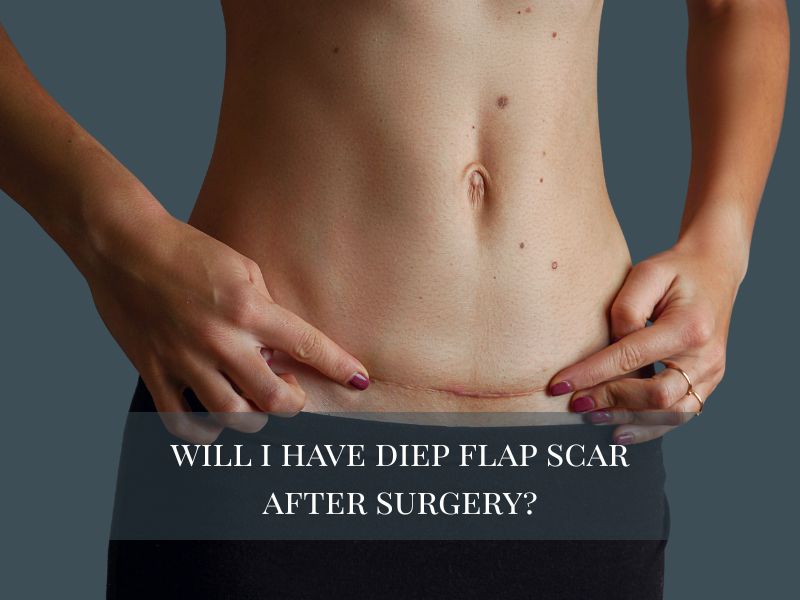
Both options leave a scar along the lower abdomen, similar to a tummy tuck, along with a scar on the breast.
In terms of the new breast mound, both can produce a soft, natural result because they rely on your own tissue. Final appearance depends on healing, skin quality, and surgical technique.
Pros and Cons of TRAM vs DIEP Flap
Advantages of DIEP Flap
The benefits of diep are mostly tied to preservation. Since the muscle is left intact, patients often report less pain, better mobility, and a smoother recovery overall.
It’s also a more refined form of tissue transfer, focusing only on only skin, fat, and blood vessels, while keeping the structure of the abdomen intact.
Disadvantages of DIEP Flap
The main limitation is that it’s not always available. Not every center performs diep flap surgery, and not every patient is a candidate.
It also requires more time in surgery and a higher level of expertise. In some cases, if the original blood supply isn’t adequate, another approach may be recommended.
Advantages of TRAM Flap
One of the main advantages of tram flap surgeries is consistency. It’s a technique that has been performed for many years, and most plastic surgeons are experienced with it. It can also be helpful when the blood vessels needed for DIEP are not suitable.
In some situations, it may also involve slightly less operative complexity than a full diep flap reconstruction surgery.
Disadvantages of TRAM Flap
The main downside is the use of abdominal muscle, which can lead to abdominal weakness or changes in core function. Recovery may also feel more limiting early on.
There is also a slightly increased risk of donor-site issues, especially with pedicled tram techniques.
Which Is Better: TRAM Flap or DIEP Flap?
When DIEP Flap May Be the Better Option
For patients who want to avoid muscle involvement, diep flap breast reconstruction is often the preferred route. It’s particularly relevant for those who are active or want to maintain core stability.
It’s also frequently chosen in immediate reconstruction after a mastectomy, though it can also be done as delayed reconstruction.
When TRAM Flap May Be Recommended
A tram procedure may be suggested when the anatomy of the blood vessels doesn’t support DIEP or when surgical resources are limited. For some patients, especially those less concerned about abdominal strength, this approach still provides reliable reconstruction.
Factors That Influence the Best Choice
There isn’t a single answer that fits everyone. The decision depends on your anatomy, prior surgeries, and how much abdominal tissue is available. In some cases, patients simply don’t have enough usable fat tissue, while in others, the vascular anatomy makes one option safer than the other.
Recovery After TRAM Flap vs DIEP Flap
Recovery tends to happen in stages. The first few days are focused on monitoring the blood supply to ensure the flap reconstruction is stable, especially with free flap techniques.
As the weeks go on, movement becomes easier. Patients who undergo diep flap reconstruction often feel more comfortable using their core earlier, while those recovering from tram surgery may need a bit more time.
Tightness around the belly button, swelling, and fatigue are common early on. Full recovery can take several weeks, sometimes longer depending on the procedure.
Cost Differences Between TRAM Flap and DIEP Flap
Costs can vary quite a bit. Diep flap reconstruction surgery is usually more expensive because it takes longer and requires specialized teams.
Insurance often covers breast reconstruction surgery after mastectomy, but the details depend on your plan. Factors like hospital stay, follow-ups, and whether it’s immediate reconstruction or staged reconstruction can all influence the final surgery cost.
Choosing the Right Surgeon for Flap Reconstruction
The outcome of both tram and diep flap procedures depends heavily on the surgeon’s experience. Not all plastic surgeons perform advanced microsurgical techniques, which are essential for DIEP. It’s worth asking how often they perform free flap surgery, what their complication rates look like, and reviewing real patient results before and after making a decision.
FAQ: Diep vs Tram Flap
TRAM flap vs DIEP flap: which one is better?
There isn’t a universal answer. For many patients, DIEP flap reconstruction is appealing because it preserves the abdominal muscle and tends to feel more natural long term. It can also help maintain core strength. Still, a TRAM flap can be the better option depending on your anatomy, blood supply, and overall surgical plan, especially in cases where microsurgery isn’t ideal or available.
Is DIEP flap safer than TRAM flap?
Both procedures are safe when performed by experienced surgeons. DIEP flap reduces the risk of abdominal weakness and hernia since the muscle is preserved. TRAM flap, on the other hand, may carry slightly higher donor-site risks due to muscle use, particularly in more extensive cases. The safest option ultimately depends on your individual health profile and surgical candidacy.
Does DIEP flap last longer than implants?
Yes, since it uses your own natural tissue, it tends to age with your body. Unlike breast implants, there’s usually no need for replacement over time. This makes DIEP flap a long-term solution for many patients looking for a more permanent and natural-feeling result without ongoing maintenance procedures.
Can everyone get DIEP flap reconstruction?
Not always. Some patients don’t have suitable blood vessels or enough abdominal tissue, which can limit candidacy, especially if they’ve had prior abdominal surgery. In these situations, alternative reconstruction options, including TRAM flap or other flap techniques, may be recommended to achieve the best outcome.
What is recovery like after flap breast reconstruction?
Recovery varies, but most patients need several weeks before returning to normal daily activities. DIEP flap surgery often allows for a more comfortable recovery compared to TRAM flap procedures, particularly when it comes to core movement and abdominal strength. Swelling, fatigue, and limited mobility are common early on, but these gradually improve with proper post-operative care and follow-up.
Schedule Your Breast Reconstruction Consultation
If you’re thinking about breast reconstruction, having the right guidance early on can make everything feel more manageable. At Aesthera Plastic Surgery in Atlanta, each consultation is tailored to your goals, your timeline, and your medical history. You’ll leave with a clearer understanding of what’s possible and what makes sense for you.
Schedule your consultation today and take the next step forward with confidence.